

The Last Frontier of Darkness
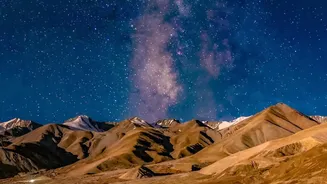
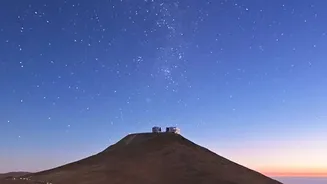
High in the Changthang region of Ladakh, near the Indo-China border, lies the village of Hanle. At an altitude of roughly 4,500 metres (14,700 feet), it’s a place defined by vast, silent valleys and a sky so clear it feels almost infinite. This is not
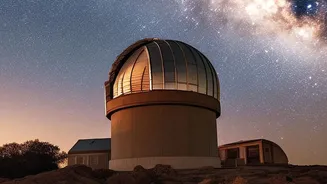
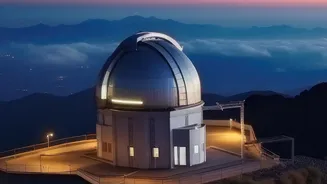
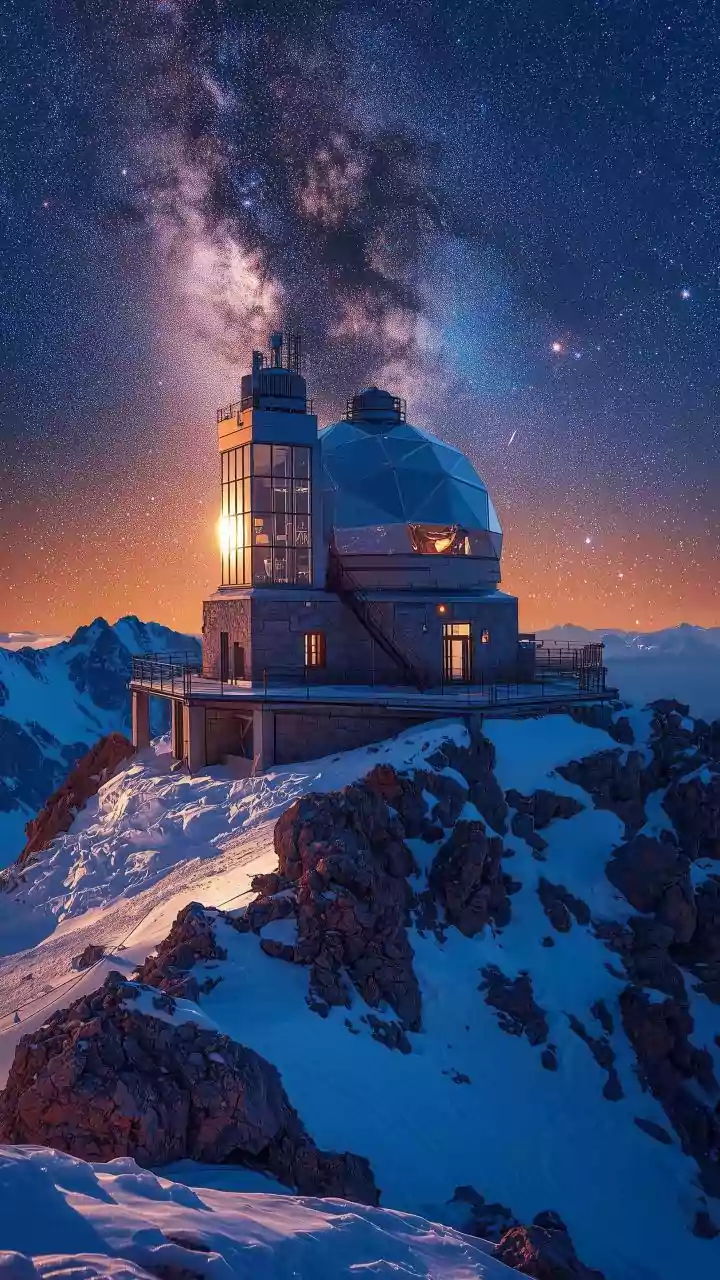
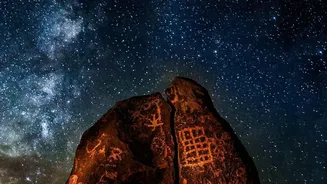
just a scenic spot; it's one of the best places on Earth for astronomy. The high altitude, dry air, and minimal light pollution create near-perfect conditions for observing the universe. It’s no surprise that the Indian Institute of Astrophysics (IIA) operates the Indian Astronomical Observatory (IAO) here, home to some of the world's highest and most powerful telescopes. But this natural treasure is fragile. The encroaching glow of artificial light, a problem plaguing 80% of the planet, threatens to wash away this pristine view.
India’s First Dark Sky Reserve
To protect this celestial haven, a 1,073-square-kilometre area around Hanle has been officially designated as India's first Dark Sky Reserve. A collaboration between the UT Ladakh administration, the Ladakh Autonomous Hill Development Council (LAHDC), and the IIA, the Hanle Dark Sky Reserve (HDSR) is a science-driven conservation project. The goal is twofold: to preserve the pristine skies for scientific research and to foster a new kind of sustainable tourism. Within the reserve, strict guidelines are in place to control light pollution. This involves simple but effective measures, such as using warm-toned bulbs, installing shades on outdoor lights to direct them downwards, and drawing thick curtains at home to prevent light spillage. Even vehicle headlights are to be managed carefully within the reserve's boundaries.
A Network Powered by the Community
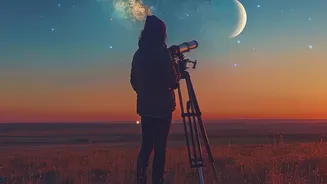
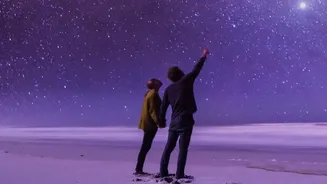
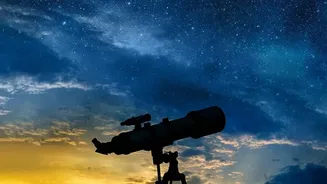
This initiative is more than just rules and regulations; it's a community-powered movement. The “stargazing park network” is, in essence, a decentralized system of local engagement. The IIA has trained dozens of local villagers, turning them into 'Astronomy Ambassadors' and astro-guides. These newly minted guides are equipped with telescopes—over 18 have been distributed to the community—and trained to identify constellations, planets, and other celestial objects for visiting tourists. This approach transforms tourism from a passive experience into an interactive one. Visitors stay in local homestays, where their hosts are not just providing a room, but a guided tour of the cosmos. This model of astro-tourism creates a sustainable source of income, encouraging young people to stay and build livelihoods in their remote home villages.
What Visitors Can Expect
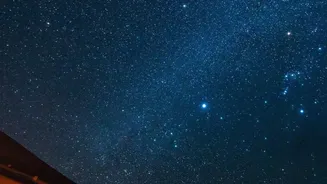
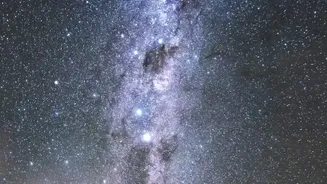
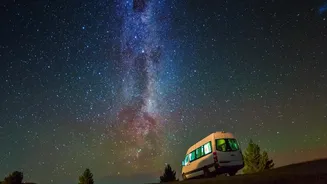
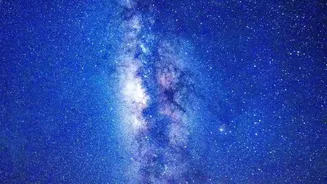
For travellers, a trip to Hanle is a journey to a world forgotten by modern life. On a clear, moonless night, the Milky Way isn't a faint smudge but a brilliant, sprawling river of light stretching from horizon to horizon. Visitors can book stargazing sessions with local ambassadors who bring their telescopes to designated dark spots, offering views of Saturn’s rings, distant galaxies, and glowing nebulae. Planning is key, as Hanle is remote and at a very high altitude, requiring proper acclimatization. Permits are needed for both Indian and foreign travellers due to the region's proximity to the border. The experience demands respect for the local environment and the rules of the reserve: use red-filtered lights to preserve night vision, keep noise to a minimum, and leave no trace. It's a small price to pay for a front-row seat to the universe.