








The Slow Death of the Big Annual Holiday
For years, the standard approach to vacation was to hoard leave days for one big, glorious trip. But in today's fast-paced world, many are finding that this model is broken. The pressure to plan a perfect, lengthy holiday can be stressful, and the benefits
often fade within a week of returning to a mountain of work. This has given rise to the 'micro-vacation' or 'mini-break'—a short, purposeful trip of two to four days, often planned around a long weekend. This trend is rapidly gaining momentum in India, where young professionals and families are ditching the all-or-nothing approach for a more sustainable 'travel snacking' habit. It's a lifestyle shift that acknowledges travel not as a once-a-year luxury, but as a regular necessity for well-being.
More Breaks, Less Burnout: The Science
The appeal of frequent short trips isn't just anecdotal; it's backed by science. Research shows that the positive effects of a vacation, like reduced stress and improved mood, can diminish quickly after returning to a high-pressure environment. Spacing out holidays allows for more regular recovery, effectively preventing the build-up of chronic stress that leads to burnout. Studies indicate that several short breaks can be more effective at sustaining well-being than a single long one. Even the anticipation of an upcoming trip provides a significant mood boost. By having multiple getaways on the horizon, you get to experience this uplifting feeling repeatedly throughout the year, making the journey back to work less daunting and keeping your mental energy consistently higher.
Mastering the 2026-27 Travel Calendar
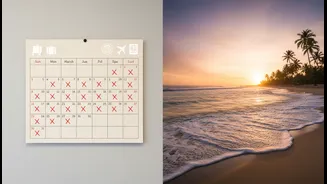
Adopting this new calendar is all about strategic planning. The key is to leverage public holidays by 'clubbing' them with weekends. With a bit of foresight, you can create several mini-vacations without depleting your annual leave. Look at the calendar not for one big slot, but for several small opportunities. For example, in 2026, Republic Day falls on a Monday, giving you a three-day window without taking any leave. Holi on a Tuesday in March could become a five-day break by taking just one or two days off. October is also packed with potential, with Gandhi Jayanti and Dussehra offering chances for four-day weekends with minimal leave. The trick is to identify these opportunities early, book your travel in advance to avoid high prices, and turn these bonus days into genuine escapes.
Weekend Wonder: Where to Go?
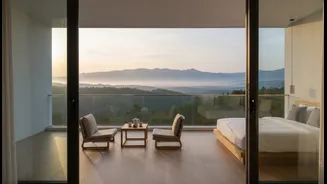
The beauty of a micro-vacation lies in its accessibility. The goal isn't to cross continents, but to find a refreshing change of scenery that's just a short drive or flight away. For those in North India, destinations like Rishikesh, Kasauli, Neemrana, or Mussoorie offer a quick escape to the mountains or a dip into heritage. From Mumbai or Pune, the misty hills of Lonavala and Mahabaleshwar or the coastal town of Alibaug are popular choices. Similarly, residents of Bengaluru and Chennai can easily explore the French charm of Pondicherry, the cool hills of Coorg and Ooty, or the ancient ruins of Hampi over a long weekend. The rise of spiritual tourism also puts cities like Varanasi, Tirupati, and Ayodhya firmly on the micro-holiday map. Even a 'staycation' in a luxury hotel within your own city can serve as a powerful mental reset.
Travel Smarter, Not Harder
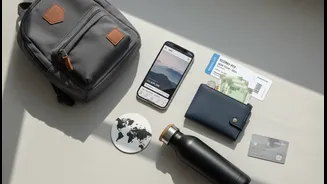
Making short trips a regular habit requires a shift in mindset. Learn to pack light and efficiently; a carry-on should be sufficient for a three or four-day trip. Embrace a more spontaneous approach. While booking transport and accommodation in advance is wise for peak weekends, don't over-schedule your itinerary. The goal of a micro-vacation is to relax and recharge, not to tick off a long list of sights. Focus on quality experiences over quantity. This could mean a wellness retreat, a food trail, or simply reading a book by a lake. By keeping the planning simple and the expectations relaxed, you reduce travel-related stress and maximise the restorative benefits of your time away.