




1. Watermelon Rind Sabzi
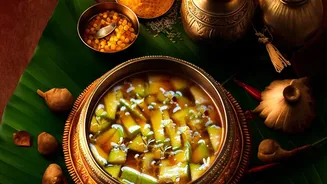
That thick white part of the watermelon rind, often discarded, is the star of this dish, especially popular in Gujarat and Rajasthan. The rind has a crisp, cucumber-like texture and readily absorbs the flavours of spices. It's chopped into bite-sized
pieces and cooked into a tangy and spicy sabzi with ingredients like cumin, turmeric, and dried mango powder (amchur), turning potential waste into a flavourful curry.
2. Banana Peel Thoran/Sabzi
In states like Kerala and Bihar, the peels of raw bananas are not thrown away but are used to create delicious dishes. For a Keralan 'Thoran', the peels are finely chopped and stir-fried with grated coconut, mustard seeds, and green chillies. In other variations, the boiled and chopped peels are cooked with spices to create a tangy sabzi that boasts a unique, slightly chewy texture and is rich in nutrients.
3. Ridge Gourd Peel Chutney (Peerkangai Thol Thogayal)
A staple in South Indian homes, particularly in Tamil Nadu, this chutney, or 'thogayal', gives a second life to the fibrous peels of the ridge gourd. The peels are roasted until they wilt and take on a smoky flavour, then ground with lentils, red chillies, tamarind, and coconut. The result is a coarse, flavour-packed condiment that pairs perfectly with hot rice and ghee, showcasing true resourcefulness.
4. Cauliflower Stem Chorchori
Bengali cuisine is renowned for its 'nose-to-tail' approach to vegetables, and 'Phulkopir Dantar Chorchori' is a prime example. The often-discarded stalks and leaves of the cauliflower are the hero ingredients. They are thinly sliced and cooked with other vegetables like potatoes and brinjal, and flavoured with 'panch phoron' (a five-spice blend) and mustard paste to create a complex, delicious, and highly nutritious mixed vegetable dish.
5. Jackfruit Seed Curry (Palakottai Poriyal)
After savouring the sweet jackfruit, the seeds are often set aside. In South India, these seeds, known as 'Palakottai', are treasured. They are boiled, peeled, and cooked into a dry curry (poriyal) or added to sambar. The seeds have a nutty flavour and a texture similar to chestnuts. A simple poriyal involves cooking the boiled seeds with mustard seeds, coconut, and spices, making for a hearty and protein-rich side dish.
6. Bottle Gourd Peel Sabzi (Lauki Chilke ki Sabzi)
The humble lauki, or bottle gourd, is used extensively in Indian cooking, and its peel is just as valuable. In various regions, including Bengal and Punjab, the peels are transformed into stir-fries, chutneys, or even added to raita. A simple Bengali 'Chechki' involves stir-frying the finely sliced peels with mustard seeds and green chillies, proving that even the thinnest skin holds immense culinary potential.
7. Mango Seed Curry (Gotli nu Shaak)
A unique and seasonal Gujarati delicacy, this curry is made from the 'gotli' or mango seed stone, after the pulp has been consumed. The stones, with some flesh still attached, are cooked in a sweet, sour, and spicy gravy thickened with chickpea flour (besan). This dish is a celebration of the mango season, ensuring that absolutely no part of the precious fruit goes to waste and creating a truly memorable flavour experience.
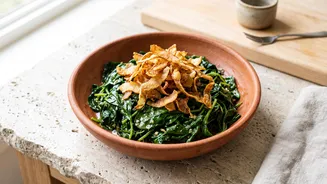
8. Radish Greens Sabzi (Mooli ke Patte ki Sabzi)
Often, the leafy tops of radishes are trimmed and discarded before the root makes it to the kitchen. In regions like Punjab, these peppery and nutrient-rich greens are the main ingredient of a delicious sabzi. The leaves are washed, chopped, and stir-fried with simple spices like cumin, turmeric, and green chillies, creating a flavourful and healthy dish that complements any meal of dal and roti.