






Why Floodwater is So Dangerous
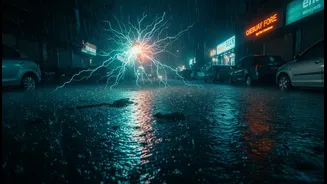
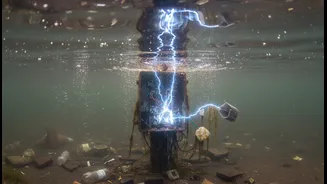
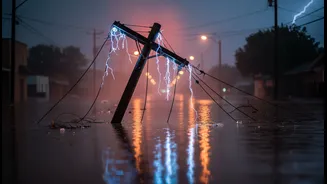
Pure water is a poor conductor of electricity, but the water that floods our streets is far from pure. It's a conductive soup mixed with dirt, sewage, salts, and minerals. When a source of electricity—like a fallen power line, a damaged underground cable,
or a submerged electrical junction box—comes into contact with this water, the entire flooded area can become energized. The current doesn't stay confined to the source; it spreads outwards, turning a seemingly harmless puddle into a lethal trap. An individual doesn't need to directly touch a wire to be electrocuted; simply standing in the energized water can be fatal.
Hidden Sources of Live Current
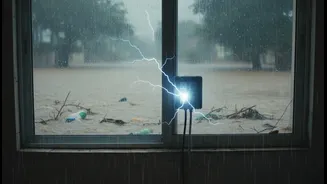
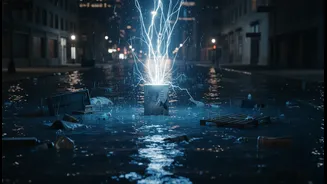
The danger often comes from sources you cannot see beneath the murky water. Common culprits include downed power lines, which may be completely submerged. Other hazards are part of our everyday urban infrastructure: faulty streetlight poles, underground electrical faults, and junction boxes that are not properly sealed. In residential areas, external power meters, household wiring, and even inverters can become sources of fatal electric shock if compromised by floodwater. This is a widespread issue in many Indian cities, where ageing infrastructure and exposed wiring are common, making monsoon rains particularly perilous.
Safety Rules for Navigating Flooded Areas
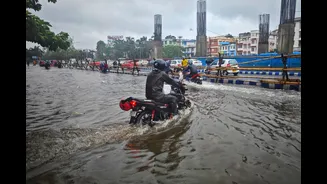
The most important rule is to avoid entering floodwater whenever possible. Treat every patch of standing water as potentially live. If you must move through a waterlogged area, be extremely cautious. Stay away from power lines, utility poles, and any visible electrical installations. Even a small amount of moving water can knock you off your feet, and you don't know what hazards lie beneath the surface. Never attempt to drive through flooded roads; just six inches of water can cause a vehicle to lose control and stall, potentially being swept into an unseen electrical hazard. If you see sparks, hear buzzing noises, or feel a tingling sensation, move away immediately by shuffling with small steps, keeping your feet close together on the ground.
Protecting Your Home and Family
If flooding is imminent, and it is safe to do so, turn off your home's main power at the circuit breaker. Do this only if you can access the panel without standing in water. If your basement or ground floor is already flooding and water levels are approaching electrical outlets, do not enter the area. Instead, call your local electricity board and ask them to disconnect the power at the meter. Unplug all appliances and, if possible, move them to higher ground. Any electrical device that has come into contact with water should be inspected by a qualified professional before being used again. After a flood, do not turn the power back on yourself; have a licensed electrician certify that the system is safe.
What to Do in an Emergency
If you see someone who you suspect has received an electric shock in a flooded area, do not rush in to help. Entering the same body of water could make you the next victim. The first and most critical step is to call for emergency services and your local electricity provider immediately. Inform them of a potential electrical hazard in the water. Do not attempt to move a downed power line or anyone in contact with it using any object, even something non-conductive like a wooden stick, as wet materials can still conduct electricity. Your safety, and the safety of others, depends on keeping a safe distance and letting trained professionals handle the situation.