





What is Cool-Roof Paint?
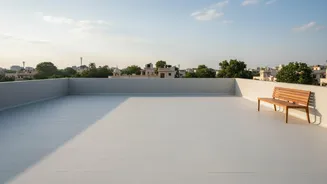
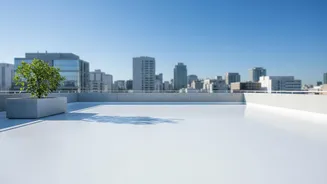
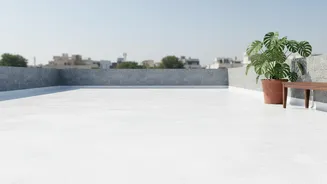
At first glance, it might look like a simple coat of white paint, but cool-roof technology is far more advanced. Unlike regular decorative paints, these are specialised coatings engineered with high solar reflectance and thermal emittance. In simple terms,
they are designed to do two jobs exceptionally well: first, to reflect a significant portion of the sun's radiation back into the atmosphere, and second, to efficiently release the small amount of heat that does get absorbed. This is a significant upgrade from traditional dark-coloured roofs, which can absorb up to 90% of solar energy, turning top floors into ovens during the day. The paint contains special pigments, sometimes including ceramic microspheres, that act as a barrier to heat.
The Science of a Cooler Home
The effectiveness of these paints is measured by their Solar Reflectance Index (SRI), a score that combines both solar reflectance and thermal emittance. A standard black surface has an SRI of 0, while a standard white surface is 100. High-performance cool-roof paints can even score above 100. For the hot Indian climate, experts recommend choosing a paint with an SRI of 75 or higher for the best results. By preventing the roof slab from absorbing intense solar heat, the paint stops that heat from transferring downwards into your home. This process can reduce the roof's surface temperature by a staggering 20–30°C. This dramatic drop on the outside translates to a much more pleasant environment on the inside.
A Four-Degree Drop: The Reality
The headline claim of a four-degree drop in indoor temperature is achievable, though it depends on various factors. Many studies and manufacturers report indoor temperature reductions ranging from 2°C to 7°C. The actual cooling effect you experience will depend on your home's location, the quality of insulation, the specific paint used, and the existing roof material. A top-floor apartment with a concrete roof directly exposed to the sun will see more dramatic benefits than a ground-floor unit. While a four-degree drop is a strong possibility, it's more helpful to think of it as a significant, noticeable improvement in overall comfort rather than a guaranteed number.
Benefits Beyond Comfort
The advantages of a cooler home extend beyond just feeling more comfortable. The most immediate benefit for your wallet is a reduction in energy costs. With less reliance on air conditioning, you can expect to see a 15-30% drop in cooling-related electricity bills. This makes the initial investment in the paint pay for itself over a few years. Furthermore, these coatings protect your roof from harsh UV radiation and reduce the stress of thermal expansion and contraction, which can cause cracks and damage over time. By extending the life of your roof, you save on long-term maintenance costs. On a larger scale, widespread adoption of cool roofs helps combat the urban heat island effect, where cities become much hotter than surrounding rural areas.
What to Consider Before You Paint
Before committing, it's important to have realistic expectations. The cost of cool-roof paint in India can range from ₹1,500 to ₹3,500 for a 20-litre bucket, depending on the brand and quality. While it's more expensive upfront than regular paint, the energy savings provide a return on investment. Proper application is key; the surface must be thoroughly cleaned and prepared for the paint to adhere properly and perform effectively. The paint's effectiveness can also diminish over time as dust and dirt accumulate, so periodic cleaning may be necessary to maintain high reflectivity. Finally, while many brands are available, it is crucial to check for a high SRI value on the product label to ensure you're getting a true heat-reflective product.