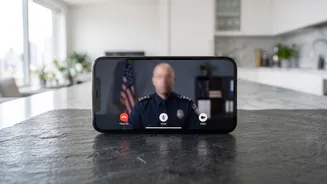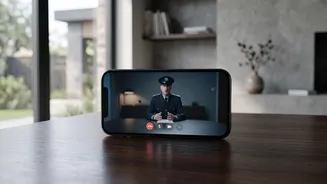







Imagine being told you are under arrest by a CBI officer, but the jail cell is your own home and the guard is your phone. This is the reality of 'digital arrest' scams, a terrifying fraud that holds victims captive on video calls for hours.
What is a 'Digital Arrest'?
A 'digital
arrest' is an elaborate online scam where fraudsters impersonate law enforcement officials to extort money. There is no such thing as a digital arrest under Indian law; it is a term invented by criminals to create panic. They accuse victims of being involved in serious crimes like money laundering or drug trafficking. The goal is to frighten the target so much that they will do anything to clear their name, including transferring huge sums of money. These criminals pose as officers from the CBI, Enforcement Directorate, Narcotics Control Bureau, or local police, using fake IDs and uniforms to appear legitimate.
The Initial Hook and Escalation
The scam often begins with an innocuous-seeming call from someone claiming to be from a courier company or a telecom operator. They might allege that a parcel sent in your name contains illegal items, or that your mobile number has been linked to criminal activities. The call is then transferred to a senior 'officer' who escalates the situation. They sound official and use unnerving details, often gleaned from previous data leaks, to gain your trust. The 'officer' will present forged documents like an FIR or an arrest warrant with your name on it, making the threat feel frighteningly real. They might even use sophisticated technology, like AI-generated videos or spoofed phone numbers that appear to be from a real government agency.
The Hours-Long Psychological Trap
This is the core of the scam. To maintain control, fraudsters demand that the victim stay on a video call (often on Skype or WhatsApp) for the entire 'investigation'. This tactic, which they call a 'digital arrest', can last for many hours, sometimes even days. The victim is forbidden from speaking to anyone—family, friends, or a lawyer—under the guise of keeping the investigation confidential. This isolation is a powerful psychological tool. It prevents the victim from thinking clearly or seeking outside help that would immediately expose the fraud. Scammers will often demand to see the victim's surroundings via the camera to ensure they are alone, creating a constant state of surveillance and fear.
The Demand for Money
Once the victim is sufficiently terrified and isolated, the demand for money begins. The criminals will claim that the victim's bank accounts need to be audited for links to the crime. They will pressure the victim to transfer their entire life savings to accounts controlled by the fraudsters, promising the money will be returned once their name is cleared. The payment methods demanded are often hard to trace, such as multiple UPI transfers, cryptocurrency, or bank wires to various 'mule' accounts. The sense of urgency and the threat of immediate, real-world arrest a-re so intense that many people comply, losing lakhs or even crores of rupees.
How to Protect Yourself
The most powerful defence against this scam is awareness. Remember, no legitimate law enforcement agency in India will ever conduct an investigation or arrest over a video call. They will never ask you to transfer money to 'verify' your accounts or to avoid legal action. If you receive such a call, the first and only step is to hang up. Do not engage, argue, or provide any personal information. Block the number immediately. Afterward, you can independently verify the claim by contacting the official helpline of the agency they claimed to represent. Never use contact information provided by the potential scammer. Finally, report the incident to the National Cyber Crime Reporting Portal at cybercrime.gov.in or by calling the helpline number 1930.