



From Street Food to Starters
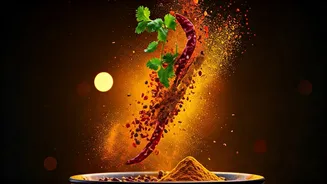
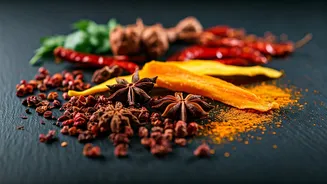
For generations, 'chatpata' has been the undisputed king of Indian street food. It’s the soul of pani puri, the magic in aloo tikki chaat, and the satisfying tang of bhel puri. This complex layering of flavours—often involving tamarind, chaat masala,
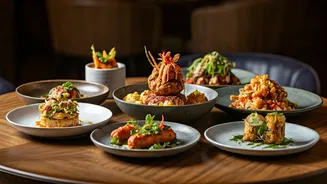
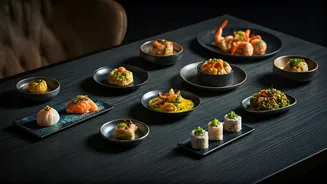
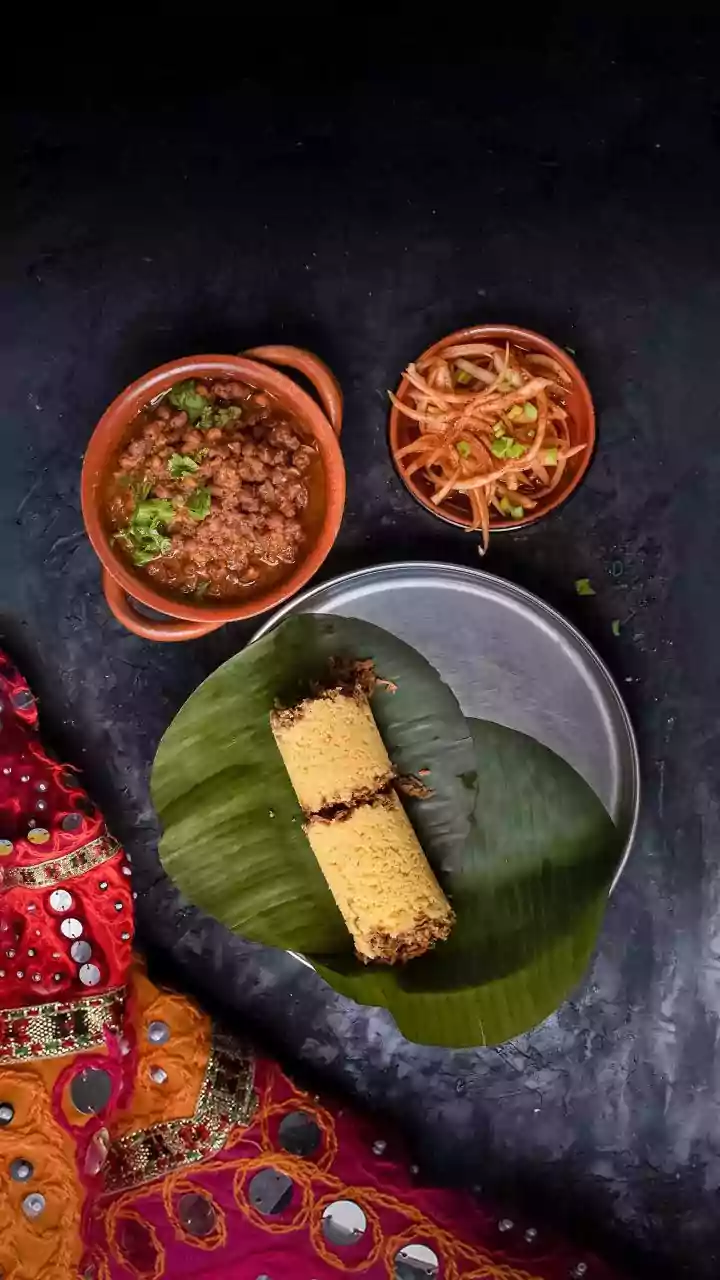
black salt, and lemon—is designed to excite every corner of the palate in a single bite. Food historians and chefs note that this flavour profile is deeply rooted in the country's culinary fabric, a go-to for an instant mood lift. Recognising this deep-seated craving, modern Indian restaurants began elevating these street-style flavours, moving them from carts to curated menus. Early innovations saw 'chatpata' elements in appetizers, like deconstructed chaats or spiced-up kebabs, paving the way for a broader culinary acceptance.
The Main Course Makeover
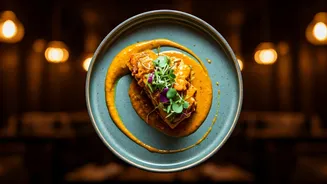
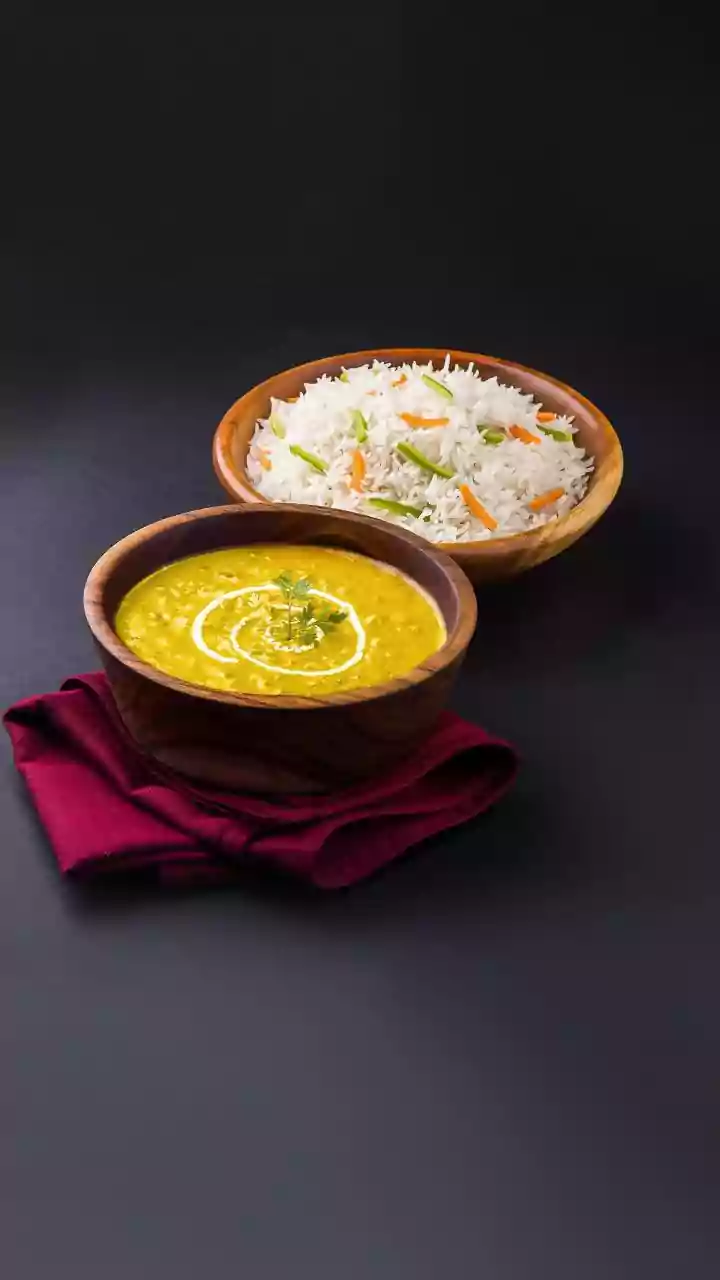
The real revolution, however, is the flavour's migration into the main course. Chefs are now weaving the 'chatpata' DNA into dishes where it was previously unexpected. Imagine a Paneer Chatpata curry, where the gravy itself is a symphony of hot, sweet, spicy, and sour notes, designed to be eaten with naan or rice. Recipes for 'Chatpata Cheesy Tikka' marinate chicken in a bold mix of chaat masala, cumin powder, and green chutney before grilling, proving the flavour can stand up to and enhance proteins. This move signifies a deeper integration, where 'chatpata' is not just a topping or an afterthought but the foundational flavour of a dish. It’s a reflection of a growing confidence in local tastes, with chefs and home cooks alike choosing unapologetically bold Indian profiles over safer, more muted options.
Shaken, Stirred, and Spiced
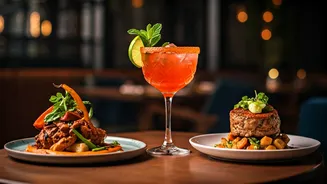
Perhaps the most surprising frontier for the 'chatpata' takeover is the bar. The flavour profile has officially entered India's beverage scene, creating a new category of drinks that are both refreshing and thrilling. Mixologists are crafting 'chatpata' mojitos with tamarind, jaggery, and chaat masala, giving the classic cocktail a distinctly Indian twist. We're also seeing a rise in spiced lemonades (masala shikanji) and creative mocktails that use pomegranate juice infused with chaat masala and ginger. Even global spirits like gin are getting a local tadka, paired with black salt and ginger ale. This trend indicates that the 'chatpata' flavour is now seen as a versatile and sophisticated element, capable of adding complexity and a 'desi' punch to modern drinks.
Why We Crave the Complexity
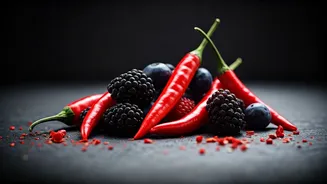
So, what's driving this expansion? The answer lies in psychology and culture. The craving for tangy and spicy food is deeply wired into our brains. The combination of flavours creates a unique sensory experience that our brains register as highly satisfying, triggering the release of pleasure-associated neurotransmitters like dopamine. This 'spicy high' creates a paradoxical pleasure from a sensation that is technically a form of mild pain. Furthermore, these flavours are steeped in nostalgia. For many, the taste of 'chatpata' is linked to cherished memories—childhood, family gatherings, or a favourite street food vendor. As the 2026 Godrej Food Trends Report highlights, consumers are increasingly drawn to bold, layered, and unapologetically piquant flavours that tell a story. In a world of globalised menus, the 'chatpata' trend is a delicious homecoming.