




Hanle, Ladakh: India’s Dark Sky Sanctuary
Officially designated as India's first Dark Sky Reserve, Hanle in Ladakh is arguably the subcontinent's premier destination for celestial viewing. Situated at a dizzying altitude of 4,500 metres, this remote village offers conditions that astronomers
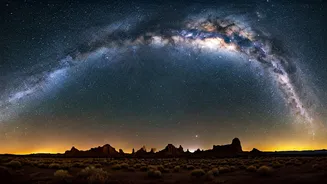
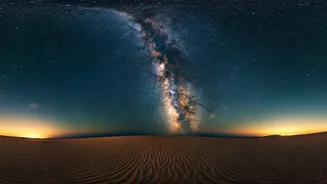
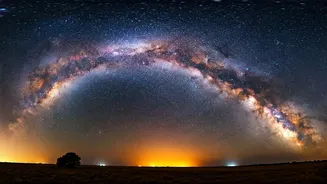
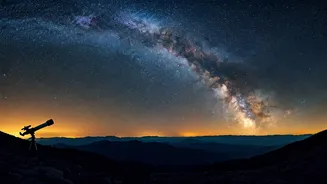
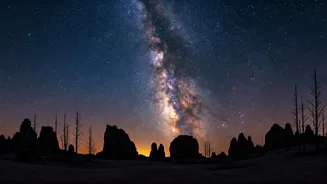
dream of: minimal light pollution, bone-dry air, and an astonishing number of clear nights per year. Home to the Indian Astronomical Observatory, one of the world's highest-sited optical telescopes, Hanle isn't just a place to see stars—it's a place where science happens. For visitors, the experience is profound. The Milky Way isn't a faint smudge here; it's a brilliant, textured river of light that stretches from horizon to horizon. The thin atmosphere makes stars appear sharper and brighter, and meteor showers become a spectacular display. The journey to Hanle is an adventure in itself, but the cosmic reward is unparalleled.
Spiti Valley, Himachal Pradesh: A High-Altitude Haven
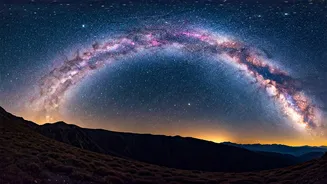
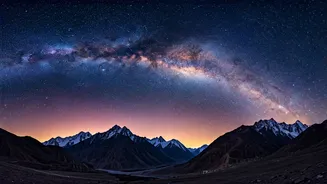
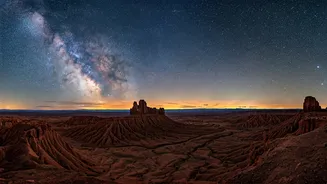
Spiti Valley is a cold desert mountain valley that seems to exist on a different plane. Its stark, lunar landscapes and ancient monasteries are complemented by some of the darkest skies in the country. Villages like Kaza, Kibber, and Komik are so isolated from major urban centres that their night skies are almost completely free of artificial light. Standing here on a moonless night, you feel an intimate connection with the cosmos. The high altitude and minimal atmospheric disturbance mean you can often see the Andromeda Galaxy with the naked eye. Astrophotographers flock to Spiti to capture the Milky Way arching over landmarks like the Key Monastery or Chandratal Lake. This is not a luxury destination; it’s a rugged, raw experience that rewards travellers with profound silence and a star-dusted sky that feels close enough to touch.
Rann of Kutch, Gujarat: Stars Over The Salt Desert
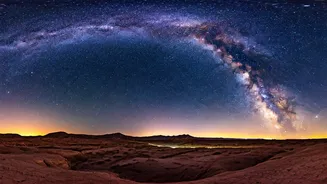
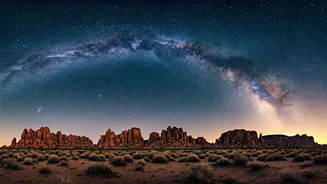
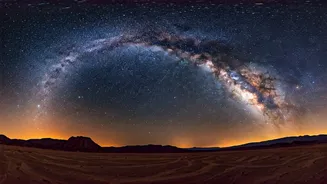
Imagine a vast, flat expanse of white salt stretching to the horizon, and above it, a perfectly clear sky teeming with stars. This is the magical experience that awaits you in the Rann of Kutch. During the winter months, especially from December to February, the weather is clear and the air is crisp, creating excellent stargazing conditions. The unique geography of the salt desert means there are no hills or trees to obstruct your 360-degree view of the celestial sphere. The annual Rann Utsav festival provides a comfortable base with tented accommodation, allowing visitors to venture out into the desert at night. Watching the moon rise over the shimmering salt pans is an unforgettable sight, but it’s the new moon nights that truly reveal the galaxy in all its glory.
Coorg, Karnataka: A Southern Starry Escape
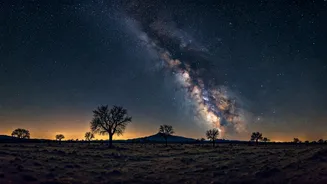
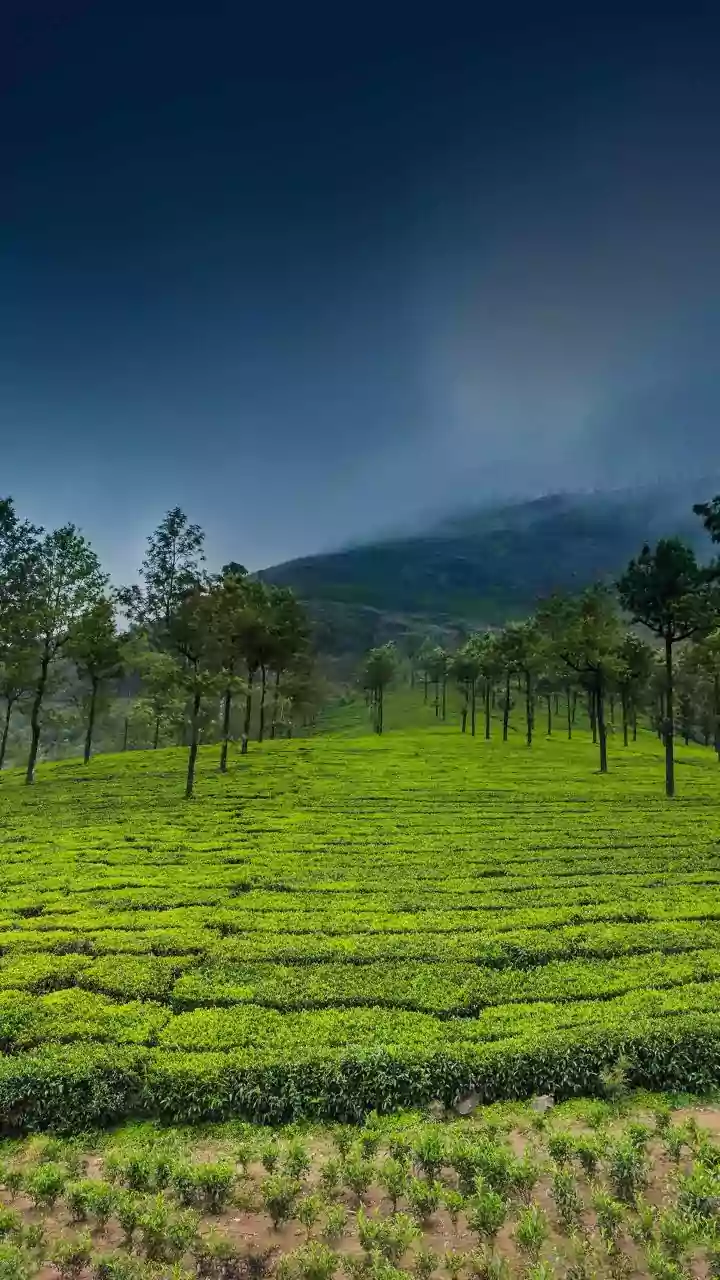
You don't always have to travel to the Himalayas for a great view of the night sky. Nestled in the Western Ghats, Coorg (or Kodagu) offers a more accessible alternative for those in South India. While it may not have the high-altitude advantage of Ladakh, its rolling hills, dense coffee plantations, and distance from major cities like Bengaluru and Mysuru provide pockets of darkness perfect for stargazing. The key is to find a homestay or resort situated away from the main towns of Madikeri or Virajpet. On a clear night, the skies here come alive. The post-monsoon period from October to March is ideal, when the air is clean and the humidity is lower. It’s a perfect weekend getaway where you can combine plantation tours by day with cosmic exploration by night.
Pangong Tso, Ladakh: Reflections of the Cosmos
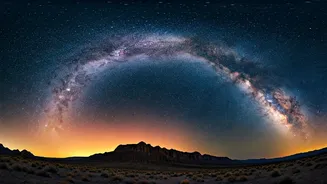
While Hanle is the scientific hub, Pangong Tso offers one of the most aesthetically stunning stargazing experiences in Ladakh. This endorheic lake, famous for its ever-changing shades of blue, becomes a giant mirror for the heavens after sunset. At an altitude of over 4,200 metres, the sky is exceptionally clear. On a calm, moonless night, the reflection of the Milky Way and countless stars on the lake's placid surface creates a surreal, otherworldly scene. It’s a dream location for photographers, who can capture both the celestial arc and its perfect reflection in a single frame. Camping near the lake (in designated areas) allows you to witness this spectacle from dusk till dawn, a truly immersive experience where the boundary between earth and sky seems to dissolve.