







An Exhibition of Numbers
Imagine walking into a space where your favourite masala dosa or a comforting bowl of bisi bele bath is deconstructed into a stark number: its calorie count. This is the premise of a calorie-focused exhibition, a concept gaining traction as public health
bodies seek new ways to educate citizens. Science Gallery Bengaluru has recently launched a year-long exhibition season named 'Calorie' which critically explores our relationship with food, covering everything from nutrition and agriculture to history and food politics. Such initiatives aim to make the invisible visible, translating complex nutritional information into relatable displays. They might feature visual comparisons of portion sizes, interactive guides to reading food labels, and stark displays showing the amount of sugar in popular beverages. The goal is to empower consumers with knowledge, helping them understand what's in their food.
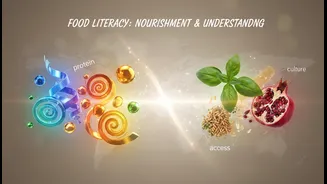
The Promise of Food Literacy
The potential upside is significant. In a country where non-communicable diseases like diabetes and heart conditions are on the rise, improving food literacy is a national priority. Initiatives like the FSSAI’s ‘Eat Right India’ movement are already working to nudge consumers towards healthier choices by encouraging reduced intake of salt, sugar, and fat. An exhibition could serve as a powerful, hands-on extension of this mission. By providing clear, accessible information, it can demystify nutritional labels, which many consumers find confusing or too technical to use. This awareness empowers people to make informed decisions, whether they are buying packaged goods at the supermarket or ordering from a restaurant. For many, understanding the calorie content of their meals can be a useful tool for managing weight and overall health.
The Danger of a Numbers Game
However, the line between awareness and obsession is thin. A heavy focus on calorie counting can be a slippery slope. For some, it can trigger anxiety, stress, and guilt around eating, transforming the joy of food into a stressful mathematical exercise. Health experts warn that this fixation can foster an unhealthy relationship with food and, in vulnerable individuals, may even contribute to eating disorders. Furthermore, a calorie is not just a calorie. Focusing only on the number can lead people to ignore the overall nutritional quality of their food. A low-calorie processed snack is not necessarily healthier than a nutrient-dense, higher-calorie meal made with whole ingredients. This singular focus risks neglecting the importance of vitamins, minerals, fibre, and the complex benefits of traditional diets.
The Indian Cultural Context
This is especially true in India, where food is deeply woven into the cultural and social fabric. Our meals are often communal, with shared dishes that make individual portion control and calorie tracking nearly impossible. A traditional thali, with its diverse array of preparations, is designed for balanced nutrition, something a simple calorie count cannot capture. Our food wisdom, passed down through generations, often emphasises intuitive eating, seasonal ingredients, and the medicinal properties of spices. Public health initiatives like the POSHAN Abhiyaan and the Mid-Day Meal Scheme focus on holistic nutrition rather than just energy units. Reducing a complex dish like a rich, nutty curry or a fermented dosa to a mere number risks stripping it of its cultural significance and nutritional complexity.
A More Holistic Approach
For a calorie exhibition to be truly effective in the Indian context, it must go beyond the numbers. Its success will depend on its ability to present information without promoting obsession. Instead of just displaying calorie counts, it could highlight the benefits of different food groups, explain the importance of macronutrients, and celebrate local, seasonal produce. It could teach intuitive eating—learning to listen to your body's hunger and fullness cues—as a healthier, more sustainable alternative to constant tracking. The 'Calorie' exhibition in Bengaluru seems to be aiming for this nuanced approach, using art to explore food systems, sustainability, and our complex relationship with what we eat. The goal should not be to create a generation of calorie-counters, but to foster a generation that is food-literate, mindful, and appreciative of a healthy, balanced, and joyful food culture.