





The Danger in the Air
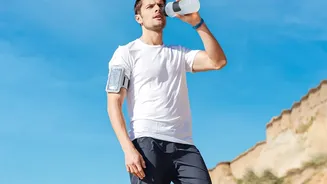
Exercising in hot, humid weather isn't just uncomfortable; it can be dangerous. When humidity is high, your sweat doesn't evaporate efficiently from your skin, which is your body's primary way of cooling down. This can lead to a rapid increase in core
body temperature, putting you at risk for heat exhaustion or even heatstroke. Complicating matters is dehydration. High humidity can make you lose fluids faster, and it's not just water you're losing. Your sweat contains crucial electrolytes like sodium and potassium, which are vital for muscle function and overall physiological balance. Losing too much without proper replacement can lead to debilitating cramps, dizziness, and a significant drop in performance. Thirst isn't always a reliable indicator; by the time you feel thirsty, you may already be on the path to dehydration.
Smarter Than Thirst: How They Work
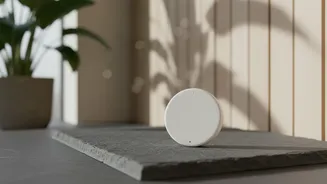
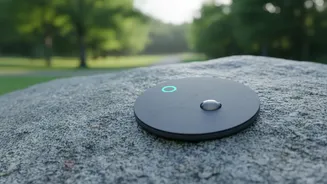
This is where wearable sweat sensors come in, offering a more scientific approach to hydration. These devices are a leap beyond simply tracking steps or heart rate. They are designed as small, lightweight patches that stick to your skin, or as pods that clip into a patch. Instead of just guessing, these sensors analyze your sweat as you produce it. They measure two key things: your sweat rate (how much fluid you're losing) and your sweat composition (what's in that fluid). By analyzing the concentration of electrolytes like sodium, the sensor can build a personalized profile of your hydration needs. This data is then transmitted in real time to an app on your smartphone or compatible smartwatch, giving you a live look at your fluid and electrolyte losses.
Real-Time Data for Real-World Gains
Knowing your personal sweat data transforms hydration from guesswork into a precise strategy. The data can tell you exactly when, what, and how much to drink. For example, the connected app might alert you that your sodium loss is high, suggesting you need an electrolyte drink rather than just water. This helps prevent the dangerous condition of hyponatremia, where sodium levels become too diluted from over-drinking plain water. It also helps athletes avoid "hitting the wall" or experiencing performance-killing cramps due to electrolyte imbalance. By replacing exactly what you've lost, you can maintain your performance for longer, reduce your risk of heat-related illness, and even speed up your post-workout recovery. This personalized approach is a significant step up from generic advice, which doesn't account for the vast differences in individual sweat rates and compositions.
Is This Technology Ready for You?
The market for sweat analysis is growing rapidly, with several companies like Nix Biosensors and Flowbio offering sophisticated devices for dedicated athletes. Even major brands like Gatorade have entered the space with products like the Gx Sweat Patch, which aims to make sweat analysis more accessible. While early versions required lab analysis, today's wearables deliver insights directly to your phone. It's important to note that this is still an emerging technology. While validation studies show they provide practical and useful measurements for real-world planning, they may trade some of the precision of a lab test for everyday convenience. However, for most people, a reliable 'ballpark' estimate is a massive improvement over no data at all. As the technology continues to mature and costs come down, these sensors are expected to become a mainstream feature in fitness tracking.
The Future of Your Workout
Looking ahead, sweat analysis is poised to become an integral part of personalized health monitoring. The demand for non-invasive ways to track our bodies is driving innovation. Future sensors may track not just hydration but also other biomarkers like lactate to measure muscle fatigue, glucose for metabolic health, and even cortisol to monitor stress levels. Imagine a wearable that doesn't just tell you how far you ran, but also provides real-time coaching based on your body's unique chemical signals, suggesting when to push harder, when to ease off, and precisely how to refuel. The integration of artificial intelligence will likely provide even deeper insights, learning your body's patterns across different conditions to offer predictive advice for optimizing both performance and overall well-being.