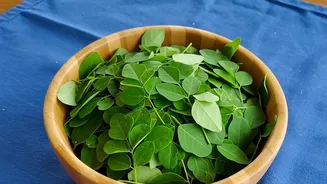

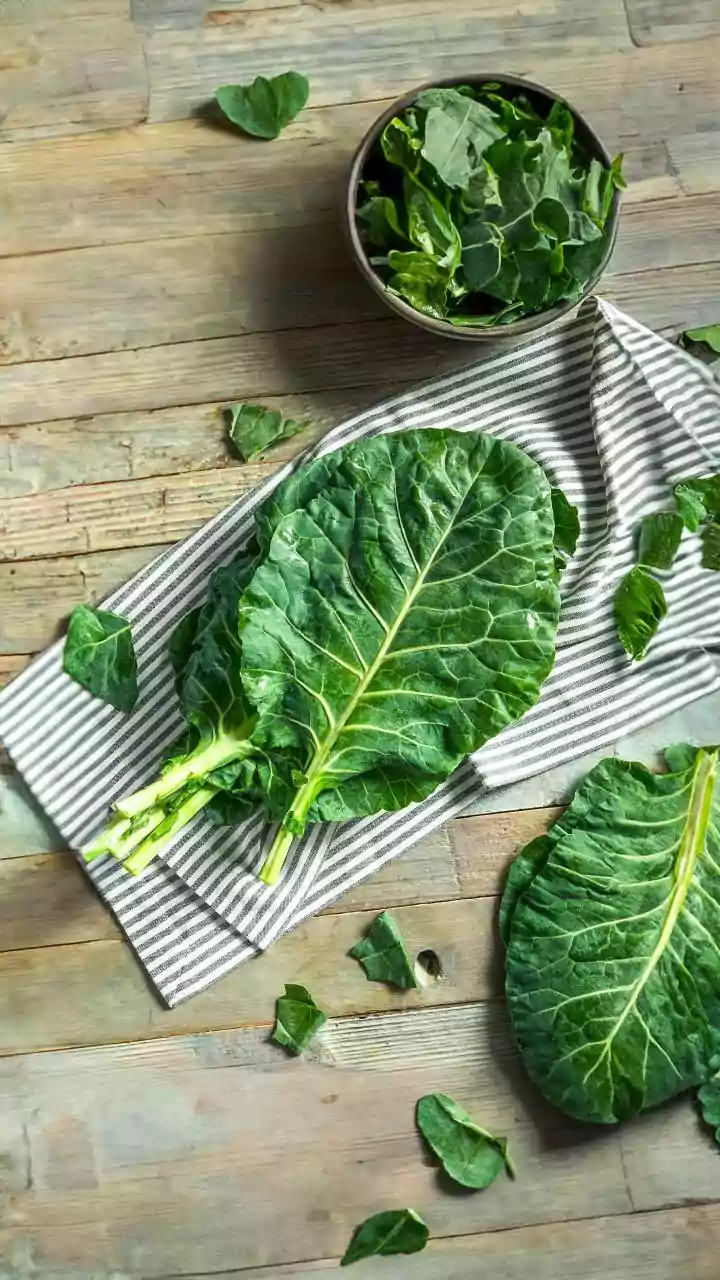
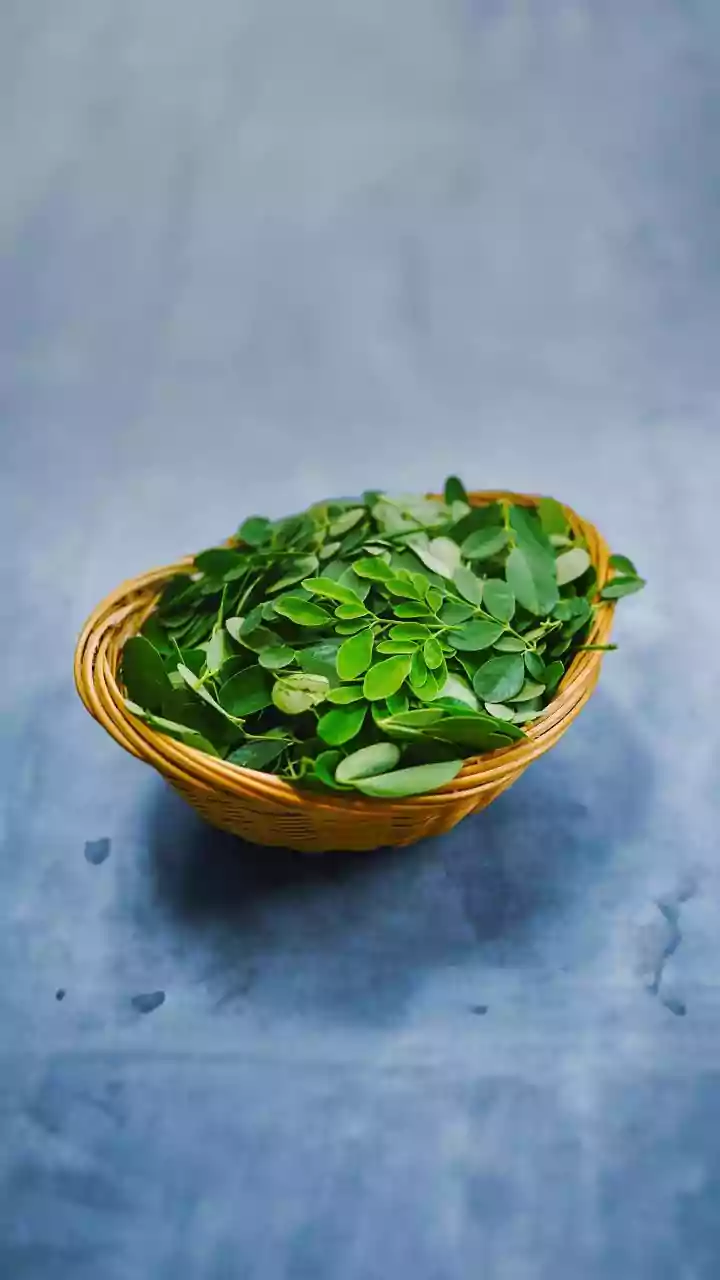

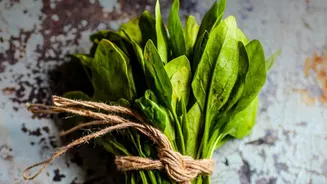
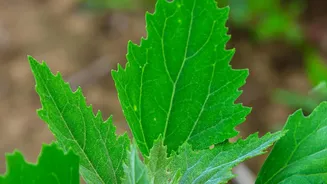
Beyond the cultivated spinach and fenugreek in our markets lies a world of wild greens, especially in Central India. These foraged plants are not just packed with nutrients; they offer them in a form our bodies can readily use.
More Than Just Nutrients: The Bioavailability Factor
We often hear about foods
being rich in iron, calcium, or vitamins. But the presence of a nutrient doesn't guarantee the body can absorb it. This is where bioavailability comes in. Think of it as the difference between having money in a locked vault and having cash in your hand. Many foods contain 'anti-nutritional' factors like phytates and oxalates that can 'lock up' minerals, making them pass through your body unused. Wild greens, especially many varieties found across India, are often lauded for containing essential nutrients in a more bioavailable form, meaning your body gets more of the good stuff.
Meet the Wild Powerhouses: Bathua and Chaulai
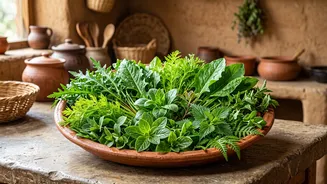
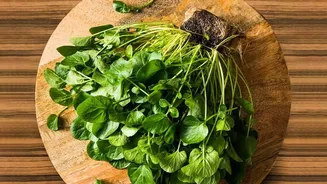
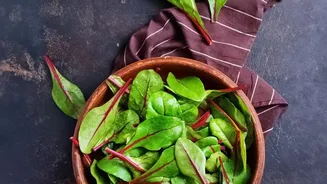
Two stars of the wild green world are Bathua (Chenopodium album or Lamb's Quarters) and Chaulai (Amaranthus or Amaranth greens). Bathua, a winter green, is a nutritional heavyweight, containing significantly higher levels of minerals like calcium compared to common vegetables like spinach. Studies have shown that the iron in Bathua is bioavailable, contributing effectively to the body's needs. Similarly, Chaulai is a treasure trove of nutrients. Green amaranth leaves are particularly rich in calcium, magnesium, and beta-carotene. A 100-gram serving of raw green amaranth can provide a significant portion of an adult's daily requirement for vitamin C and iron, with the vitamin C content naturally helping the absorption of iron.
The Taste of the Land: Earthy and Versatile
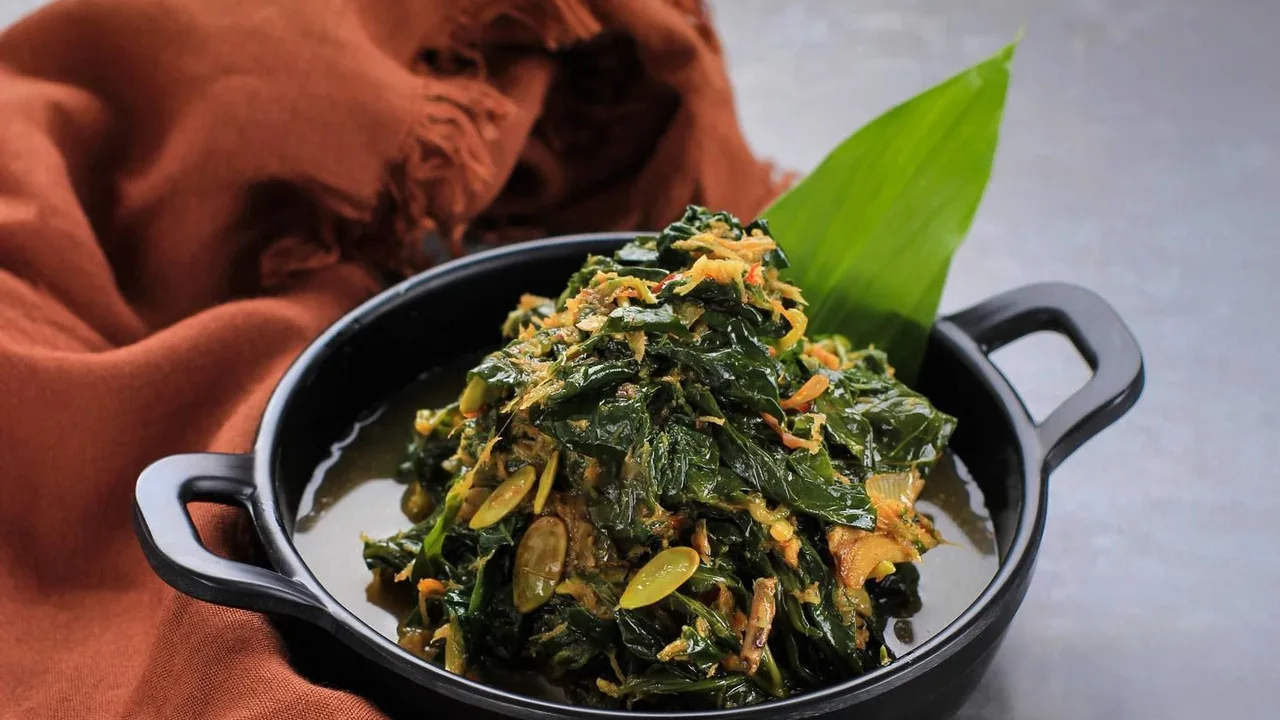
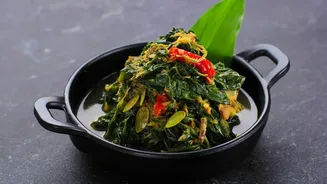
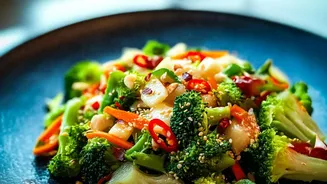
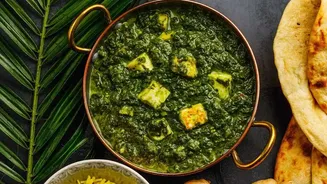
The nutritional prowess of these greens is matched by their distinct, earthy flavours. Unlike the often uniform taste of commercially farmed vegetables, wild greens carry the character of the soil and season. In Central India, they are integral to the local cuisine. A common preparation is a simple 'saag', where the leaves are slow-cooked until tender, then mashed and tempered with garlic, ginger, and green chillies in a little ghee or oil. This method not only makes the greens succulent and delicious but can also improve the digestibility and nutrient absorption. They are also added to dals, mixed into dough for rotis or parathas, or made into simple stir-fries that honour their rustic taste.
A Legacy of Sustainable Eating
For tribal and rural communities in regions like Madhya Pradesh and Chhattisgarh, these greens, often called 'Ran Bhaji' (forest vegetables), are more than just food. They represent a system of sustainable living, food security, and traditional knowledge passed down through generations. These plants grow naturally without needing intensive farming, pesticides, or fertilisers, making them a resilient food source. A study in the Achanakmaar-Amarkantak Biosphere Reserve in Central India found that local communities collect and consume a vast diversity of wild edible plants, which significantly supplement their diets with crucial micronutrients like iron, calcium, and essential vitamins. This tradition of foraging and cooking with local biodiversity holds valuable lessons for modern food systems struggling with sustainability and nutritional challenges.