






The Big Shake-Up: Goodbye 60-Day Stays
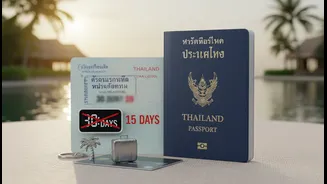
The most significant change is the Thai government's decision to revoke the popular 60-day visa exemption that was previously available to travellers from 93 countries. This extended stay permit, a generous post-pandemic measure to boost tourism, is being
rolled back. In its place, a new framework is being implemented, granting a 30-day visa-free stay to visitors from a revised list of 59 countries. The government has cited national security and the misuse of tourist visas for illegal work or long-term stays as the primary reasons for this policy shift. The new rules aim to create a clearer system under a “one country, one entitlement” principle.
Good News for Indian Travellers
Amid these changes, there's a specific silver lining for Indian passport holders. Initially, a drop in Indian tourists was noted after confusing announcements about visa changes. In response, the Thai cabinet has confirmed that India will be included in the new 30-day visa-free scheme. This replaces the previous visa-on-arrival system for Indians, simplifying the entry process. While the stay is shorter than the temporary 60-day period some had enjoyed, it provides clarity and removes the step of applying and paying for a visa upon landing. The decision reflects the importance of the Indian market, which is the third-largest source of tourists for Thailand.
Understanding the 'Tighter Stay Limits'
The phrase 'tighter limits' doesn't refer to the 30-day duration itself, but to stricter enforcement against those who abuse the system. For years, some long-term visitors have used “visa runs”—quick trips across the border and back—to reset their tourist visa clock and stay in Thailand indefinitely. Authorities are now cracking down hard on this practice. Immigration officers are scrutinizing travel histories more closely, and those with multiple back-to-back entries may face questioning, shorter stays, or even be denied entry. Between January and May 2026 alone, nearly 30,000 foreigners were denied entry, and over 14,000 overstayers and illegal workers were arrested. The message is clear: the visa exemption is for genuine tourists, not for unofficial residents.
What Genuine Tourists Need to Know
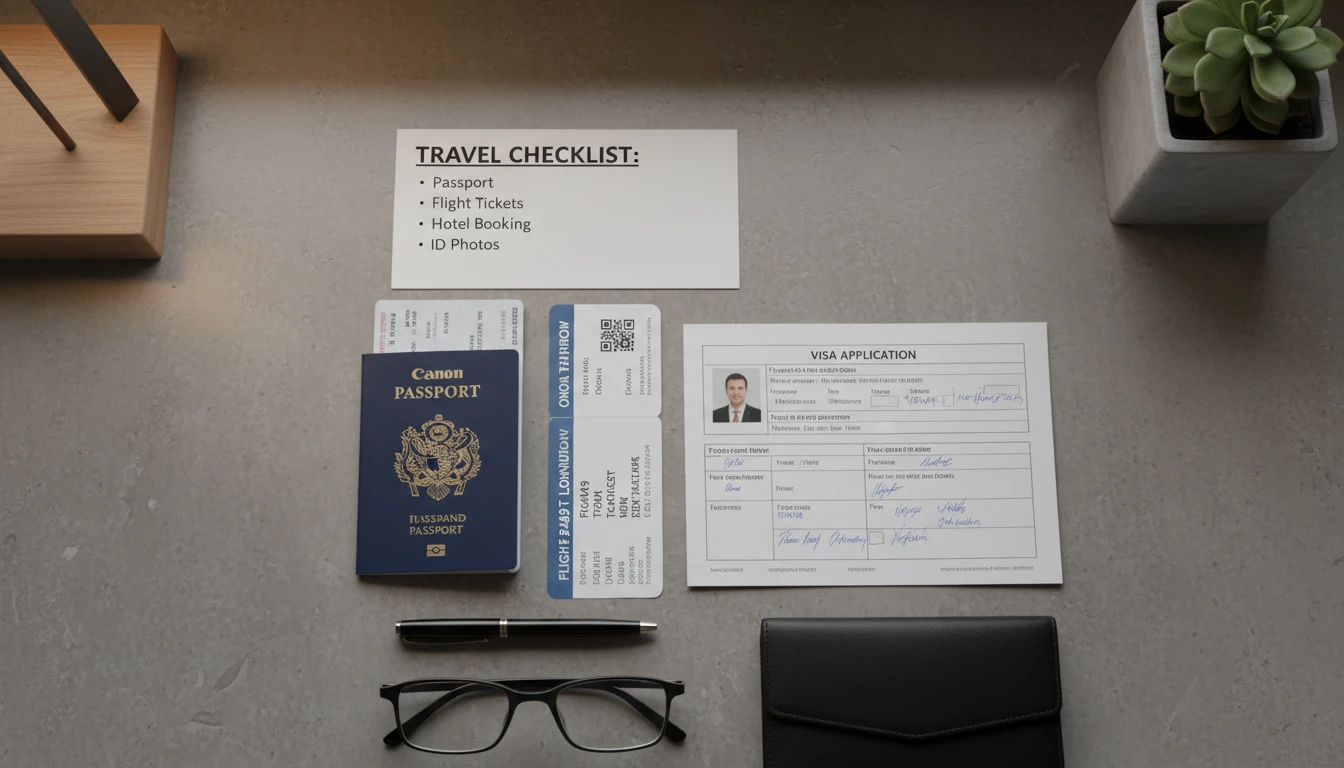
For the average Indian tourist planning a holiday of a few weeks, these changes are largely positive. The 30-day visa-free entry simplifies arrival. However, all travellers should be prepared for more diligent checks at immigration. It is now more important than ever to have your documents in order. This includes having a passport with at least six months of validity, proof of a return or onward flight, details of your accommodation, and evidence of sufficient funds for your trip. The paper-based TM.6 arrival/departure card has also been phased out, with all travellers now required to register online for the Thailand Digital Arrival Card (TDAC) before arrival.
Options for Longer Stays
For those who wish to stay longer than 30 days, simply overstaying is a bad idea. The penalties are severe, including daily fines and potential bans from re-entering Thailand for several years. The proper route for a longer visit is to apply for an extension at a local immigration office, which may grant up to an additional 30 days. For digital nomads and remote workers, Thailand has introduced the new Destination Thailand Visa (DTV). This five-year, multiple-entry visa allows for stays of 180 days at a time (extendable once in-country) and is designed specifically for individuals who work remotely for foreign companies. This provides a legal and stable option for long-term stays without relying on tourist visa runs.