






Hoh Rain Forest, Washington
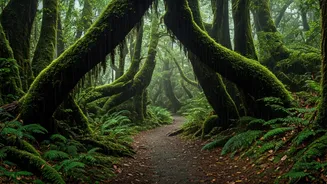
It’s right there in the name. Located within Olympic National Park, the Hoh Rain Forest is one of the few remaining temperate rainforests in the United States, and it’s a place that truly comes alive with moisture. When it rains, the already-vibrant ecosystem
goes into overdrive. The thick carpets of moss and fern covering the Sitka spruce and Western hemlock become impossibly green, glowing with an emerald luminescence. The air grows heavy with petrichor—that earthy scent of rain on dry soil. Walking the Hall of Mosses trail during a downpour is a multi-sensory experience; the sound is muted by the dense canopy, replaced by the gentle patter of raindrops and the drip-drip-drip from hanging clubmoss. The mist that weaves through the ancient trees creates a mystical, primeval atmosphere that feels worlds away from the everyday. A sunny day is lovely, but a rainy day is when the Hoh reveals its true, magical character.
The Columbia River Gorge, Oregon & Washington
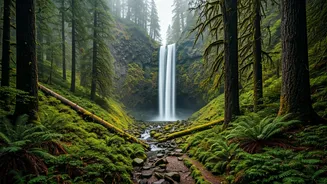
The Historic Columbia River Highway is often called “Waterfall Alley,” and there’s no better time to see it than during or after a good rain. Stretching for dozens of miles along the Oregon side of the gorge, this area is home to an astonishing concentration of waterfalls. While iconic falls like Multnomah and Latourell are stunning year-round, rainfall transforms them. Trickles become torrents, and dormant seasonal falls spring to life, cascading down the sheer basalt cliffs. The rain deepens the colors of the landscape, turning the moss and lichen-covered rocks a vibrant, saturated green. The powerful spray from the swollen falls fills the air, and the roar becomes a visceral, thundering presence. Instead of fighting for a parking spot on a crowded summer day, a rainy weekday visit allows for a more intimate and powerful connection with the raw beauty of the Pacific Northwest.
The French Quarter, New Orleans, Louisiana
While many destinations on this list are natural wonders, some cities have a rainy-day charm all their own. New Orleans’ French Quarter is a prime example. A sudden downpour acts as a reset button, washing the streets clean and thinning the famously thick crowds. The city’s sultry, languid pace becomes even more pronounced. This is when the French Quarter’s romantic, gothic side emerges. The wrought-iron balconies glisten, and the flicker of gaslights reflects beautifully on the wet cobblestones of streets like Royal and Chartres. The rain provides the perfect excuse to do what one does best in New Orleans: duck into a cozy, historic bar for a Sazerac, listen to live jazz from a sheltered doorway, or linger over coffee and beignets at Café Du Monde while the storm passes. The city doesn't shut down; it simply changes its rhythm.
Great Smoky Mountains National Park, NC & Tennessee
The ‘smoke’ that gives this iconic mountain range its name is a fog created by moisture and vegetation. And when it rains, that effect is amplified tenfold. A drive along the Newfound Gap Road or the Cades Cove Loop becomes a journey through an ethereal, ever-shifting landscape. Low-hanging clouds drift through the valleys and cling to the hillsides, shrouding and then revealing the dense forests in dramatic fashion. After a shower, the foliage, especially in the spring and summer, seems to pop with an intense, almost fluorescent green. The sound of rushing water is everywhere, as countless creeks and streams swell with the runoff. For hikers, the forest floor becomes a treasure trove of glistening spiderwebs, vibrant fungi, and the rich smell of damp earth. It’s a reminder that the park’s signature smoky haze is a product of the very weather many visitors try to avoid.
Acadia National Park, Maine
Acadia’s beauty is one of rugged, dramatic contrasts—granite cliffs meeting the churning Atlantic. Rain and fog enhance this drama rather than obscure it. When the marine layer rolls in, it transforms the landscape into something out of a 19th-century painting. The mist softens the hard edges of the granite coastline and mutes the sounds, creating a quiet, contemplative mood. Watching the waves crash against the rocks at Otter Cliff or Schoodic Point during a storm is a humbling display of nature’s power. While a foggy day might ruin the panoramic view from the summit of Cadillac Mountain, the drive along the Park Loop Road offers a series of moody, intimate vignettes: pine trees disappearing into the clouds, their needles heavy with water, and the quiet stillness of Jordan Pond, its surface dimpled by raindrops. It's a different, more poetic Acadia that many fair-weather tourists miss entirely.