



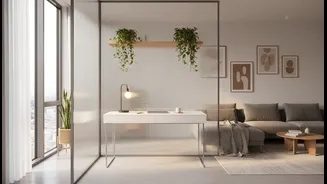


What Exactly is Fluted Glass?
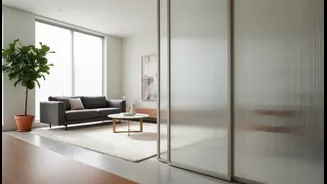
Fluted glass, also known as reeded or ribbed glass, is a type of textured glass with vertical grooves. This is not a new invention; its roots can be traced back to the Art Deco movement of the 1920s. Today, it’s experiencing a major resurgence, especially
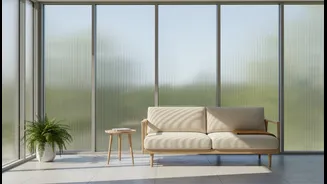
in modern interior design. The distinct pattern of concave flutes creates a beautiful play of light and shadow, adding a decorative element to any space. Unlike frosted glass which has a flat, sandblasted surface, the three-dimensional texture of fluted glass gives it a unique character.
The Magic of Light Without Losing Privacy
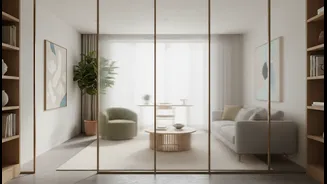
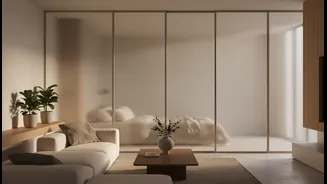
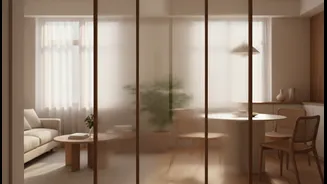
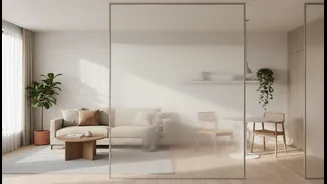
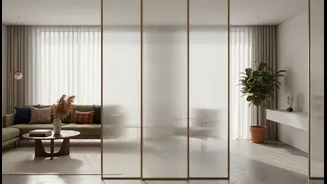
The primary genius of fluted glass lies in its ability to strike the perfect balance between privacy and openness. The ribbed surface blurs the view, obscuring details and providing a sense of seclusion, which is perfect for creating a home office nook or separating a bedroom from a living area. At the same time, it allows natural light to flow freely through the space, preventing the partitioned area from feeling dark or claustrophobic. This light-diffusing quality creates a soft, ambient glow, making the entire home feel brighter and more spacious.
Creating a 'Third Space' for Work and Life
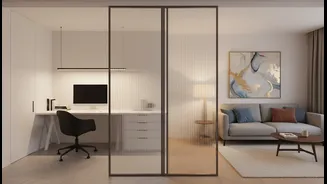
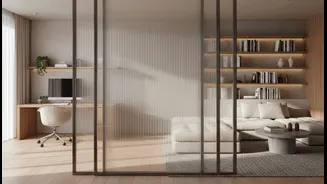
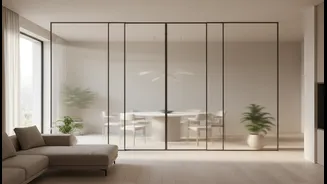
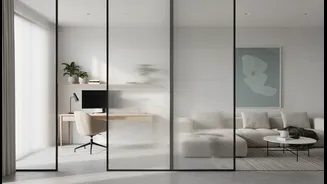
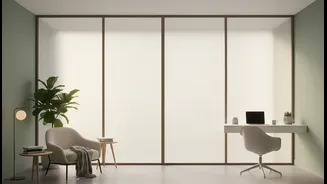
The post-pandemic work culture has merged our homes and offices, often in spaces not designed for it. Fluted glass partitions have become a go-to solution for creating a dedicated workspace within a living area. A sliding or fixed fluted glass screen can elegantly cordon off a desk, creating a visual and psychological boundary. This allows you to 'leave the office' at the end of the day by simply sliding a door, helping to restore a healthier work-life balance without building a permanent, light-blocking wall. The semi-transparent nature ensures you remain connected to the home environment while still having a defined, professional zone.
More Than Just Partitions
While room dividers are a popular application, the versatility of fluted glass extends much further. In the kitchen, it can be used for cabinet doors, hiding clutter while adding a touch of sophistication. This allows you to display the silhouette of your crockery without revealing every detail, maintaining a tidy look. In bathrooms, fluted glass is an excellent choice for shower screens, offering privacy without making the space feel smaller. It is also moisture-resistant and its textured surface helps to hide water spots and fingerprints better than clear glass. From wardrobe doors to internal windows, its applications are limited only by imagination.
A Style Statement for Modern Indian Homes
Fluted glass seamlessly fits into various decor styles. In a minimalist apartment in Mumbai or Bengaluru, a sleek, black-framed fluted glass partition can add architectural interest. For homes with a more traditional or art deco leaning, frames in gold or brass can create a look of vintage glamour. The vertical lines of the flutes have the added benefit of creating an illusion of height, making low ceilings appear taller—a clever trick for compact Indian homes. It’s a material that feels both timeless and perfectly suited for the contemporary moment.
Practical Considerations
Before you commit, there are a few practical points to consider. Fluted glass can be more expensive than standard clear glass due to its manufacturing process. The cost will vary based on thickness, frame material, and the complexity of the installation. While it is relatively low-maintenance, the grooves can collect dust over time and may require a bit more attention when cleaning compared to a flat surface. For safety, especially in homes with children, it is crucial to opt for tempered fluted glass, which is stronger and shatters into blunt pieces if broken. Many suppliers in India now offer customization options for frames and sizes, allowing you to tailor the solution to your specific needs.