


The Allure of Six Yards of Fabric
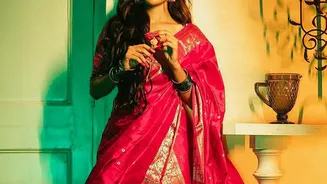
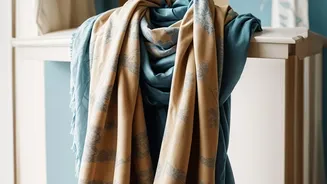
A saree is more than just a garment; it's a canvas of Indian craftsmanship. From the regal lustre of Banarasi silk to the earthy comfort of cotton, each saree offers a unique texture and story. Using them as drapes is an act of sustainable creativity,
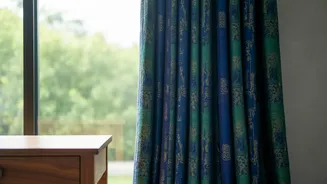
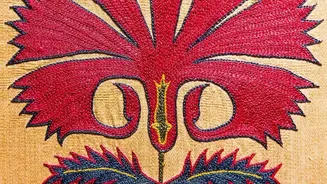
reducing waste while celebrating heritage. The intricate borders (zari), vibrant pallus, and diverse weaves can frame a window like a piece of art, adding a layer of personality that mass-produced curtains simply cannot match. Whether it's a treasured family heirloom or a vintage find, a saree curtain becomes a conversation starter, carrying memories and cultural charm into your living space.
Choosing the Perfect Saree
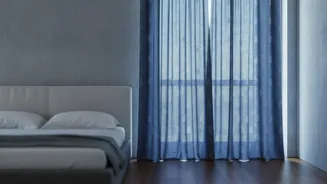
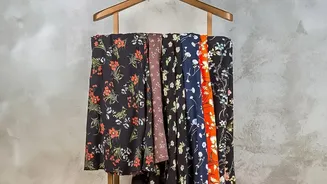
The fabric you choose will define the mood. For a dreamy, light-filtering effect, opt for lightweight sarees like chiffon or georgette. They catch the light beautifully, creating a soft, ethereal glow. If you desire a more opulent, formal look with a heavy drape, rich silks like Kanjivaram or Brocade are ideal. Cotton sarees, with their block prints and handloom textures, lend a bohemian or earthy vibe that feels both casual and artistic. Consider the saree's condition—while small flaws can be hidden, ensure the fabric is strong enough to hang. Also, decide if you want to repurpose an old, loved saree or source a pre-loved one specifically for your project.
Easy No-Sew Transformation
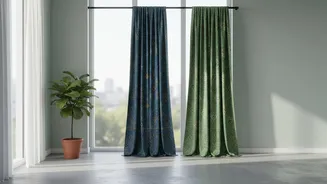
You don't need to be a sewing expert to create beautiful saree drapes. The simplest method involves using curtain clip rings. Just fold the top edge of the saree over to your desired length and attach the clips at even intervals. This method is quick, requires no permanent alteration, and allows you to easily swap out sarees. Another popular no-sew option is to use fusible hemming tape. Simply fold the edges of the saree to create clean hems, place the tape inside the fold, and press with a hot iron. This creates a neat finish and can be used to make a rod pocket at the top for a more traditional curtain look, all without a single stitch.
For the Sewing-Savvy
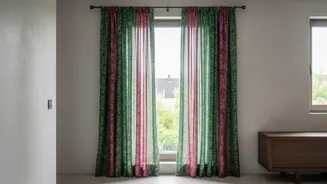
If you are comfortable with a sewing machine, you have more options for a professional finish. Adding a cotton lining is highly recommended, especially for delicate fabrics like silk or chiffon. A lining protects the saree from sun damage and fading, adds weight for a better drape, and provides more privacy. You can sew a simple rod pocket at the top for easy hanging or create loops from leftover fabric. For a truly unique look, consider a patchwork style by stitching together panels from different sarees for a vibrant, bohemian effect. Don’t discard the decorative pallu; it can be strategically placed to be the main feature of a curtain panel.
Styling and Decor Integration
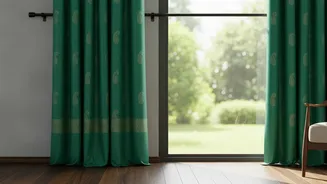
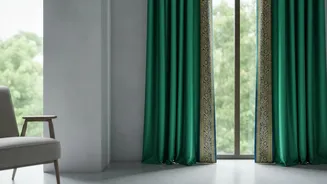
Saree drapes can complement a wide range of interior styles. In a minimalist setting, a single-colour raw silk or cotton saree can add a pop of texture and warmth. For a bohemian or eclectic space, don't be afraid to mix patterns and vibrant colours. Layering a sheer chiffon saree over an opaque cotton one can create depth and visual interest. Use elegant tie-backs made from the saree's border or braided fabric scraps to hold the drapes open. The key is to balance the richness of the saree with the rest of your decor, allowing its intricate borders and sheens to truly shine.
Care and Maintenance
To ensure your beautiful saree drapes last, proper care is essential, especially for silks. It is best to dry clean silk sarees to maintain their lustre and fabric integrity. Avoid washing them at home, as machine washing can damage the delicate fibres. If your curtains are in a spot with direct sunlight, a lining is crucial to prevent fading. Store them away from moisture in a cool, dry place. For cotton drapes, a gentle hand wash is usually safe. Regular, gentle airing can help keep the fabric fresh between cleanings.