


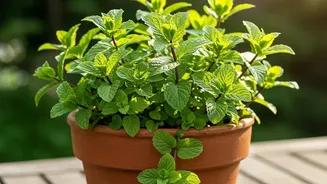
Mint (Pudina)
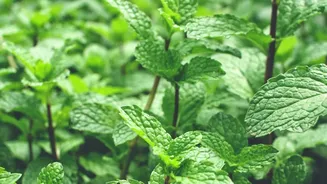
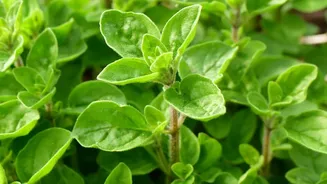
Mint is one of the most forgiving and rewarding herbs for a monsoon garden. It loves moisture and cooler conditions, making the rainy season its ideal growing period. In fact, it's so vigorous that it's best grown in its own pot to prevent it from taking
over its neighbours. For a shaded balcony, this is a perfect choice as it thrives in partial sun, especially appreciating protection from the harsh afternoon glare. Start with a few cuttings from a fresh bunch, place them in water until roots appear, and then plant them in a wide container with well-draining soil. Keep the soil consistently moist, and you'll have an endless supply for chutneys, teas, and raitas.
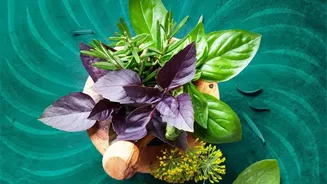
Holy Basil (Tulsi)
A staple in many Indian households, Tulsi is a hardy plant that adapts well to pot culture. It flourishes in the warm, humid weather of the monsoon. While it enjoys sun, it can grow well with just four hours of sunlight a day, making it suitable for partially shaded balconies. The key during the monsoon is to ensure excellent drainage. Heavy rains can lead to waterlogging and root rot, so use a well-draining soil mix (garden soil with compost and a little sand) and a pot with clear drainage holes. Water only when the top layer of soil feels dry, as the rain itself will often provide enough moisture.
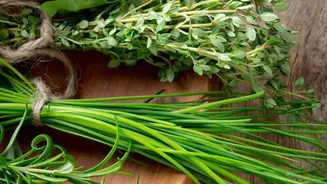
Lemongrass
The refreshing, citrusy aroma of lemongrass is a wonderful addition to any balcony. This grassy herb enjoys the monsoon's moisture and develops lush, fragrant stalks with minimal fuss. While it prefers full sun, it can tolerate partial shade, though its growth might be less vigorous. Plant it in a large, deep pot to accommodate its root system. Ensure the pot has good drainage to prevent the soil from becoming waterlogged. Lemongrass doesn't require much fertiliser; a little compost twice a year is sufficient. Its tall, green stalks not only provide flavour for teas and soups but also act as a natural, pleasant air freshener for your home.
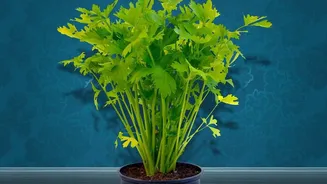
Indian Borage (Ajwain Patta)
Often mistaken for the ajwain (carom) seed plant, Indian Borage has thick, fleshy, aromatic leaves with a similar scent. This is an incredibly hardy and low-maintenance herb, making it perfect for beginners. It thrives in Indian climatic conditions and is quite tolerant of both sun and partial shade. Its succulent-like leaves store water, but it also handles the monsoon humidity well, provided it's in a pot with good drainage. You can easily propagate it from a small cutting. The leaves have medicinal properties and can be used in pakoras or to flavour various dishes.
Betel Leaf (Paan)
Betel leaf is a perennial vine that loves warmth, humidity, and, most importantly, shade. This makes it an outstanding candidate for a shaded apartment balcony, especially during the monsoon. It's a creeper, so you can train it to grow up a small trellis or along a railing, adding a beautiful vertical green element. Plant it in rich, well-draining soil and keep it in a spot that is protected from heavy, direct downpours. Regular moisture is key, but like all monsoon plants, it must not sit in waterlogged soil. Its glossy, heart-shaped leaves are not only culturally significant but also add a unique peppery flavour to your culinary experiments.
Monsoon Care Essentials
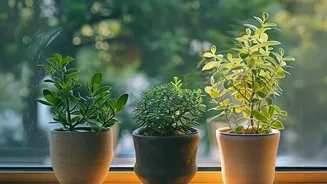
Success with a monsoon herb garden often comes down to a few key practices. First and foremost is drainage. Ensure every pot has drainage holes and consider raising them on bricks or stands to allow excess water to escape freely. Second, improve air circulation by not overcrowding your plants; this helps prevent fungal issues like powdery mildew, which thrive in high humidity. Third, check the soil with your finger before watering. During days of constant rain, you may not need to water at all. Finally, regularly prune your herbs and remove any yellowing or dead leaves to encourage healthy new growth and maintain plant health.