








The Comfort of a Single Number
The India Meteorological Department (IMD) classifies the monsoon as 'normal' when the countrywide rainfall from June to September is between 96% and 104% of the Long Period Average (LPA). The LPA itself is the average rainfall received over a long period,
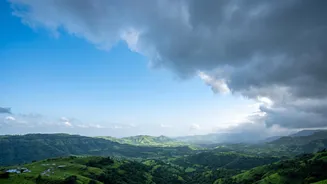
currently 87 cm based on data from 1971 to 2020. This single, nationwide figure provides a simple benchmark. It influences everything from agricultural planning to economic forecasts. For millions of farmers, a 'normal' forecast is a sign of hope, promising the water needed for their crops. But in an era of increasing climate variability, this comforting number often conceals a more complicated and volatile truth. The reality is that the monsoon's character is changing, and the national average no longer tells the whole story.
The Paradox of a 'Normal' Season
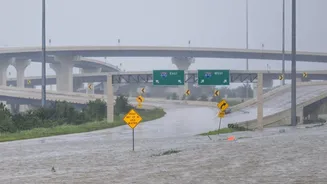
The core issue is distribution. A state or the country as a whole can end the season with a 'normal' average, yet have experienced devastating extremes. Imagine one district gets hit with 200% of its usual rain in two weeks, causing flash floods, while a neighbouring district suffers through a month-long dry spell, receiving only 50% of its rain. When averaged out, the regional figure might look perfectly normal, but the lived experience is one of dual crises: deluge and drought. Recent monsoon seasons are filled with such examples. In 2026, despite a cumulative deficit, parts of Delhi-NCR received massive surplus rain in short bursts, while regions in Southern and Northeastern India remained significantly dry. This unevenness means that while the statistics may suggest balance, the impact on the ground is one of high stress for both urban infrastructure and rural livelihoods.
Fewer Rainy Days, More Intense Downpours
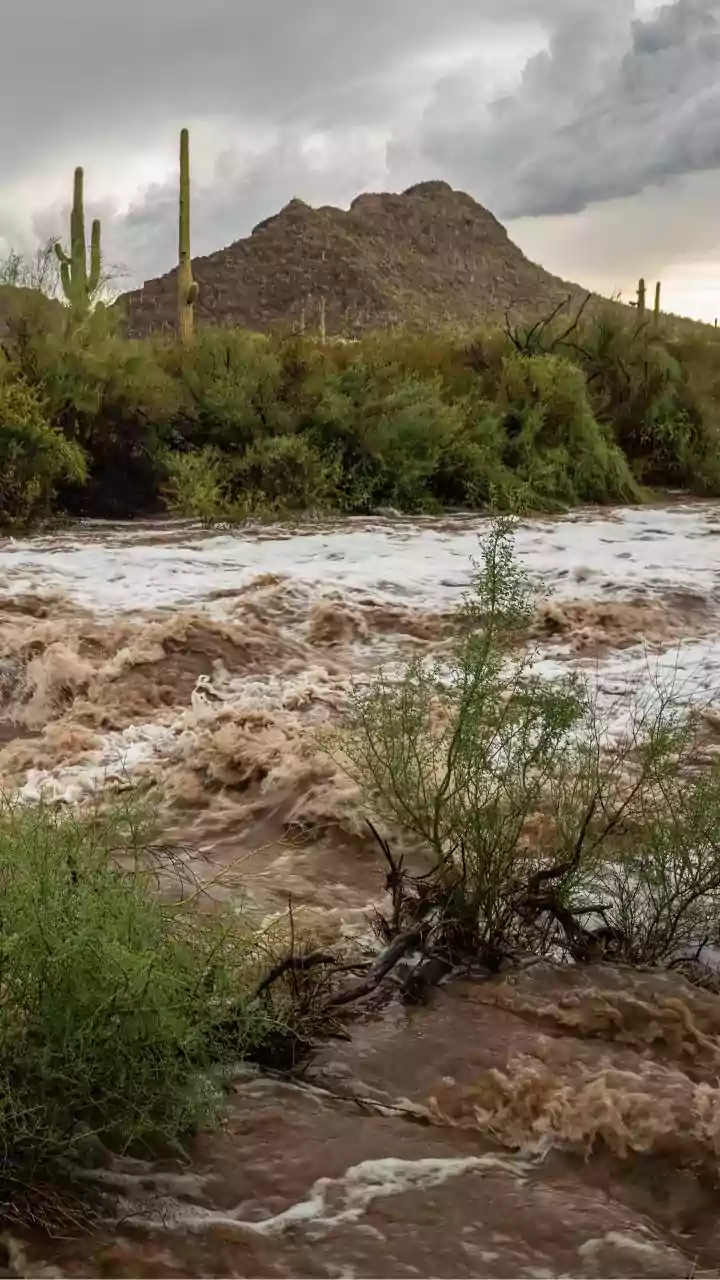
The science points to a fundamental shift in the monsoon's behaviour, driven by climate change. Instead of consistent, moderate rainfall spread over many days, the monsoon is increasingly characterized by long dry spells punctuated by short, intense bursts of extreme rain. Studies show that for every degree Celsius of warming, monsoon rainfall could increase by about 5%, making the season more erratic and powerful. This doesn't mean more water overall, but rather that the same amount of rain falls in a much shorter, more violent window. This pattern is becoming a defining feature of India's changing climate, leading to a rise in flash floods and waterlogging even in seasons with average or below-average total rainfall. The calm, steady rains that traditionally replenished groundwater and nourished crops are becoming less frequent, replaced by chaotic deluges that the land cannot absorb.
The Real-World Consequences
This new reality has severe consequences. For farmers, the timing of rainfall is just as important as the quantity. Intense downpours can damage young saplings, erode topsoil, and wash away nutrients, while the extended dry periods that follow can cause crops to wither from moisture stress. This volatility disrupts crop cycles and makes farming, which employs over half of India's workforce, an increasingly precarious profession. In cities, the problem is just as acute. Urban drainage systems, designed for more moderate rainfall, are frequently overwhelmed by sudden cloudbursts, leading to widespread waterlogging and bringing life to a standstill. The cycle of drought and deluge puts immense pressure on water management, food security, and the economy, with food price inflation often following an erratic monsoon.