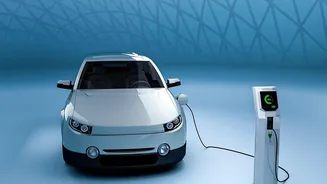



The High Cost of Going Electric
For years, the heart of an electric vehicle's cost has been its battery pack. These packs have overwhelmingly relied on lithium-ion technology. While effective, lithium-ion batteries depend on materials with volatile and often high costs, like lithium,
cobalt, and nickel. The supply chains for these minerals are geographically concentrated, creating geopolitical risks and price instability. The extraction of lithium and cobalt, in particular, carries significant environmental and ethical concerns, adding another layer of complexity and cost. This dependence on expensive, scarce materials is a primary reason why the dream of a truly budget-friendly family EV has remained just out of reach for most people.
Enter Sodium: The Abundant Alternative
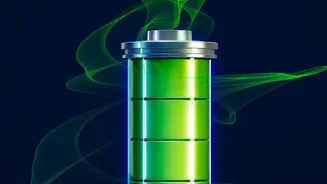
Sodium-ion batteries work on a principle similar to their lithium-ion cousins, shuttling ions between a cathode and an anode to store and release energy. The game-changing difference lies in the core element: sodium. Sodium is the sixth most abundant element on Earth, readily available everywhere in the form of common salt. This incredible abundance means the raw material is significantly cheaper and can be sourced locally, reducing dependence on fragile global supply chains. By replacing scarce lithium with plentiful sodium, manufacturers can immediately slash one of the biggest costs in the battery bill of materials.
More Than Just a Salt Swap
The cost savings go beyond just substituting sodium for lithium. The entire chemistry of the battery is redesigned around more accessible materials. Many sodium-ion designs can eliminate cobalt and nickel, two of the most expensive and problematic metals in traditional EV batteries. The anode, typically made of graphite in lithium-ion cells, can be replaced with less-expensive hard carbon. Some Indian innovators, like IndiEnergy, are even developing technology to produce battery materials from agricultural waste. This shift to cheaper, more common elements like iron, manganese, and aluminum for the cathode and other components can reduce the battery's raw material cost by 20-30% compared to equivalent lithium-ion packs once production is scaled up.
The Performance Trade-Off: A Perfect Fit for India?
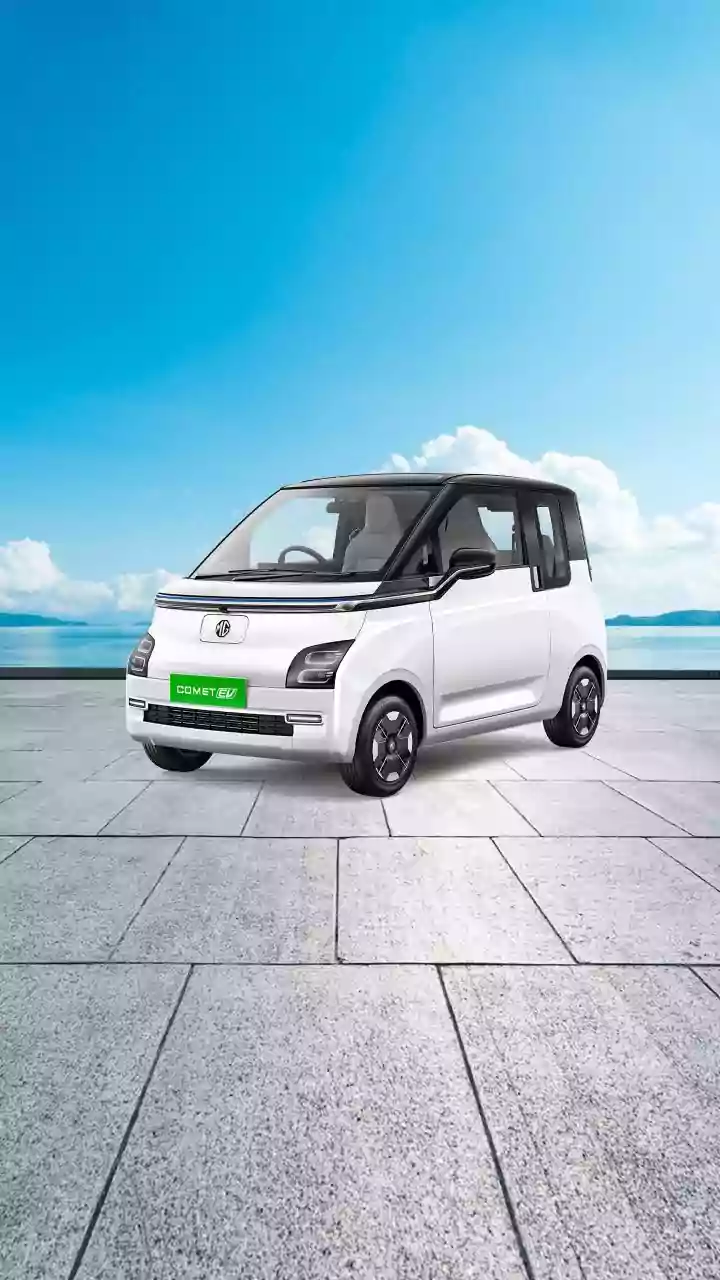
So, what's the catch? The primary drawback of current sodium-ion technology is lower energy density. In simple terms, a sodium-ion battery of the same size and weight stores less energy than a high-end lithium-ion one, resulting in a shorter driving range. While this makes them less suitable for long-range luxury EVs, it makes them a perfect match for a huge segment of the Indian market: affordable city cars, two-wheelers, and three-wheelers where daily travel distances are predictable and shorter. Furthermore, sodium-ion batteries offer significant advantages in safety, with lower fire risk, and much better performance in extreme temperatures, a key benefit in India's varied climate. Breakthroughs by Indian scientists have also demonstrated ultra-fast charging capabilities, reducing another common EV pain point.
Paving the Way for Mass EV Adoption
With companies like CATL beginning mass production in 2026 and numerous manufacturers in China and India ramping up development, the era of the sodium-ion EV is here. This technology is not necessarily a replacement for all lithium-ion batteries but a crucial complement. It targets the mass market, where cost is the most critical factor. For India, which has ambitious goals for vehicle electrification under schemes like Atmanbhir Bharat, a domestic, low-cost battery technology is a strategic necessity. Recent reports indicate that Indian research has brought the technology to an advanced stage, with commercial production potentially just a few years away. The availability of cheaper batteries will empower manufacturers to launch electric cars and bikes at price points that can genuinely compete with their petrol and diesel counterparts.