




More Than Just a Headcount
When we hear about conservation, we often picture population counts. But true wildlife monitoring goes much deeper. It is the systematic, long-term collection of data not just on animal numbers, but on their health, behaviour, demographics, and distribution.
Scientists track key metrics like birth and death rates, the ratio of males to females, and the movement of individuals and groups. This detailed information provides a comprehensive health report for an entire ecosystem. It helps managers understand if a population is stable, growing, or declining, and more importantly, it helps them understand the reasons why. Without this baseline, conservation efforts would be like navigating without a map, relying on guesswork rather than evidence.
From Data to Decisive Action
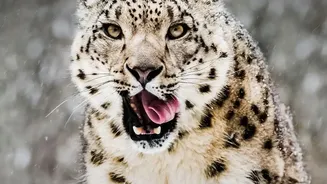
India's flagship conservation initiative, Project Tiger, is perhaps the best example of monitoring in action. Since its inception, the project has relied on a robust monitoring framework. The quadrennial tiger census, now a high-tech operation, provides the data that drives national tiger conservation policy. This regular assessment has helped identify successes, pinpoint areas where tiger populations are struggling, and allocate resources effectively. When monitoring reveals a decline, experts can investigate the cause — be it poaching, habitat loss, or a depleted prey base — and implement targeted interventions. This approach of 'adaptive management', where strategies are constantly refined based on scientific feedback, has been central to the steady increase in India's tiger numbers.
Connecting the Dots for Coexistence
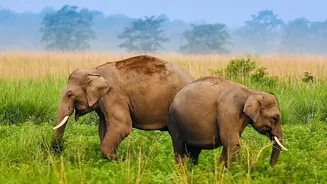
Animals don't recognize the boundaries of our national parks and sanctuaries. They need to move between protected areas to find mates, food, and new territory. Long-term monitoring, especially through methods like satellite collaring, helps scientists map these critical 'wildlife corridors'. Understanding these ancient pathways is vital for reducing human-wildlife conflict and ensuring genetic diversity. When data shows that a specific route is crucial for elephant or tiger movement, policymakers can use that information to make smarter infrastructure decisions. This might involve building wildlife underpasses for highways or modifying railway line plans to avoid fragmenting a vital corridor. In a rapidly developing country like India, this data-driven approach is essential for balancing progress with preservation.
High-Tech Eyes in the Forest
Gone are the days of relying solely on pugmarks. Today, technology has revolutionized wildlife monitoring. Camera traps, which are remotely activated cameras, capture images of animals in their natural habitat with minimal disturbance. These devices provide invaluable data on the presence and density of elusive species, as well as their co-predators and prey. Scientists also use genetic analysis of droppings, hair, or saliva to identify individual animals, map family trees, and assess the genetic health of a population. This non-invasive DNA sampling offers a wealth of information without ever needing to tranquilize or capture an animal, making monitoring safer and more effective than ever before.
The Unseen Challenges
Despite its proven importance, long-term monitoring faces significant hurdles. It is a costly and labour-intensive process that requires sustained financial commitment and a large pool of skilled personnel, from forest guards to wildlife biologists. Many of India's most biodiverse areas are in remote, difficult terrain, making year-round data collection a logistical challenge. Furthermore, the sheer volume of data generated by modern technology requires sophisticated analytical capabilities to process and interpret. Sustaining these efforts requires not just government will but also the support of local communities and a continuous investment in building scientific capacity across the country.