




The Peril of Puddles and Parkas
Water is the nemesis of wood. When moisture from a damp coat or umbrella seeps into hardwood floors, it can cause the wood to swell, warp, cup, or become discoloured. This damage is not just unsightly; it can be costly and difficult to repair. The finish
on wooden furniture is equally vulnerable, with prolonged exposure to dampness leading to white rings, weakened joints, and even mould growth. Dirt and grit carried in on wet shoes act like sandpaper, scratching and dulling the floor's protective layer, accelerating wear and tear. Simply put, without a dedicated transition zone, your home's elegant interior is constantly under threat from the elements.
The Mudroom: Your Home’s First Defence
A mudroom is a secondary entryway designed to be a buffer between the outdoors and your home's clean interior. It’s a space, traditionally near a back or garage door, where you can shed wet and dirty outerwear before it gets tracked through the house. By creating a designated drop-zone for coats, boots, umbrellas, and backpacks, a mudroom contains the mess, keeping your primary living spaces pristine and organized. This single feature can dramatically reduce cleaning time and protect your investment in flooring and furniture.
The Modular Advantage: Flexibility is Key
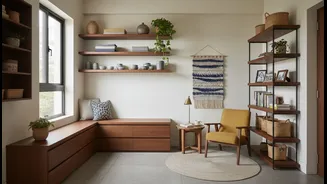
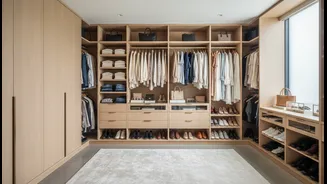
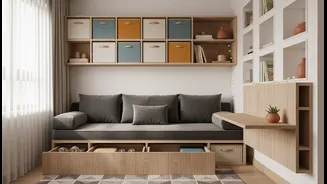
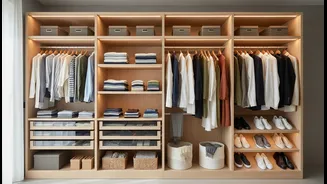
While a custom-built mudroom is a dream for many, modular layouts offer a practical and adaptable alternative. Modular systems consist of individual, non-permanent components—benches, cubbies, lockers, and shelving units—that you can mix and match to fit your specific space and needs. This flexibility is their greatest strength. Whether you have a spacious entryway or just a small corner by the door, you can assemble a configuration that works for you. As your family's needs change over time, a modular system can be easily reconfigured, expanded, or moved.
Essential Components for a Weather-Proof Entryway
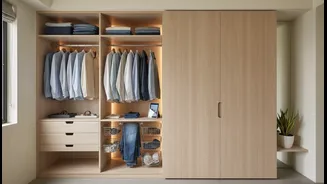
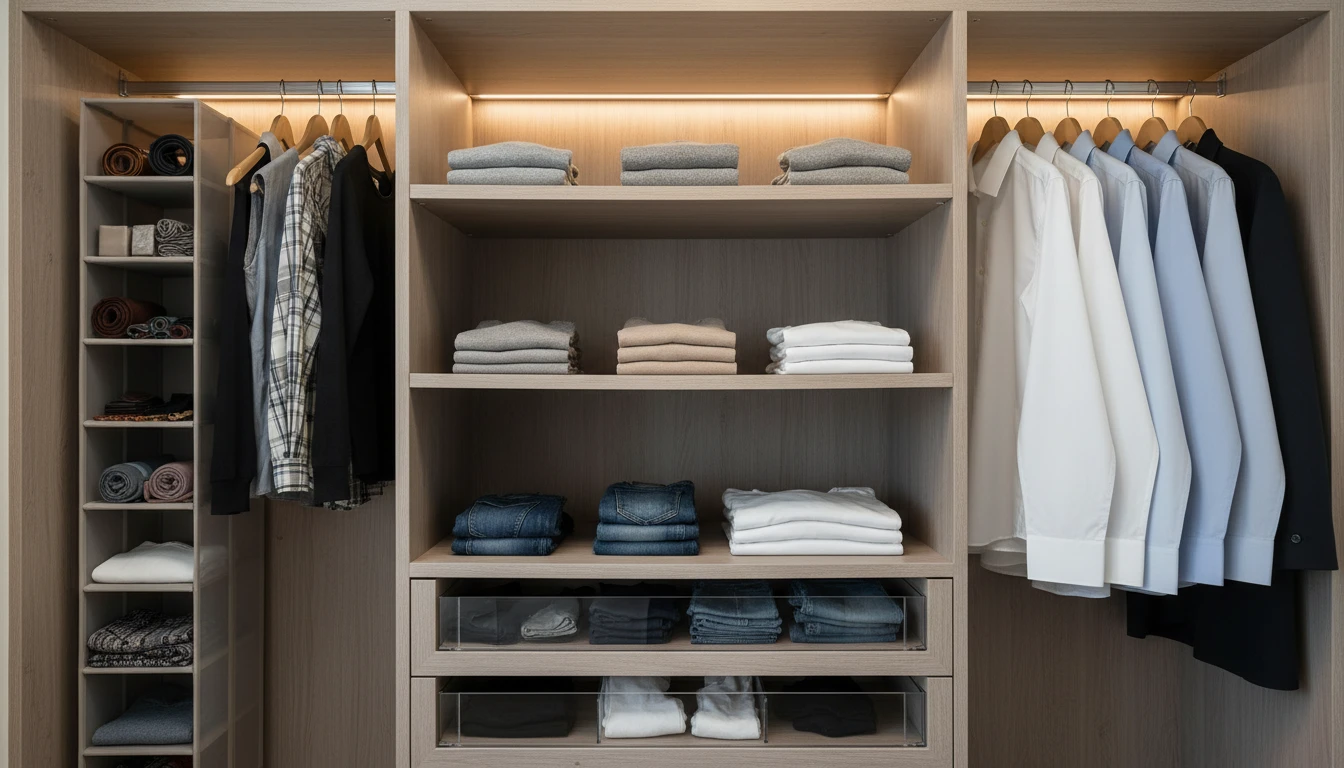
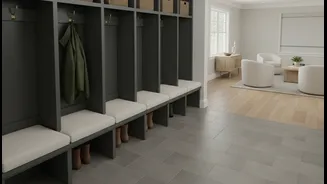
A successful modular mudroom hinges on having the right components. A sturdy bench provides a place to sit while removing wet footwear. Individual cubbies or lockers give each family member a designated spot, promoting organization. Wall-mounted hooks are essential for hanging coats and bags to dry. Look for durable, water-resistant materials. Open cubbies for shoes and boot trays are crucial for containing mud and moisture, protecting the floor underneath from damage. Some systems even incorporate features like ventilated lockers to speed up the drying process.
Designing for Drainage and Airflow
The key to preventing damage is not just containing moisture, but managing it. A well-designed modular mudroom promotes airflow to help wet items dry faster. Open hooks are better than a packed closet because they allow air to circulate around damp raincoats. Slatted shelves for shoes prevent water from pooling, and placing a super-absorbent mat or a durable boot tray beneath these areas adds another layer of protection. For flooring in the mudroom area itself, materials like tile or stone are ideal for their durability and water resistance.
Aesthetics Are Not Sacrificed
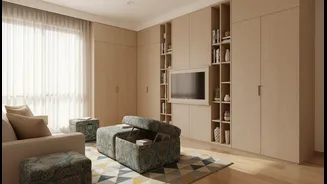
Functionality doesn't have to come at the expense of style. Modular mudroom components are available in a wide range of finishes and designs to complement your home's existing decor. You can choose pieces that match your living room's modern aesthetic or a rustic look that adds character. By integrating elements like decorative baskets for smaller items, a mirror to make the space feel larger, or even a piece of art, you can transform a purely practical area into a welcoming and stylish entryway that enhances your home's overall appeal.