






Jamun (Indian Blackberry)
This deep purple, bite-sized fruit is a true monsoon gem, available from mid-May through August. With a unique sweet and tart flavour, Jamun is more than just a nostalgic treat. It is packed with nutrients like iron, potassium, and vitamins. Nutritionists
champion it as an ideal monsoon fruit because it's rich in vitamin C and antioxidants called anthocyanins, which help boost immunity and fight infections that are common during the rainy season. Jamun has a low glycemic index and contains compounds that may help in managing blood sugar levels, making it a good choice for many.
Peach (Aadu)
Soft, pulpy, and incredibly juicy, peaches make their appearance from late summer into the monsoon. This fuzzy fruit is not only delicious but also a nutritional powerhouse. It's an excellent source of vitamins A and C, which are crucial for maintaining healthy skin and a strong immune system. The dietary fibre in peaches aids digestion and helps prevent constipation. Rich in antioxidants like carotenoids, peaches support overall health and are a refreshing, low-calorie snack to enjoy during the humid monsoon days.
Pomegranate (Anaar)
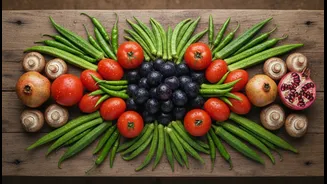
While available in different seasons depending on the region, many premium varieties like 'Bhagwa' have a peak season during the monsoon. These ruby-red jewels are packed with powerful antioxidants that support heart health and reduce inflammation. Pomegranates are a great source of fibre, vitamins, and minerals, making them a valuable addition to your diet. Eating pomegranates can help improve blood circulation and support the body's natural defence mechanisms. You can enjoy the arils on their own, in salads, or as juice.
Corn on the Cob (Bhutta)
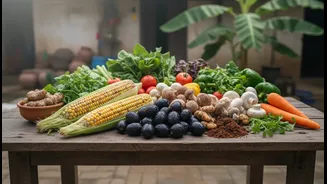
Nothing says monsoon in India quite like the smoky aroma of a roasted bhutta from a street-side vendor. Though some corn varieties are available year-round, the freshest cobs arrive with the rains. Bhutta is a healthier snack compared to deep-fried alternatives, especially when roasted or steamed. It's a good source of dietary fibre, which aids digestion and can help with weight management. Corn also contains essential vitamins like A and B1, which are good for your eyes and brain function.
Bitter Gourd (Karela)
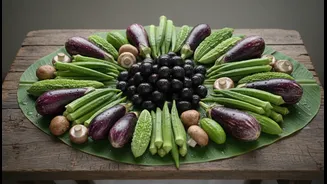
Feared for its bitterness but prized for its benefits, Karela thrives during the monsoon. This vegetable is traditionally consumed during the rains to help ward off infections. It's packed with vitamin C and powerful antioxidants that strengthen the immune system. Bitter gourd is also celebrated for its ability to help regulate blood sugar levels. Furthermore, it supports liver function and aids digestion—two things that can be sluggish during the humid monsoon months.
Okra (Bhindi)
A staple in Indian kitchens, Bhindi, or lady's finger, is at its freshest and most tender during the monsoon season. This versatile vegetable is rich in dietary fibre, which promotes good digestive health. It's also a great source of vitamin C, vitamin A, magnesium, and iron. Eating okra during the monsoon provides your body with essential nutrients to help fight off seasonal ailments. It can be cooked in numerous ways, from simple stir-fries to rich curries, making it an easy and healthy addition to your meals.
Pears (Nashpati)
Pears are another fantastic fruit that comes into season as summer transitions into monsoon. They are wonderfully juicy and offer a satisfying crunch. Pears are an excellent source of fibre, which is great for gut health, and they are packed with vitamin C, boosting your immunity during a season when you need it most. Being low in calories and high in water content, they also help with hydration. Enjoy them as a simple snack or slice them into salads for a sweet and refreshing twist.