




More than just a successful splashdown, the return of SpaceX's Dragon capsule marks a critical moment for science. Safely back on Earth are thousands of pounds of research samples that could unlock breakthroughs in medicine and materials science.
A Perfect Pacific Splashdown
After
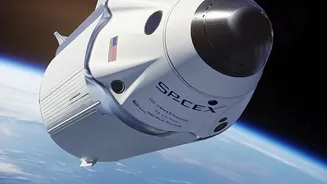
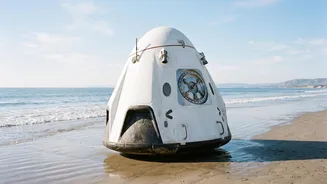
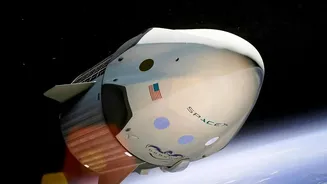
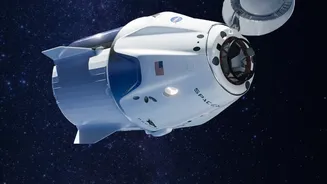
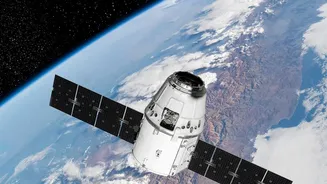
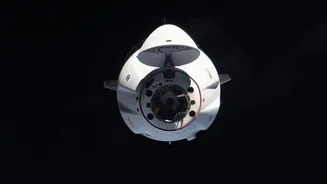
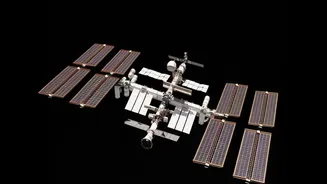
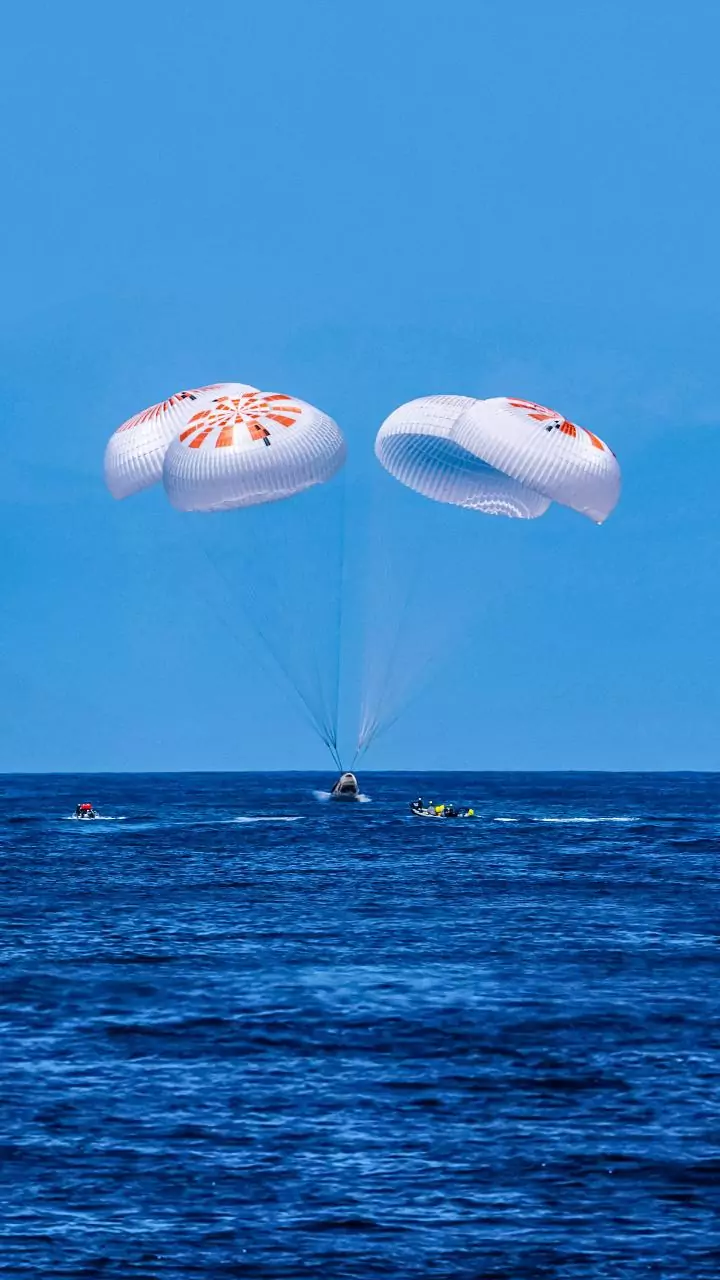
37 days docked at the International Space Station (ISS), the SpaceX Dragon spacecraft successfully completed its 35th Commercial Resupply Services (CRS) mission for NASA. The uncrewed capsule undocked from the station on November 20 and began its 29-hour journey home, culminating in a gentle parachute-assisted splashdown in the Pacific Ocean off the coast of California on November 21. Recovery teams from SpaceX were on-site to quickly retrieve the capsule, ensuring that its precious, time-sensitive cargo could be transported to NASA's facilities for immediate processing. The successful recovery concludes another chapter in the robust partnership between NASA and commercial providers, a model that has become the backbone of logistics for the orbiting laboratory.
The Invaluable Scientific Cargo
While the Dragon delivered over 6,300 pounds of supplies and hardware to the ISS in October, including the station's final set of powerful new solar arrays, its return trip is arguably the most critical part of its mission. The capsule is the only currently operational vehicle capable of bringing significant amounts of cargo back to Earth intact. This unique capability is vital for the hundreds of scientific experiments conducted aboard the station. Among the returned items from CRS-35 are groundbreaking medical samples, including 3D-bioprinted blood vessel constructs used to study cardiovascular disease and the effects of aging. Also onboard were frozen tumor organoids that were treated with chemotherapy drugs in space, which could provide new insights into improving cancer treatments.
Why Microgravity Matters
Conducting these experiments in the microgravity environment of the ISS allows scientists to study biological and physical phenomena in ways that are impossible on Earth. Without the persistent pull of gravity, cell cultures grow in three dimensions, more closely mimicking their behaviour in the human body. This allows for more accurate models of diseases and testing of potential therapies. For example, the returned brain organoids—small, lab-grown models of human brain tissue—help researchers study neurological conditions like Alzheimer's and Parkinson's. Other experiments returned on CRS-35 included studies on how antibiotic-resistant bacteria evolve in space and even a specialized lighting system designed to help regulate astronaut sleep cycles, which has now been returned for analysis after three years of testing.
The Engine of Commercial Space
The CRS-35 mission is a prime example of NASA's successful Commercial Resupply Services program. Initiated after the retirement of the Space Shuttle, this program enlisted private American companies like SpaceX and Northrop Grumman to handle the crucial task of ferrying cargo to and from the space station. Through these public-private partnerships, NASA has fostered a competitive commercial space industry while ensuring a reliable and cost-effective supply chain for its research and operations in low-Earth orbit. This model allows NASA to focus its resources on deeper space exploration missions, like the Artemis program to the Moon and Mars, while commercial partners innovate and manage orbital logistics. The reusability of the Dragon capsule, which completed its fourth flight on this mission, further highlights the efficiency and cost-savings of this commercial approach.
From Ocean to Laboratory
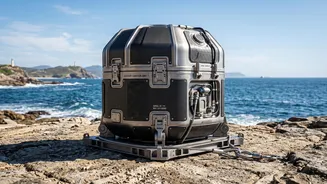
For the scientists whose experiments have just returned, the race against time has begun. The samples, many of which are kept in specialized freezers, will be quickly transported from the recovery ship to labs across the country. Researchers are eager to analyze the data to see how the unique environment of space affected their experiments. The findings from the returned cancer organoids, blood vessel models, and microbial samples could have profound implications for human health on Earth, leading to new treatments and a deeper understanding of fundamental biological processes. Each successful cargo return mission like CRS-35 not only supports the astronauts living and working in space but also brings the benefits of space-based research back home to humanity.