




The Magic of Cold-Pressed Oils
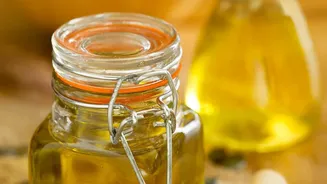
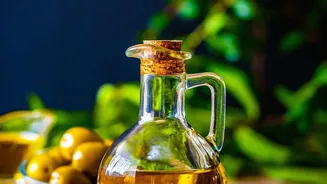
Before we dive into regions and recipes, let's understand what makes cold-pressed oils special. Unlike refined oils, which are extracted using high heat and chemical solvents, cold-pressed oils are made by mechanically crushing seeds at low temperatures.
This traditional method, often called 'kachi ghani', preserves the oil's natural nutrients, antioxidants, flavour, and aroma. While refined oils are neutral and odourless, cold-pressed oils carry the distinct character of their source, making them an active ingredient rather than just a cooking medium. This means more flavour and a profile rich in beneficial fatty acids.
Mustard Oil: The Pungent Powerhouse of the North and East
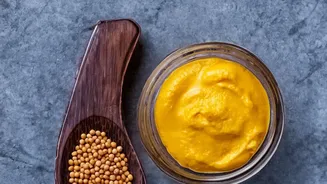
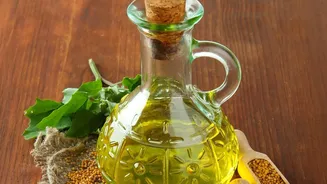
Cold-pressed mustard oil, with its sharp, pungent aroma, is the soul of many cuisines in North and East India, especially in Bengal, Bihar, and Punjab. Its distinctive bite comes from a compound called allyl isothiocyanate. For many first-time users, this pungency can seem overpowering. The secret, practiced by generations of Indian cooks, is to heat the oil until it just begins to smoke lightly. This crucial step mellows the sharpness, creating a warm, nutty flavour that enhances spices and ingredients. Mustard oil has a high smoke point of around 250°C, making it suitable for high-heat cooking methods like frying and tempering (tadka).
Iconic Dishes Starring Mustard Oil
To truly appreciate mustard oil, try it in dishes built around its flavour. In Bengal, the classic 'Shorshe Ilish' (Hilsa fish in mustard gravy) is defined by the sharp, creamy sauce made from ground mustard seeds and mustard oil. Another Bengali staple, 'Aloo Posto', uses the oil's kick to balance the mild nuttiness of potatoes and poppy seed paste. In Bihar, 'Litti Chokha' is incomplete without a generous drizzle of raw mustard oil over the roasted vegetable mash, providing a sharp contrast to the smoky flavours. And in Punjab, the winter classic 'Sarson da Saag' uses mustard oil to deepen the earthy flavour of the mustard greens it's made from.
Sesame Oil: The Nutty Staple of the South
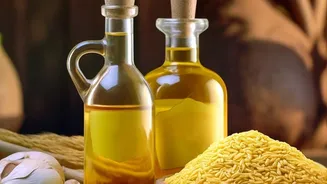
Travel south, and the culinary landscape shifts to the rich, nutty aroma of sesame oil, also known as gingelly oil. A cornerstone of Tamil, Andhra, and Karnataka cuisines, it imparts a deep, earthy flavour that is unmistakable. Cold-pressed sesame oil is rich in antioxidants and healthy monounsaturated and polyunsaturated fats. It has a reasonably high smoke point, making it versatile for tempering spices, light sautéing, and stir-frying. The combination of sesame oil, mustard seeds, and curry leaves forms the foundational 'tadka' for countless South Indian recipes.
Classic Creations with Sesame Oil
Sesame oil's unique character shines in many beloved South Indian dishes. 'Puliyogare' (tamarind rice) gets its signature complex flavour from a spice mix fried in sesame oil. In Tamil Nadu, no plate of idli is complete without a side of 'podi' (a dry lentil and spice powder) mixed with a generous pour of raw sesame oil to form a thick, aromatic dip. It's also the preferred oil for making tangy tamarind-based curries like 'Vatha Kuzhambu', where its flavour deepens the spicy and sour notes of the dish. Many vegetable stir-fries, known as 'poriyals', are tempered using sesame oil, which adds a nutty finish to the fresh vegetables.