



Mahalaya: The Spiritual Overture (October 10)
While the main festivities begin a week later, Mahalaya marks the true spiritual start of the Durga Puja season. On this day, which falls on Saturday, October 10, 2026, the city awakens before dawn to the sound of the Mahishasuramardini, a collection
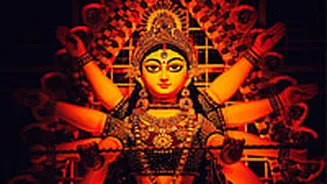
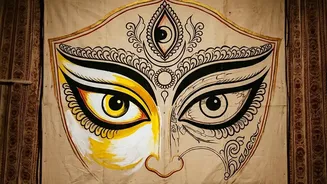
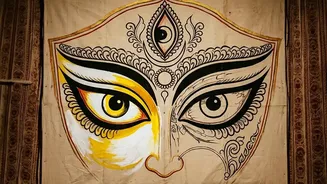
of sacred chants and hymns that have been broadcast on the radio for decades. It signifies the end of Pitri Paksha, a period of remembrance for ancestors, and the beginning of Devi Paksha, heralding the goddess's arrival on Earth. For artisans, this is also the day they traditionally paint the eyes on the idols of Goddess Durga in a ritual known as Chokku Daan, symbolically bringing her to life. While not a day for pandal hopping, Mahalaya sets a deeply moving and atmospheric tone for the week ahead.
Maha Sasthi: The Festivities Begin (October 16)
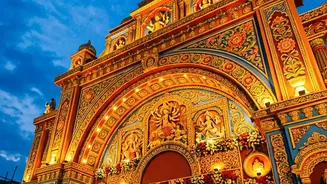
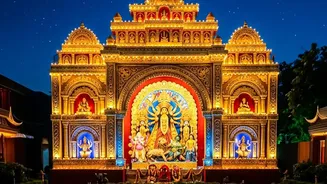
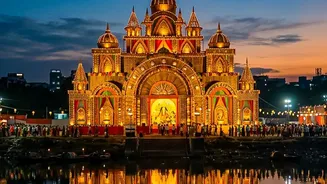
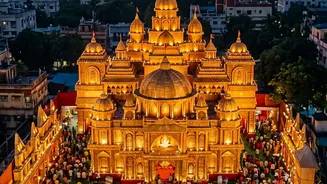
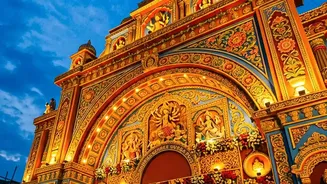
The official start of the five-day carnival, Maha Sasthi, falls on Friday, October 16, 2026. This is the day the city truly transforms. In the evening, pandals across Kolkata will perform the 'Bodhon' ritual, which involves awakening and welcoming the goddess into the beautifully crafted idols. Following this, the faces of the deities are unveiled for the public. For visitors, Sasthi evening is the first real opportunity to begin pandal hopping. The crowds are still manageable compared to the days that follow, making it a great time to appreciate the intricate artwork and themed decorations of the pandals before the peak rush begins. The energy is palpable as the city gears up for the main days of worship.
Maha Saptami: The Rituals Take Centre Stage (October 18)
Though the lunar timings begin on the 17th, the main celebrations for Maha Saptami will take place on Sunday, October 18, 2026. The day starts with a significant pre-dawn ritual called 'Nabapatrika Snan', where a banana plant, representing nine forms of the goddess, is bathed in the river and placed beside the idol of Ganesha. This ceremony, also known as 'Kola Bou Snan', formally marks the beginning of the puja rituals. From Saptami onwards, the pandals are in full swing, with pujas performed, devotional music playing, and food stalls serving festive delicacies. The crowds swell significantly as this is the first full day of celebration for most people.
Maha Ashtami: The Climax of the Puja (October 19)
Monday, October 19, 2026, is Maha Ashtami, widely considered the most auspicious and significant day of Durga Puja. The morning is defined by 'Pushpanjali', where thousands of devotees, often fasting, gather at pandals to offer flowers to the goddess while chanting mantras. It’s a powerful, unifying experience. Another key ritual is the 'Kumari Puja', performed at locations like Belur Math, where a young girl is worshipped as a living embodiment of the divine feminine. The day's spiritual high point is the 'Sandhi Puja', a 48-minute ritual performed at the exact transition between the end of Ashtami and the beginning of Navami. This ceremony, lit by 108 lamps, commemorates the moment the goddess transformed into her fierce Chamunda form to slay demons, making it one of the most dramatic moments of the entire festival.
Maha Navami: The Grand Feast (October 20)
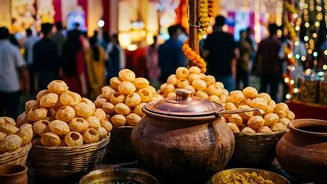
Maha Navami, on Tuesday, October 20, 2026, is the final day of worship and is celebrated with great fervour. After the morning rituals, which often include a 'Maha Homa' or sacred fire ceremony, the day transitions into a grand celebration. This is the peak day for feasting, as pandals serve extensive 'bhog' (food offered to the deity and then distributed). It is also the last opportunity for all-night pandal hopping, and the streets of Kolkata are at their most vibrant, filled with people soaking in the festive atmosphere for one last time before the farewell. The mood is one of joyous celebration mixed with a hint of nostalgia for the impending departure of the goddess.
Vijayadashami: A Bittersweet Farewell (October 21)
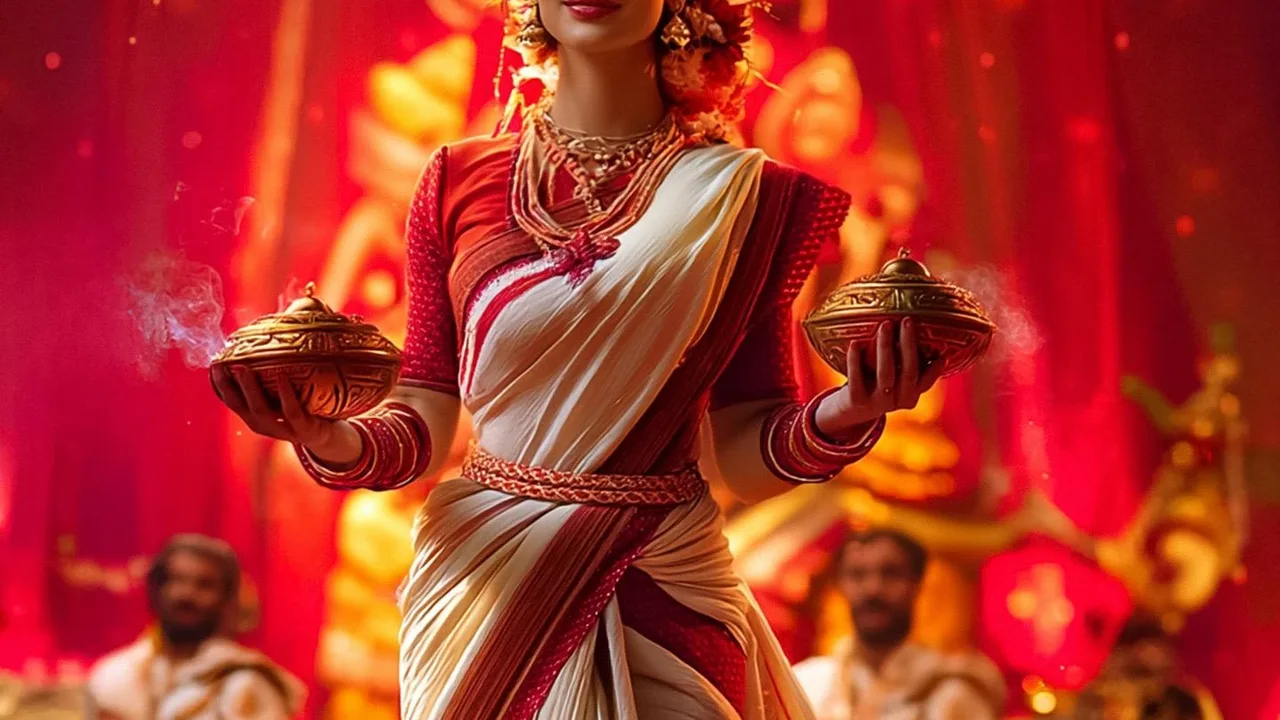
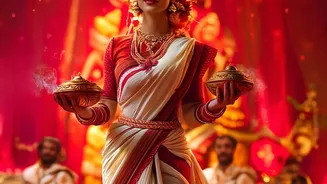
The festival culminates on Wednesday, October 21, 2026, with Vijayadashami, which marks the victory of good over evil. The day is defined by two powerful traditions. The first is 'Sindur Khela', a beautiful and poignant ritual where married women smear vermilion powder on the goddess's idol and then on each other, wishing for a long and happy married life. This “vermilion play” transforms the sad moment of farewell into a colourful celebration of sisterhood and womanhood. Following this, grand processions carry the idols to the river Ganges for 'Visarjan' or immersion. Watching the statues being ceremoniously returned to the water, accompanied by drum beats and chants of 'Aasche bochhor abar hobe' (It will happen again next year), is an emotional and unforgettable end to the festivities.