


The Joy and Hazard of Monsoon Walks
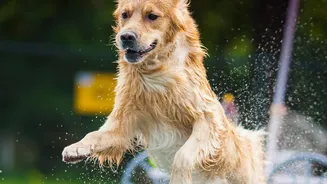
For many dogs, the arrival of the monsoon is a cause for celebration. The cooler weather and exciting new smells make walks more enjoyable, and the temptation to splash through a fresh puddle is often too much to resist. While this playful behaviour is a joyful
sight, stagnant water and mud can be breeding grounds for harmful bacteria and parasites. These microorganisms thrive in warm, moist environments, making the rainy season a high-risk period for certain infections. Understanding these risks is the first step toward ensuring your furry companion can enjoy the season safely.
Leptospirosis: The Puddle-Dwelling Danger
One of the most significant threats lurking in contaminated water is leptospirosis, a serious bacterial infection. The bacteria, called Leptospira, are often spread through the urine of infected animals, particularly rodents, which are common in both urban and rural areas. During the monsoon, rain washes this bacteria into puddles, streams, and waterlogged areas. Your dog doesn't even need to drink the water; infection can occur simply by walking through it, as the bacteria can enter the body through small cuts on their paws or even through the skin. Early symptoms can be vague and easily missed, including fever, lethargy, vomiting, and loss of appetite. If left untreated, leptospirosis can lead to severe kidney and liver damage, and can be fatal. It is also a zoonotic disease, meaning it can be transmitted to humans.
Gastrointestinal Woes from Contaminated Water
Beyond leptospirosis, puddles and muddy water can also harbour parasites that cause severe gastrointestinal distress. Giardia is a common microscopic parasite that causes an illness known as giardiasis. Dogs become infected by swallowing the parasite when drinking from contaminated puddles, streams, or even by licking their paws after walking through a contaminated area. The most common sign of a giardia infection is foul-smelling diarrhoea, which can be accompanied by vomiting, weight loss, and lethargy. Similarly, other parasites like cryptosporidium and coccidia can also be present in stagnant water, leading to similar unpleasant digestive issues for your pet.
Skin Infections and Fungal Threats
The constant dampness of the monsoon season creates the perfect environment for skin problems. If your pet's fur remains wet for long periods, it can lead to acute moist dermatitis, commonly known as 'hot spots'. Additionally, the combination of mud and moisture can trap dirt and debris against the skin, leading to bacterial or fungal infections. One particularly nasty organism found in stagnant water is Pythium insidiosum, a fungus-like organism that can cause pythiosis. This can manifest as non-healing skin lesions if the organism enters an open wound, or as a severe gastrointestinal disease if ingested. The skin form involves itchy, ulcerated lumps that can be very destructive.
A Monsoon Safety Checklist for Pet Parents
Protecting your pet doesn't mean locking them indoors until the sun comes out. With a few simple precautions, you can minimise the risks. First, talk to your veterinarian about vaccination. A vaccine is available for leptospirosis and is highly recommended, especially for dogs who spend a lot of time outdoors. Always provide fresh, clean drinking water for your pet, and carry a water bottle for them on walks to discourage them from drinking from puddles. After every walk, thoroughly clean and dry your pet's paws and underbelly. This simple step can wash away harmful microbes and allows you to check for any cuts or ticks. Finally, keep your pet's bedding and living area clean and dry to prevent fungal growth.