




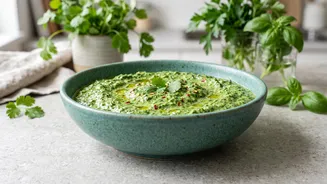

In most Indian kitchens, fresh coriander, or dhaniya, is the final touch—a fresh, green flourish sprinkled over a finished dish. But to limit this versatile herb to a mere garnish is to miss out on its deep, aromatic potential.
Make a Flavourful Green Paste
One of the best ways to
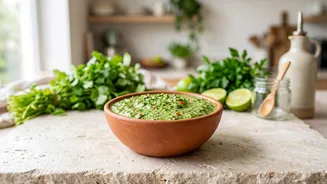
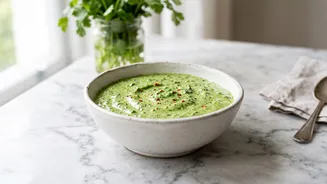
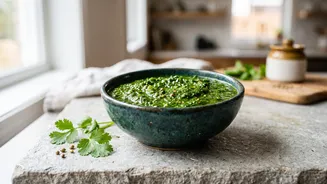
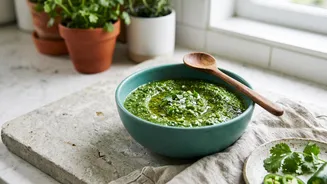
infuse a dish with the soul of coriander is to make it the foundation. Instead of a sprinkle, use a whole bunch to create a vibrant green paste. This can serve as the base for curries, marinades, or even a flavour booster for dals. Simply blend a large handful of fresh coriander leaves and tender stems with ginger, garlic, and green chillies. This paste can be sautéed with onions at the beginning of the cooking process to build a complex flavour profile for dishes like coriander chicken. For marinades, this green paste works wonders on paneer, chicken, or fish, tenderising the protein and infusing it with a fresh, herbaceous taste.
Don’t Throw Away the Stems
Often discarded, coriander stems are where the herb’s flavour is most concentrated. They are tougher than the leaves but soften beautifully when cooked, releasing a potent, earthy aroma. Finely chop the stems and add them to your tadka along with mustard seeds, cumin, and garlic. This simple addition elevates the flavour of any dal or sabzi. You can also toss chopped stems into soups, stocks, or gravies as they simmer, allowing them to lend their deep flavour to the entire dish. They provide a more robust and less delicate flavour than the leaves, which is perfect for slow-cooked recipes.
Create the Ultimate Dhaniya Chutney
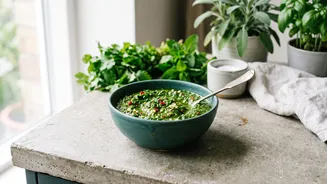
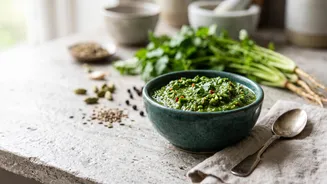
While dhaniya chutney is a household name, it deserves to be more than just a side dip. A well-made coriander chutney can be a star ingredient. For a classic green chutney, blend coriander leaves and stems with green chillies, ginger, lemon juice, and a pinch of salt and sugar. Peanuts or roasted chana dal can be added for a thicker, creamier texture that prevents the chutney from becoming watery. This versatile condiment can be spread in sandwiches, drizzled over chaat, or mixed with yoghurt to create a refreshing dip for kebabs and tikkas.
Unlock the Power of Coriander Seeds
The seeds of the coriander plant offer a completely different flavour profile—warm, nutty, and citrusy. To unlock their full potential, always toast whole coriander seeds in a dry pan over medium heat for a few minutes until they become fragrant. Once toasted, you can grind them into a powder. This freshly ground powder is far superior to any pre-packaged version and is a key component in many Indian spice blends, including the classic dhana-jeera powder (coriander and cumin). Use ground coriander in marinades, spice rubs, or as a finishing spice for vegetable dishes and curries. The whole toasted seeds can also be used in pickling brines or added to the tempering for dals and vegetable preparations.
Infuse Oils and Soups
Coriander's aromatic oils can be extracted to flavour other ingredients. Gently heat a neutral oil and add a handful of crushed coriander stems and leaves. Let it infuse on low heat without letting it burn. Once cooled and strained, this fragrant oil can be used as a drizzle over salads, grilled vegetables, or even popcorn for a unique twist. Similarly, coriander can be the star of a light, flavourful soup. A classic carrot and coriander soup, for instance, blends the sweetness of the vegetable with the fresh zest of the herb. You can also make a simple coriander rasam by boiling the stems with tamarind, tomatoes, and spices for a comforting and aromatic broth.