




The Golden Age of 'More is More'
Just a few years ago, the beauty world was captivated by the intricate, multi-layered Korean skincare routine. It promised a flawless, 'glass skin' complexion through a meticulous ten-step process that often included a double cleanse, exfoliator, toner,
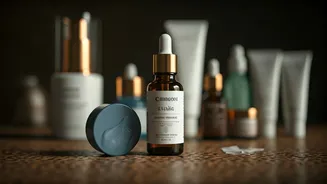
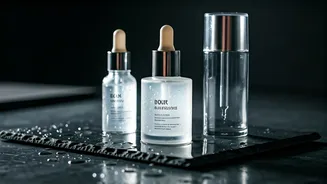
essence, serum, sheet mask, eye cream, moisturiser, and sunscreen. This philosophy turned daily skincare into a ritual of self-care, encouraging a deeper engagement with products and ingredients. Social media was flooded with 'shelfies' showcasing impressive product line-ups, and the message was clear: dedication and a dozen products were the keys to perfect skin. This trend taught consumers about active ingredients and the importance of layering, but for many, it also became overwhelming, expensive, and time-consuming.
Enter 'Skinimalism': The Less-is-More Revolution
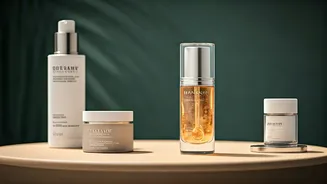
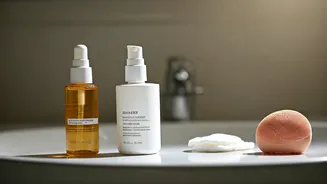
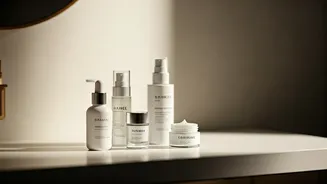
The pendulum is now swinging in the opposite direction. 'Skinimalism,' a blend of 'skin' and 'minimalism,' is the defining trend of 2026. It champions a pared-back approach, focusing on fewer, more effective products that deliver multiple benefits. This isn't about neglect; it's about being intentional. Instead of an army of bottles, a skinimalist routine might feature a gentle cleanser, a hybrid serum-moisturiser, and a non-negotiable sunscreen. The goal is to embrace your natural skin texture rather than hiding it under layers of product. This shift is driven by a desire for authenticity, sustainability, and efficiency in a fast-paced world.
The Rise of the Multi-Tasking Hero Product
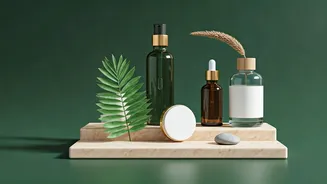
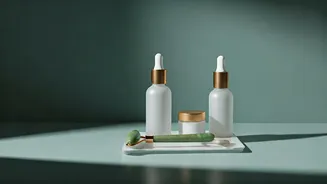
At the heart of skinimalism is the multi-purpose or hybrid product. These are sophisticated formulations designed to do the work of several products at once. Think of a moisturiser with built-in SPF and antioxidants, a foundation infused with hydrating hyaluronic acid and pore-refining niacinamide, or a serum that combines brightening vitamin C with barrier-supporting ceramides. These products save time, reduce cabinet clutter, and are often more cost-effective. They also align with growing consumer interest in sustainability by reducing packaging waste. The innovation lies in creating synergistic blends where ingredients work together to enhance each other's effects without causing irritation.
What Do Dermatologists Think?
Many skin experts are championing this simplified approach. Dermatologists frequently see patients with irritated, sensitised skin, not from neglect, but from 'over-care'. Using too many products, especially those with potent active ingredients, can compromise the skin's natural protective barrier, leading to redness, dryness, and even breakouts. Experts stress that a healthy routine for most people only requires three core steps: cleansing, moisturising, and protecting with sunscreen. Targeted treatments can be added as needed, but the foundation should be simple and consistent. The consensus is that quality and consistency trump quantity every time.
Is a Simple Routine Right for You?
Deciding between a maximalist and minimalist routine is personal. If you enjoy the ritual of a longer routine and your skin is thriving, there's no need to change. However, if your 10-step regimen feels like a chore, your skin is easily irritated, or you're looking to save time and money, simplification could be the answer. A minimalist routine is particularly beneficial for those with sensitive skin or conditions like rosacea and eczema, as it reduces the risk of reactions. For Indian skin, which often deals with humidity, pollution, and pigmentation, a minimal approach can prevent clogged pores and irritation while delivering effective results. The key is to listen to your skin and choose products with proven ingredients that address your specific concerns.