



The Right Plant, The Right Pot
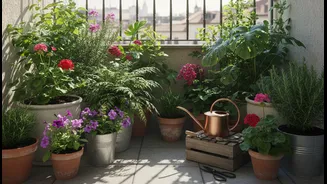
Success begins before you even bring a plant home. Not every plant is suited for a balcony, which can be a harsh microclimate of wind and intense sun. Start by assessing your sunlight. An east-facing balcony with gentle morning sun is perfect for herbs
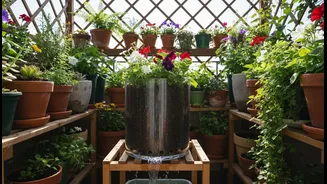
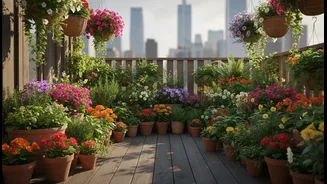
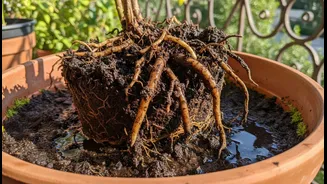
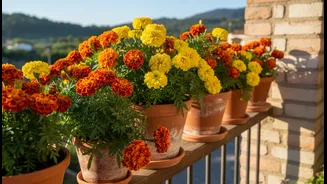
and leafy greens, while a south-facing spot suits sun-lovers like hibiscus or bougainvillea. North-facing balconies with less light can still host ferns and snake plants. Just as important is the container. A pot that's too small will restrict root growth and dry out quickly. Always choose containers with drainage holes to prevent waterlogging, which can rot roots. While terracotta pots are classic, they dry out fast; lightweight plastic or fiberglass pots retain moisture better and are easier to move.
The Art of Watering
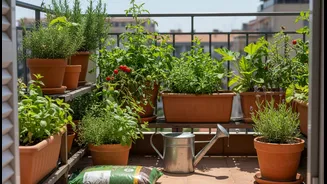
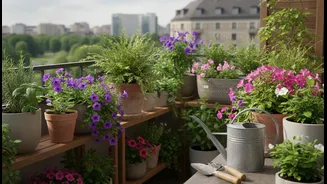
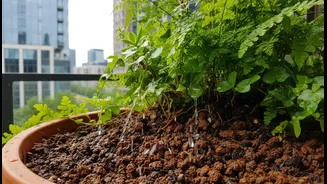
Watering is the most crucial—and most misunderstood—task in balcony gardening. Balcony plants are exposed to more wind and heat, causing soil to dry out faster than in a traditional garden. The rule of thumb is the "knuckle test": stick your finger into the soil up to your first knuckle. If it feels dry, it's time to water. During hot summer months, this might mean watering once or even twice a day. Water plants deeply in the early morning, allowing the water to soak through until it runs out of the drainage holes. This encourages deep root growth. Avoid watering the foliage directly, as this can lead to fungal diseases. Using a watering can with a long spout helps direct water to the soil where it's needed most.
The Constant Need for Food
Plants in the ground can seek out nutrients, but container plants are entirely dependent on you. Every time you water, you flush essential nutrients out of the pot. Even the best potting mix will be depleted within four to six weeks. To keep your plants vigorous and productive, a regular feeding schedule is essential. A simple approach is to mix a slow-release fertilizer into your potting soil at the beginning of the season. This provides a steady baseline of nutrition. Supplement this by using a water-soluble liquid fertilizer every two to four weeks during the growing season. Organic options like compost or vermicompost are also excellent for enriching the soil.
Pest and Disease Patrol
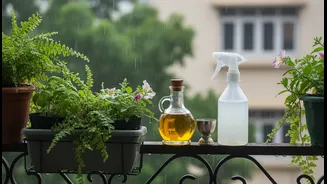
Small spaces can unfortunately mean that pest problems spread quickly. The best defence is a good offence. Regularly inspect your plants, paying close attention to the undersides of leaves where pests like aphids and spider mites hide. At the first sign of trouble, act. Many common pests can be dislodged with a strong spray of water. For more persistent issues, a simple solution of mild liquid soap and water is often effective. Neem oil spray is a fantastic organic option for controlling a wide range of pests and diseases. You can also practice companion planting: placing herbs like basil, mint, or marigolds among your other plants can naturally repel many common insects.
Grooming for Growth
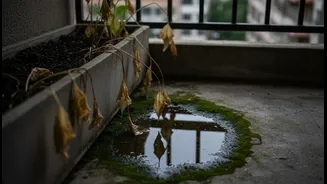
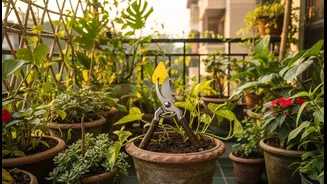
Regular tidying up isn't just for aesthetics; it's vital for plant health. Make it a weekly habit to remove any yellowing or dead leaves, and pinch off spent flowers, a process known as deadheading. This encourages the plant to put its energy into producing new blooms and leaves rather than seeds. Don't be afraid to prune plants that are becoming overgrown or leggy. Trimming back overly vigorous stems can promote bushier, healthier growth and prevent one plant from overpowering its neighbours in a mixed container. Regularly removing weeds is also critical, as they compete with your plants for water and nutrients.