




The First Line of Defence: The Crew
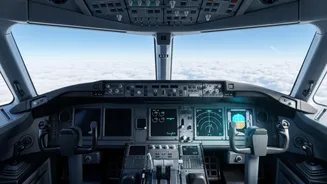
In any commercial airliner, the first and most critical safety feature is the presence of two highly trained pilots. This redundancy is the bedrock of cockpit safety. In the rare event that one pilot becomes incapacitated—whether due to a sudden medical
issue or more subtle impairment—the other pilot is trained to take immediate and decisive control. The first step is simple and direct: The remaining pilot will announce, “I have control,” take over the aircraft, and engage the autopilot to reduce their workload. This allows them to focus on assessing the situation, communicating with air traffic control, and planning the next steps, which almost always involves diverting to the nearest suitable airport for medical assistance.
Training for the Unthinkable
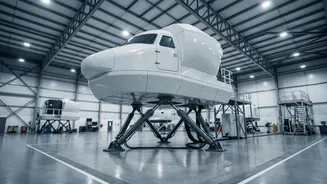
Pilots and cabin crew don't just learn these procedures from a manual; they live them in high-fidelity simulators. This training, known as Crew Resource Management (CRM), was born from accident analyses in the 1970s and is now a global standard. CRM transforms a group of individuals into a cohesive team, teaching them to communicate effectively, challenge decisions respectfully, manage workload, and maintain situational awareness, especially under stress. Pilots repeatedly practice incapacitation scenarios, learning to recognise subtle signs of a problem in their partner, from a lack of response to unusual behaviour. This constant practice ensures that responding to a crisis becomes second nature, replacing panic with procedure.
The Role of the Intelligent Aircraft
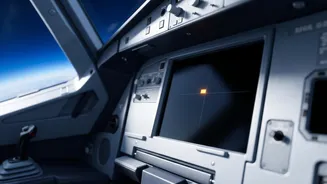
Modern aircraft are not passive vehicles; they are active partners in ensuring safety. Advanced autopilot and flight management systems can handle much of the routine work of flying, from navigating a pre-programmed route to maintaining altitude and speed. In an emergency like pilot incapacitation, these automated systems are invaluable. The remaining pilot can use the autopilot to fly the plane safely while they manage the crisis. Some aircraft are even equipped with autoland capabilities that can perform a complete landing in low visibility, significantly reducing a single pilot's workload during the most critical phase of flight. In some smaller, newer aircraft, systems like Garmin's Autoland can even detect an unresponsive pilot, declare an emergency, find the nearest suitable airport, and land the plane with no human intervention.
An All-Hands-on-Deck Emergency
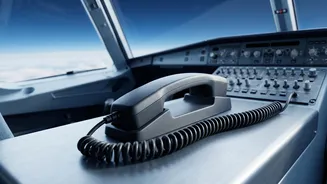
A cockpit crisis is not just a pilot's problem; it involves the entire crew. Once the remaining pilot has stabilized the aircraft, they will alert the cabin crew, often with a special signal. The lead flight attendant will come to the cockpit to assist. Their training includes procedures for moving the incapacitated pilot out of their seat to prevent them from interfering with the controls and administering first aid. One flight attendant may be asked to remain in the cockpit to assist the pilot with non-flying duties like reading checklists. Meanwhile, the rest of the cabin crew prepares the cabin for a potential emergency landing and communicates with passengers, demonstrating how safety relies on teamwork across the entire aircraft.
Different Philosophies, Same Goal
While safety is the universal goal, manufacturers like Airbus and Boeing have slightly different philosophies on the interplay between pilot and machine. Airbus aircraft are known for their 'hard protections', where the flight control system will prevent a pilot from making inputs that would exceed the plane's structural or aerodynamic limits. Boeing's philosophy, on the other hand, traditionally gives the pilot the ability to override the automated systems, believing the human pilot must always have final authority. Despite these differences, both approaches are designed to create multiple layers of protection. They represent two different paths to the same destination: using technology to support and safeguard the human crew who are ultimately responsible for the flight.