



Beyond the Diwali Boom
While Diwali remains the undisputed giant of festive commerce, brands are realising that the shopping season is no longer a single, concentrated spike. The calendar is now a continuous wave of regional celebrations, from Onam in Kerala and Ganesh Chaturthi
in Maharashtra to Durga Puja in Bengal. More than half of festive season creator collaborations now happen outside of Diwali. This shift is largely driven by younger consumers who are digitally engaged with their local cultures. Brands are increasingly targeting these specific festivals with tailored campaigns, recognising that a one-size-fits-all national strategy is no longer effective. This creates multiple, smaller peaks in demand throughout the year, benefiting local economies and smaller businesses that cater to specific traditions.
Digital Discovery Meets Traditional Taste
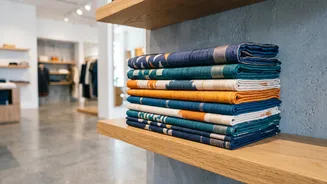
For Gen Z, who now account for nearly 40% of all online shoppers, the path to purchase almost always begins online. They use social media platforms like Instagram and YouTube not just for entertainment, but as primary tools for product discovery and inspiration. However, this digital-first approach doesn't mean a departure from tradition. Instead, technology is used to find and reinterpret it. Young shoppers are driving a resurgence in ethnic wear by styling it in modern ways, pairing kurtas with denim or lehengas with crop tops, a trend amplified by social media influencers. Brands are tapping into this by using regional and micro-influencers who have stronger credibility within local communities, moving away from relying solely on celebrity endorsements.
From Big Spends to Smart, Values-Driven Choices
Unlike previous generations, today’s young shoppers are not defined by unchecked splurging. Their approach is more strategic and purpose-driven. They are adept at finding deals, comparing prices, and using Buy Now, Pay Later (BNPL) options for bigger purchases. But beyond price, their decisions are guided by values. There's a growing preference for sustainable products, eco-friendly practices, and supporting local artisans. This consciousness means they are not just buying a product; they are buying into a story and a set of ethics. Brands that highlight authenticity, craftsmanship, and community impact are finding a receptive audience among this demographic, who see their spending as a reflection of their social awareness.
The Rise of Quick Commerce and Experience
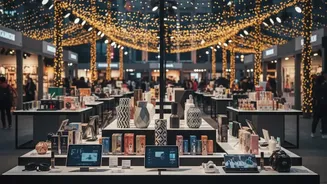
The definition of festival shopping itself is expanding. While fashion and electronics remain key categories, there is a clear pivot towards experiences and everyday consumption. Quick commerce platforms have become a major force, surging during festivals for last-minute needs like sweets, decorations, and gifts. This reflects a desire for convenience and spontaneity. At the same time, younger consumers are increasingly willing to spend on festive experiences, such as travel, special meals, and events, rather than focusing solely on material goods. This shift is pushing retailers to think beyond products and consider how they can contribute to the overall festive experience, whether through curated gift sets, convenient delivery, or by creating memorable in-store atmospheres. While online shopping is dominant, a majority of shoppers still prefer physical stores for the festive feel, creating a hybrid shopping journey.