






The Social Jetlag Effect
For many, the work week dictates an early start, while weekends offer a chance to sleep in. This mismatch between your body's natural sleep preference and your socially-imposed schedule is known as 'social jetlag'. It's a concept gaining significant attention
from scientists, who are uncovering its links to our health. Studies show that even a small shift, like a 90-minute difference in your sleep midpoint between workdays and free days, can be associated with noticeable changes inside your body. While we've known for a while that major sleep disruptions like shift work can impact health, this new focus reveals that smaller, more common inconsistencies in our sleep patterns matter, too.
What the Science Says About Gut Health
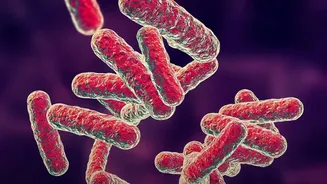
Several recent studies have drawn a direct line between this social jetlag and the composition of our gut microbiome. The gut microbiome is the community of trillions of bacteria and other microbes that live in our digestive tract, playing a crucial role in everything from digestion to immune function. Research from King's College London, as part of the ZOE PREDICT study, found that people with more social jetlag had different gut microbiome compositions compared to those with consistent sleep schedules. Specifically, they noted differences in the abundance of 17 different bacterial species. Similar findings have been observed in other cohorts, including adolescents and adults with obesity, where later chronotypes and irregular sleep were linked to distinct microbial profiles.
Unfavourable Bacteria and Inflammation
The concern is not just that the bacteria are different, but what those differences mean for our health. In the King's College study, some of the microbes found to be more abundant in the social jetlag group are considered 'unfavourable'. These types of bacteria have been previously associated with poor diet quality, obesity, and higher levels of inflammation. This suggests that an irregular sleep schedule could be promoting a gut environment that increases the risk for chronic conditions. For instance, late chronotypes have been associated with lower levels of beneficial bacteria like Akkermansia, which helps support the gut barrier, and higher levels of bacteria linked to inflammation.
The Chicken or the Egg: Diet's Role
This leads to a crucial question: is it the sleep schedule itself that changes the gut, or are other lifestyle factors at play? The evidence points to a strong connection with diet. Studies show that individuals with social jetlag often have poorer overall diet quality. They tend to consume more sugary drinks and potato products, while eating less fruit and nuts. These dietary habits directly influence which bacteria thrive in the gut. However, some research indicates that diet doesn't explain the whole picture, and that other unknown factors related to sleep timing itself could be influencing the microbiome. It's a complex, bidirectional relationship: your sleep pattern affects your food choices, and both in turn shape your gut health.
What Can We Do About It?
While scientists continue to explore the precise mechanisms, the takeaway is becoming clearer. Maintaining a consistent sleep pattern appears to be an important and adjustable lifestyle behaviour that can positively impact your gut microbiome. This doesn't necessarily mean every night owl needs to become a morning lark. Instead, the focus is on regularity. Aiming to go to bed and wake up around the same time each day, including on weekends, helps regulate your body's internal clock, or circadian rhythm. This consistency supports not just your gut, but your overall metabolic health. Experts suggest that aligning your sleep and even your meal times with your body's natural rhythm is a powerful tool for well-being.