






What Are Low-Impact Workouts?
Low-impact exercise is any physical activity that minimizes stress and pressure on your joints, particularly your knees, hips, and spine. Unlike high-impact activities like running or jumping, these workouts ensure at least one foot remains on the ground,
reducing the jarring force on your body. The goal is to get your heart rate up and strengthen your muscles without the pounding. This makes them an ideal starting point for beginners, individuals with joint pain, or anyone looking for a more sustainable way to stay active. The benefits are significant: you can improve cardiovascular health, build muscle, and enhance flexibility, all while lowering the risk of injury.
Gentle Workouts to Get You Started
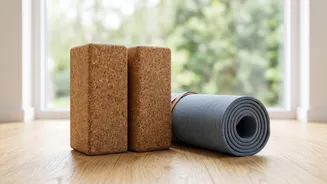
You don't need complex equipment or a gym membership to begin. Some of the most effective low-impact exercises are simple and accessible. Walking is a powerful choice, improving heart health and muscle tone just by varying your pace. Swimming provides a full-body workout where the water's buoyancy supports your joints. Cycling, whether on a stationary or traditional bike, strengthens your legs and core. You might also explore yoga or Pilates, which focus on building core strength, balance, and flexibility through slow, controlled movements.
Soreness vs. Pain: Know the Difference
When you start a new routine, some discomfort is normal. This is often Delayed Onset Muscle Soreness (DOMS), which feels like a dull, generalized ache in the muscles you worked. It typically appears 12 to 48 hours after exercise and improves within a few days. Pain that signals a potential injury is different. It's often sharp, stabbing, and localized to a specific spot, sometimes near a joint. This kind of pain might happen suddenly during your workout and can be accompanied by swelling, bruising, or a limited range of motion. A helpful rule of thumb is that soreness feels like your muscles worked hard, while injury pain feels like something is wrong. If pain is sharp, sudden, or doesn't go away, it's time to stop and rest.
How to Manage Fatigue and Stay Motivated
Feeling tired is your body's natural response to new physical demands, but you can manage it. Start with shorter sessions, perhaps 15 to 20 minutes, and gradually increase the duration as you get stronger. Don't underestimate the power of rest; scheduling recovery days is crucial for muscle repair and preventing burnout. Proper fuel is also key. Eat a balanced meal a couple of hours before exercising and a protein-rich snack afterward to aid recovery. Staying hydrated throughout the day is equally important for preventing muscle fatigue. If you feel bored, try mixing up your activities to keep things interesting. The goal is consistency, not intensity, especially in the beginning.
Learning to Listen to Your Body
Ultimately, the most important skill you can develop is listening to your body. This means paying attention to its signals without judgment. Before a workout, check in with your energy levels. During exercise, notice your breathing, muscle sensations, and overall feeling. Are your muscles feeling challenged in a good way, or strained? Do you need a water break? Honoring these cues—whether it's slowing down, taking a break, or choosing a gentler activity for the day—is not a sign of failure. It's a sign of intelligence that helps you build a healthy, long-term relationship with exercise, ensuring you have the energy to keep showing up.