





Why Tokyo Can Be Expensive
Tokyo consistently ranks among the world's most expensive cities, and while the cost of living for residents is a key factor, tourists feel the pinch too. The city's reputation for high costs stems primarily from accommodation and premium experiences.
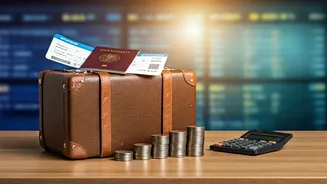
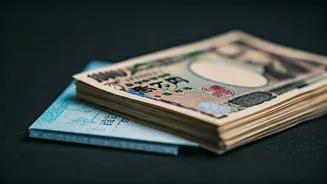
However, the perception of Japan being prohibitively expensive is often compared to other Asian destinations rather than major Western hubs like New York or London, against which Tokyo can sometimes offer better value. The fluctuating value of the yen also plays a massive role; a weaker yen makes the city more affordable for international visitors, but this can change. For Indian travellers, a typical mid-range trip for about a week can cost between ₹1,50,000 and ₹2,50,000 per person.
Flights and Accommodation
Your two biggest expenses will almost certainly be getting there and staying there. Round-trip flights from India to Tokyo can range from ₹45,000 to ₹80,000 or more, depending on how far in advance you book and the time of year. Accommodation is the next major hurdle. While budget options like hostels and capsule hotels exist for around ₹3,000-₹5,000 a night, most travellers will opt for mid-range business hotels, which average between ₹7,000 and ₹15,000 per night for a clean but compact room. Luxury hotels can easily exceed ₹40,000 per night. Booking a few months in advance, especially outside of peak seasons like the cherry blossom period, can lead to significant savings.
Navigating the Metropolis
Tokyo's public transport is a marvel of efficiency, but the costs can add up. A single subway ride costs between ¥170 and ¥320 (about ₹100-₹180). For tourists, a 72-hour subway pass can offer good value if you plan to do a lot of sightseeing within the city. A common question for travellers in Japan is the value of a Japan Rail (JR) Pass. Following significant price hikes, the nationwide JR Pass is no longer an automatic choice for those staying only in Tokyo. Individual tickets are often cheaper for travel just within the city and its immediate surroundings. Taxis are notoriously expensive and best avoided for long distances, with a late-night surcharge of 20% adding to the cost.
Eating Well on a Budget
One of Tokyo's saving graces is that you can eat exceptionally well without spending a fortune. While Michelin-starred sushi and elaborate kaiseki dinners can cost a small fortune, daily food expenses can be managed. A budget traveller can get by on about ₹2,000-₹3,000 per day by taking advantage of convenience stores ('konbini'), which offer high-quality prepared meals, noodle shops serving delicious ramen for under ₹600, and supermarket bento boxes that are often discounted in the evening. A mid-range daily food budget might be around ₹4,000-₹6,000, allowing for a mix of casual restaurants and one nicer meal.
The Hidden Costs
What often derails a travel budget are the small, unforeseen expenses. In Japan, these can include ATM withdrawal fees, luggage forwarding services between cities (a convenient but added cost), and coin lockers at stations. At some traditional pubs, or 'izakayas', you may find a non-negotiable cover charge called 'otoshi', which includes a small appetizer. Many temples and shrines, while appearing free from the outside, require an entrance fee. Also, as of July 2026, Japan has significantly increased visa fees and departure taxes, adding another layer to the overall cost. It's wise to build a buffer of 10-15% into your budget for these miscellaneous expenses.