



Pack Like a Pro
Your packing strategy is your first line of defence against the rain. Forget heavy cottons and denim, which take forever to dry. Instead, opt for lightweight, synthetic, and quick-drying clothes. Moisture-wicking fabrics are your best friend, keeping
you comfortable even in high humidity. A reliable, lightweight raincoat is non-negotiable, and a sturdy, wind-resistant umbrella is great for shorter walks. When it comes to footwear, leave the cute-but-impractical shoes at home. Pack waterproof boots or sandals with a good grip to navigate slippery surfaces safely. It's also wise to pack extra pairs of socks to avoid the discomfort of wet feet, which can lead to fungal infections.
Waterproof Your World
Keeping your belongings dry is just as important as keeping yourself dry. Start with a waterproof backpack or use a reliable rain cover for your existing bag. For extra protection, use waterproof packing cubes or resealable plastic bags to separate wet clothes from dry ones and to shield your electronics and important documents like passports. A waterproof phone case can be a lifesaver, especially if you get caught in a sudden, heavy downpour. Consider lining your main luggage with a large plastic bag before you start packing as an added layer of security against moisture seeping in.
Plan for Indoor Adventures
A rainy day is a perfect opportunity to explore the indoor culture of your destination. Before you even leave, research a few weather-proof activities. This could include visiting local museums, art galleries, or historical sites. Many destinations have vibrant indoor markets that offer a feast for the senses. A rainy day is also a great excuse for a culinary tour; book a cooking class to learn local recipes or settle in for a long, leisurely meal at a highly-rated restaurant. Having a list of appealing indoor alternatives means a change in weather feels like a new opportunity, not a setback.
Prioritise Health and Safety
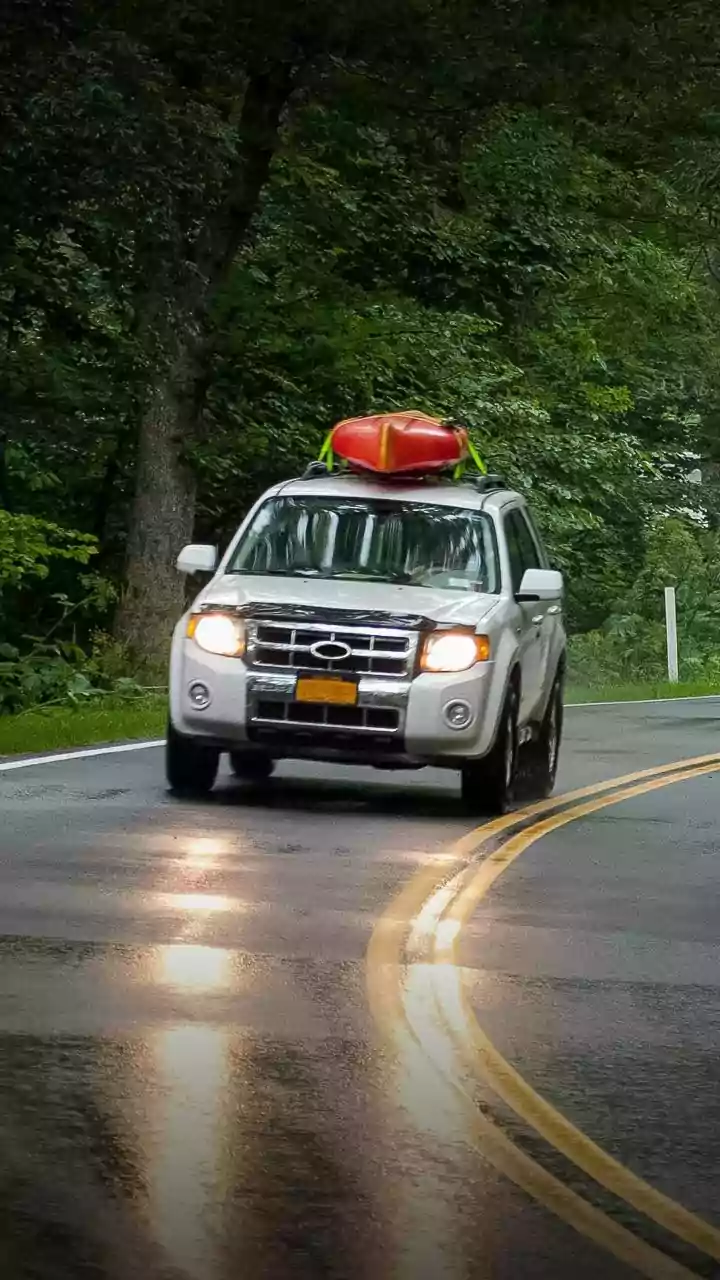
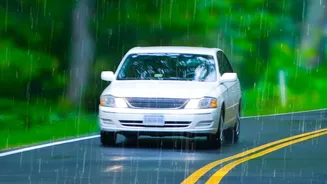
Travelling in the rainy season requires a bit more vigilance. Mosquitoes are more prevalent, so a strong insect repellent is a must-have. Water contamination can also be a risk, so stick to bottled or boiled water and be cautious with street food that may have been exposed to the elements. Always carry a basic first-aid kit with essentials like antiseptic wipes, bandages, and any personal medications. Wet roads can be hazardous, so if you're driving, slow down and maintain a safe distance from other vehicles. Be aware of your surroundings, especially in areas prone to flooding or landslides, and always follow local safety advisories.
Embrace the Elements
Sometimes, the best approach is to lean into the experience. The monsoon season can transform landscapes, making them incredibly lush and green. Waterfalls are often at their most spectacular after a good rain. If you're dressed appropriately, a walk in a light drizzle can be incredibly atmospheric and a chance to see your destination without the usual crowds. Fewer tourists and lower off-peak prices are often perks of travelling during the wetter months. A rainy day also provides the perfect excuse to slow down. Curl up in a cozy café with a book, plan your next move, or simply watch the world go by from your window.
Don't Forget Key Gadgets
A few key electronics can make a huge difference during a rainy trip. A portable power bank is essential, as heavy rains can sometimes lead to power cuts, and you'll want to keep your devices charged for navigation and communication. Silica gel packs, often found in new shoe boxes or bags, can be thrown into your luggage to help absorb excess moisture and combat humidity. If you're an avid reader, an e-reader is more practical than paper books. Finally, a portable flashlight or a headlamp can be invaluable, especially if you're staying in a more remote area where power outages might be more frequent.