
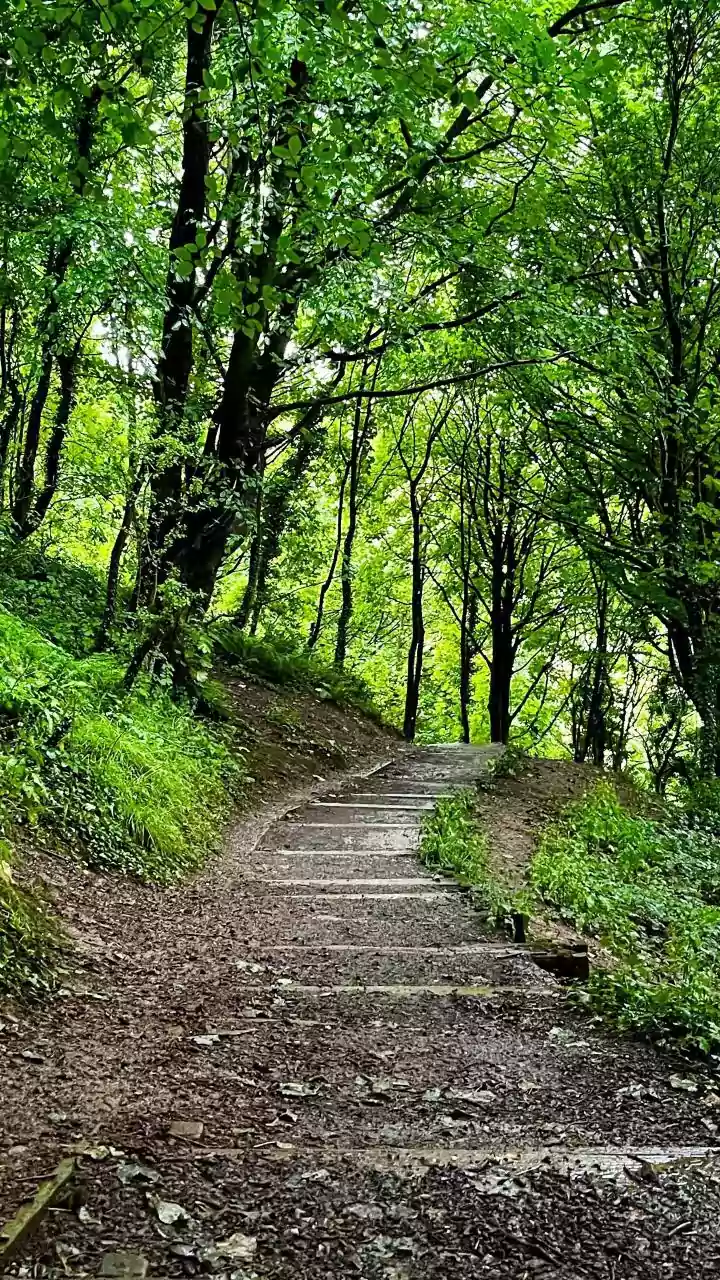
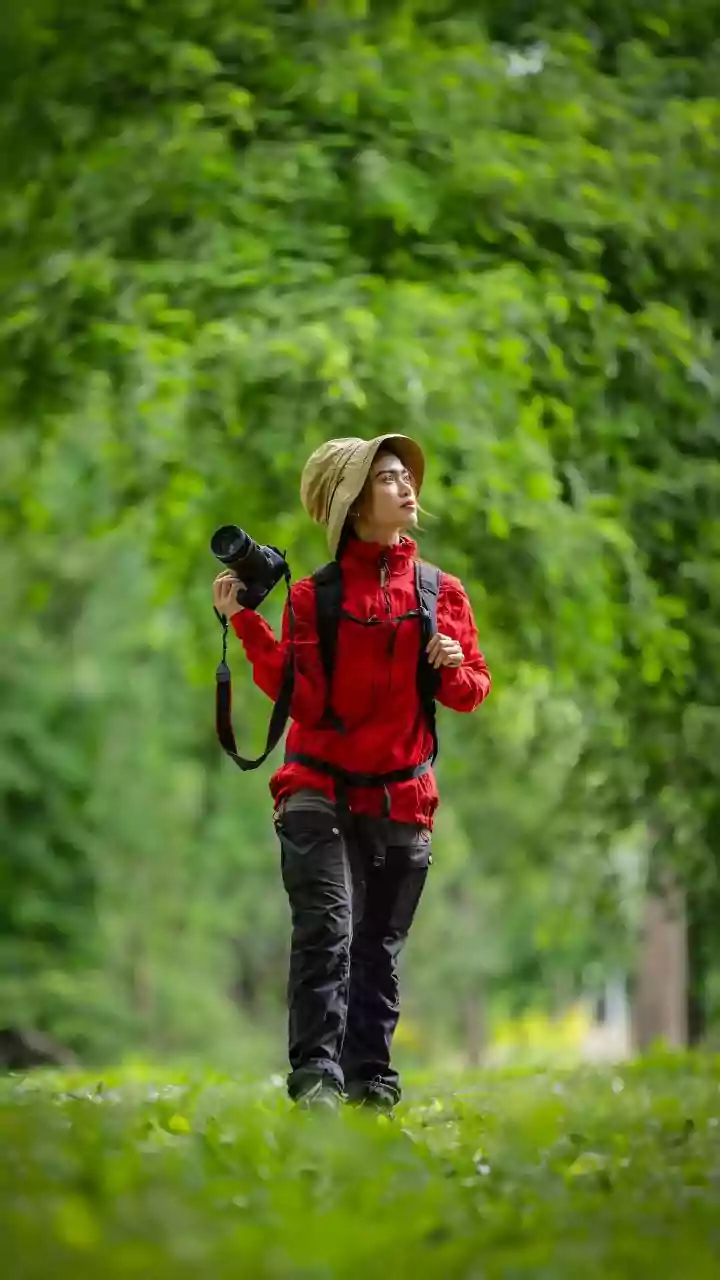


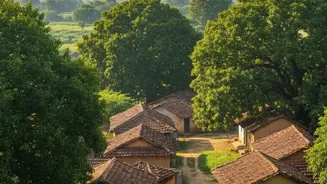
Imagine waking up to the sounds of the forest, far from city noise. In Chhattisgarh, a network of simple, clean, and affordable eco-lodges in forest villages is making this experience accessible to all, blending sustainable travel with authentic culture.
An Authentic Welcome to the Wild
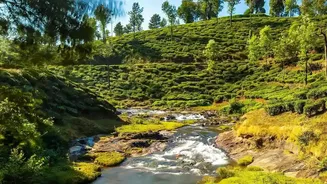
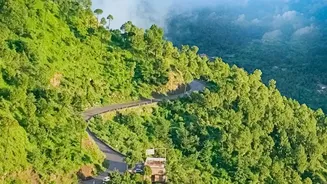
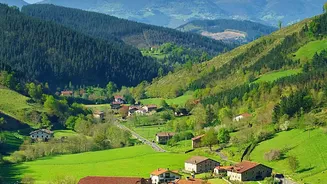
Deep within the lush landscapes of Chhattisgarh, a quiet revolution in tourism is taking place. The state, known for its dense forests that cover nearly 44% of its area, is fostering a unique model of hospitality: simple, community-run eco-lodges and homestays. These are not five-star resorts but something far more valuable for the conscious traveller—an authentic gateway into the heart of India’s wilderness. The Chhattisgarh government, through its tourism and forest departments, has been promoting community-based tourism to empower local and tribal populations. This initiative ensures that tourism revenue directly benefits the villagers, providing them with sustainable livelihoods and a strong incentive to conserve their natural heritage. Stays are available in and around key protected areas like Barnawapara Wildlife Sanctuary, Achanakmar Tiger Reserve, and in the culturally rich Bastar region.
What 'Simple and Clean' Really Means
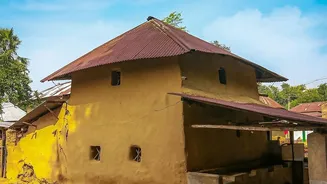
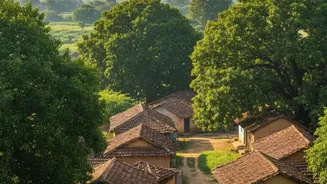
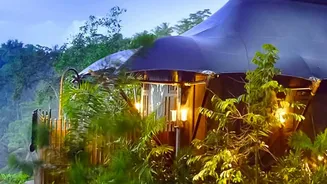
The lodges are designed to merge with their natural surroundings, often built using local materials and traditional architectural styles. 'Simple' here translates to a focus on essentials: comfortable beds, basic furniture, and a deep connection to the outdoors. While you might not find luxury amenities, you will find clean, well-maintained rooms and modern toilet facilities. For example, the Hareli Eco Resort near Barnawapara offers eco-friendly cottages with modern amenities, while Jabarra Homestay in Bastar provides an immersive experience living with a local Gond family. The emphasis is on disconnecting from the clutter of modern life and reconnecting with nature. The hospitality is warm and personal, often with the host families themselves sharing stories and making you feel like a part of their community.
More Than a Room: The Eco-Tourism Experience
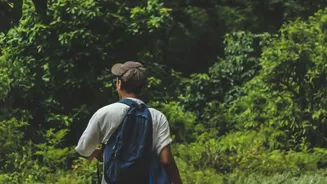
Staying in these lodges is about the entire experience, not just the accommodation. It’s an opportunity for a soulful vacation that goes beyond typical sightseeing. Guests can join guided nature walks to learn about medicinal plants, go on birdwatching trails, or embark on jungle safaris to spot wildlife like leopards, Indian gaur, and reintroduced blackbucks. In places like Manjhipal village within the Kanger Valley National Park, local youth now work as professional guides and rafting operators, offering unique adventures like bamboo rafting on the serene Kanger River. The food is another highlight—fresh, organic, and home-cooked meals that give you a true taste of local and tribal cuisine, often made with vegetables grown in a backyard garden.
Community Empowerment and Sustainability
This model of tourism is deeply rooted in sustainability and community benefit. By choosing these stays, travellers directly contribute to the local economy, helping to curb migration from villages and preserve traditional ways of life. The Chhattisgarh government has actively supported this through its Homestay Policy, which provides financial aid and training in hospitality and hygiene to rural families. This ensures that the economic benefits of tourism are decentralised, flowing to village households and women’s self-help groups rather than being concentrated in large commercial hotels. It creates a powerful cycle where tourism supports conservation, and a thriving environment attracts more visitors.
Planning Your Forest Village Stay
Planning a trip to one of these eco-lodges requires a bit of research, as they are often in remote locations. Accommodation options range from government-run resorts like the Hareli Eco Resort at Barnawapara and Baiga Resort at Achanakmar to private homestays. Prices are generally budget-friendly, with stays at Hareli starting from around ₹2,300 for a basic room. Bookings for many government facilities can be made through the Chhattisgarh Tourism Board website. For homestays like Jabarra, connecting with local travel outfits such as Unexplored Bastar can provide a seamless experience. It’s advisable to book well in advance, especially during peak seasons from November to March. Remember that connectivity can be limited, so be prepared to be offline and truly immerse yourself in the experience.