



Why Soil Is the Monsoon Hero
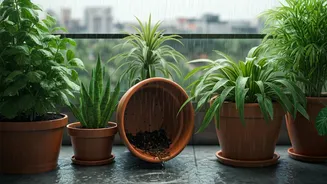
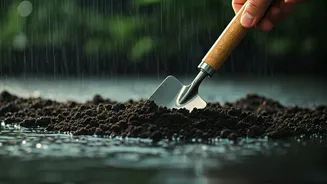
During the monsoon, the biggest threat to your plants is not a lack of water, but an excess of it. When soil becomes waterlogged, it suffocates plant roots by cutting off their oxygen supply. This creates the perfect environment for root rot, a fungal
disease that can quickly prove fatal to even the hardiest plants. Heavy rains can also compact the soil, making it difficult for roots to grow and absorb nutrients. Furthermore, the constant downpour can wash away essential nutrients from the soil, leaving your plants weak and vulnerable. A well-prepared soil mix is your primary line of defence, ensuring proper drainage and aeration to keep roots healthy and strong.
Assess Your Current Potting Mix
Before the heavy rains set in, it's time to play detective with your pots. Take a close look at your existing soil. Does water pool on the surface for a long time after watering? Does the soil feel heavy and dense like clay? These are signs of poor drainage. Gently dig a few inches into the soil; if it feels soggy and compacted, it's a clear signal that your plants are at risk. For potted plants, check that the drainage holes at the bottom are not blocked by roots or hardened soil. A simple poke with a screwdriver or a stick can clear any obstructions and dramatically improve drainage. If you notice yellowing leaves or a funky smell from the pot, root rot may already be setting in.
Creating the Perfect Monsoon Soil Blend
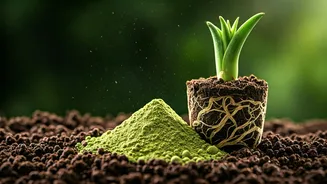
Creating a well-draining soil mix is easier than it sounds. The goal is to make the soil lighter and more porous. Garden soil alone is often too heavy for containers. A reliable recipe for the monsoon is a mix of garden soil, compost or vermicompost, and a material to improve aeration. Experts often recommend a blend of cocopeat, compost, and perlite or coarse river sand. A good starting ratio could be 50% cocopeat for moisture retention, 20-30% compost for nutrients, and 20-30% perlite or sand for drainage. For the rainy season, it's wise to increase the proportion of perlite or sand to enhance drainage even further. Adding a handful of neem cake powder can also help prevent fungal infections that thrive in the damp conditions.
Practical Drainage Solutions
Beyond the soil mix itself, a few physical adjustments can make a world of difference. Elevating your pots using bricks or dedicated plant stands is a simple yet highly effective way to ensure excess water can escape freely from the drainage holes. If you use saucers under your pots to protect surfaces, make sure to empty them within 30 minutes of watering or rain to prevent the plant from sitting in stagnant water. For garden beds, creating raised beds can lift the plants above the waterlogged ground. You can also improve the structure of your garden soil by incorporating organic matter like compost, which helps create a looser, more aerated texture.
Rethink Your Watering Schedule
It might seem counterintuitive, but you still need to monitor your plants' water needs during the monsoon. Overwatering is a major risk. Don't stick to a rigid schedule; instead, check the soil before you water. A good rule of thumb is to stick your finger about an inch into the soil. If it feels dry, it's time to water. If it's still damp from the rain, leave it alone. When you do water, try to do it in the morning so the leaves have time to dry during the day, which helps discourage fungal growth.
Beyond Soil: Other Monsoon Must-Dos
While soil is the foundation, a few other tasks will complete your monsoon care routine. Prune any dead or damaged branches to improve air circulation around your plants, which helps prevent disease. Keep an eye out for pests like slugs and snails, which are more active in the damp weather. The high humidity also makes this the best time to propagate new plants from cuttings. Finally, because the rain can wash nutrients away, consider feeding your plants with a liquid organic fertilizer every few weeks to replenish what's lost and support their rapid growth.