
The Towel-Drying Foundation
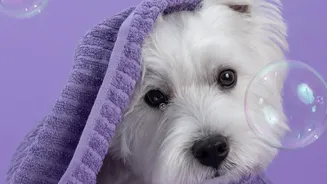
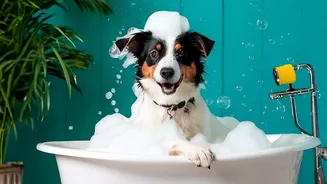
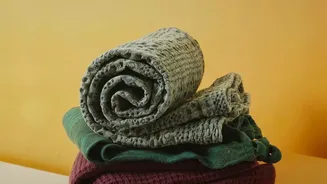
Before reaching for any kind of dryer, the first step for every dog is a proper towel-dry. The goal is to absorb as much water as possible. For this, highly absorbent microfiber towels are more effective than standard cotton bath towels. The technique
is critical: instead of rubbing vigorously, which can cause tangles and matting, especially in long-haired breeds, gently press or blot the fur. Squeeze the excess water out of the coat, working from the head down to the tail. This gentle pressing motion wicks moisture away without irritating the skin or creating knots. Focusing on areas that hold more water, like the belly, paws, and ears, will make any subsequent drying much faster.
Short and Smooth Coats
Breeds like Beagles, Boxers, and Greyhounds have coats that are low-maintenance when it comes to drying. Because their fur is short and lies close to the body, it doesn't trap much water. For these dogs, a thorough towel-dry using the blotting method is often sufficient. Afterwards, you can let them air-dry in a warm, well-ventilated room. Unlike their long-haired counterparts, they are at a much lower risk for matting or developing skin issues from residual dampness, making the process straightforward.
The Double-Coat Challenge
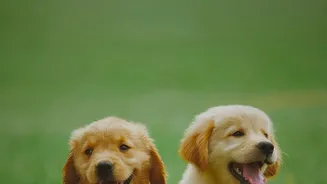
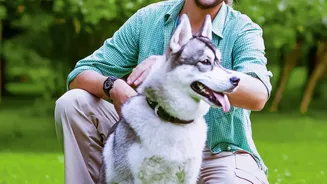
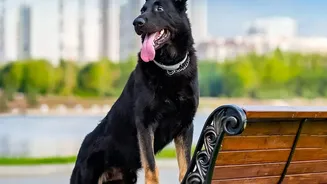
Dogs with double coats, such as Huskies, Golden Retrievers, and German Shepherds, require a more intensive approach. Their dense undercoat is designed to trap air for insulation, but it also traps water, making it a potential breeding ground for bacteria and hot spots if not dried completely. A towel-dry alone is not enough for these breeds. After blotting away as much surface water as possible, a high-velocity (HV) dryer is the best tool. These dryers use powerful airflow, not high heat, to blast water out of the undercoat. It’s essential to keep the nozzle moving and work in sections, blowing the hair in the direction of its growth to prevent tangles and ensure the undercoat is fully dry.
Long and Silky Coats
For breeds like Shih Tzus, Maltese, and Cocker Spaniels, the main goal is to prevent tangles and matting. Rubbing with a towel is a major cause of knots in these delicate coats. After a very gentle towel squeeze, a stand dryer or a handheld dryer on a low-heat, low-airflow setting is ideal. The key is to brush the coat gently with a slicker brush or pin brush as you dry, moving in the direction of hair growth. This technique, known as fluff or stretch drying, straightens the hair, prevents tangles from setting in, and leaves the coat with a smooth, polished finish.
Curly and Wiry Coats
Poodles and other curly-coated breeds have hair that can easily become knotted if not handled correctly. Like long-coated dogs, they benefit from a blotting towel-dry. When using a dryer, the goal is to dry the coat without creating frizz or breaking the curl pattern. Professional groomers often use a technique where they blow-dry the coat while brushing from root to tip to get all the loose hair out. Using a dryer with a diffuser can also help distribute the air more gently. For wiry coats, like those on many terriers, you can direct the airflow with the growth of the coat to help it lay flat and maintain its texture.
A Note on Safety
Never use a human hairdryer on a high-heat setting. A dog’s skin is more sensitive than ours, and high heat can easily cause burns or lead to overheating. The noise and force of some dryers can also be stressful, so it's important to introduce any new tool slowly and watch for signs of discomfort like heavy panting or trembling. The focus should always be on airflow rather than heat to ensure a safe and comfortable experience. If you're using any type of dryer, always keep it moving and never concentrate it on one spot for too long.