





The Quest for Guilt-Free Indulgence
The chocolate aisle looks different these days. Alongside the familiar classics, you'll find a growing number of bars, cookies, and bites proudly displaying their protein content. This isn't an accident; it's a direct response to a massive shift in consumer
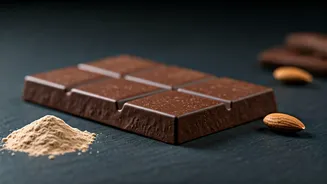
behaviour. As people become more health-conscious, they are looking for ways to make their favourite treats work harder for them. Protein has become the star macronutrient, valued for its ability to keep you feeling full, support muscle health, and provide sustained energy. Food brands have taken note, leading to the “proteinification” of everything from breakfast cereals to ice cream. Chocolate is the perfect vehicle for this trend. Its rich flavour is excellent at masking the sometimes chalky or vegetal taste of added proteins, such as whey or pea protein. This allows companies to create a product that satisfies a craving for something sweet while also delivering a dose of functional nutrition, creating the ultimate guilt-free indulgence.
A Booming Market in India
This trend is rapidly gaining momentum in India, where the functional foods market is experiencing significant growth. Reports project the Indian market to expand considerably, fueled by a growing middle class, rising disposable incomes, and increased awareness of lifestyle-related health issues. This has created a huge opportunity for brands to innovate. Major companies and startups alike are launching protein-fortified products, from chocolate bars and biscuits to traditional snacks given a modern, healthy twist. The demand is not just limited to major metropolitan areas; Tier-2 cities are seeing even faster growth in protein-related purchases, indicating a nationwide shift in snacking habits. This premiumisation of snacks, where consumers are willing to pay more for added nutritional benefits, is a key driver of the trend.
Reading Between the Labels
While a protein-packed chocolate bar sounds like a win-win, it’s not that simple. Many of these snacks can be closer to candy bars than health foods. The key is to become a savvy label-reader. The first thing to check is the sugar content. Adding protein doesn’t magically erase sugar, and many bars contain high amounts to improve taste. Nutritionists suggest aiming for snacks with less than 8 grams of added sugar per serving. Next, look at the amount and type of protein. A snack should ideally have at least 10-15 grams of protein to be considered a good source. High-quality sources like whey or milk protein are often recommended. Be wary of bars where sugar is one of the first few ingredients. Finally, consider the overall ingredient list. Some bars are loaded with artificial sweeteners, sugar alcohols (like maltitol or sorbitol), and unhealthy fats, which can cause digestive issues and detract from the health benefits.
The Verdict: Snack or Treat?
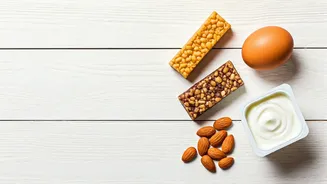
So, are protein chocolates a healthy snack? The answer is: it depends. Compared to a standard chocolate bar, a well-formulated protein version is likely a more nutritious choice, offering greater satiety and functional benefits that help keep you full longer. They can be a convenient option when you need a quick bite on the go or a post-workout refuel. However, they should not be seen as a replacement for whole foods. Real food sources of protein like Greek yoghurt, nuts, or eggs offer a wider range of nutrients without the added sugars and processed ingredients found in many packaged snacks. Think of protein chocolate as a strategic indulgence. When you’re craving a treat, choosing one with a solid protein count and low sugar can be a smarter decision that aligns with your health goals. But for daily snacking, unprocessed, natural foods remain the gold standard.