
What is a Portion-First Routine?
A portion-first routine is a simple but powerful concept: instead of deciding how much to eat when you're serving a meal, you decide on portions when you buy or prepare your food. It’s a proactive approach to food management. This means when you return
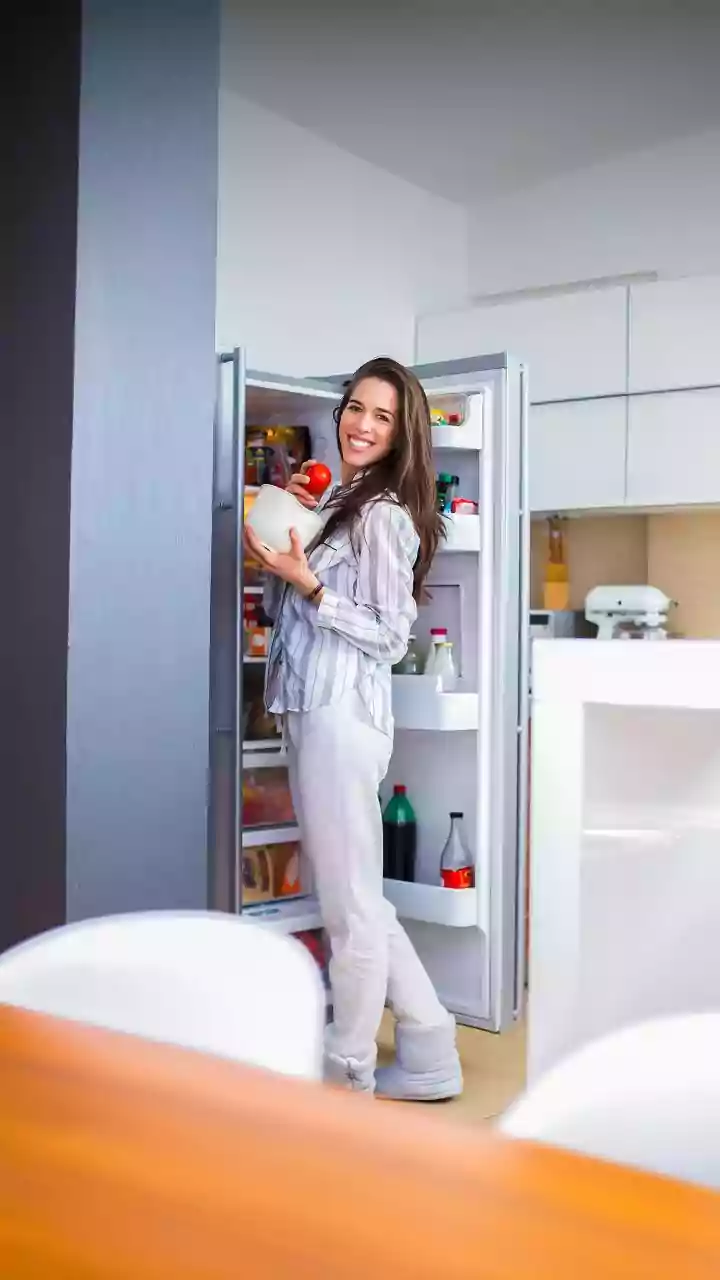
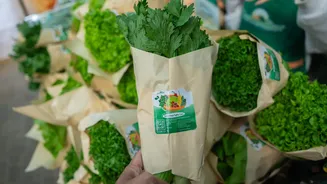
from the market, you don't just put everything away. You take a few extra minutes to divide ingredients into the amounts you'll need for future meals. That bulk pack of chicken becomes several meal-sized packets. That large bunch of coriander is chopped and stored for specific dishes. By portioning first, you transform your fridge and pantry from a collection of bulk ingredients into a library of ready-to-use components. This mindset shift from 'store it all' to 'store for use' is the foundation of a less wasteful and more efficient kitchen.
The Double Win: Less Waste, Better Taste
The most immediate benefit is a dramatic reduction in food waste. When food is portioned based on realistic meal sizes, you use only what you need, keeping the rest sealed and fresh. An estimated 20 percent of consumer food waste comes from confusion or letting things spoil. Portioning helps prevent this by making you mindful of how much you have and how it will be used. The second benefit is improved food quality. Every time you open a large container, you expose the entire contents to air and potential contaminants, which accelerates spoilage. Smaller, individually sealed portions remain untouched and fresher for longer. Freezing food in single-serving containers also prevents the quality loss that comes from thawing and refreezing a large block of food just to use a small amount. This means better flavour, better texture, and more enjoyable meals.
From Market to Meal: A Step-by-Step Guide
Implementing a portion-first routine is straightforward. It begins with planning. Before you shop, have a rough idea of the meals you'll cook for the next few days. This allows you to buy what you need and avoid impulse purchases that often go to waste. When you get home, the prep work begins. Wash and chop vegetables, then divide them into containers or bags for each planned meal. If you buy meat in a large pack, separate it into single-meal portions before refrigerating or freezing. Grains and lentils can also be pre-measured into recipe-specific quantities. This initial time investment pays off throughout the week. When it’s time to cook, you simply grab the pre-portioned ingredients, significantly cutting down on prep time and making weekday cooking far less stressful.
Smart Storage for Lasting Freshness
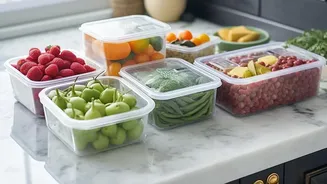
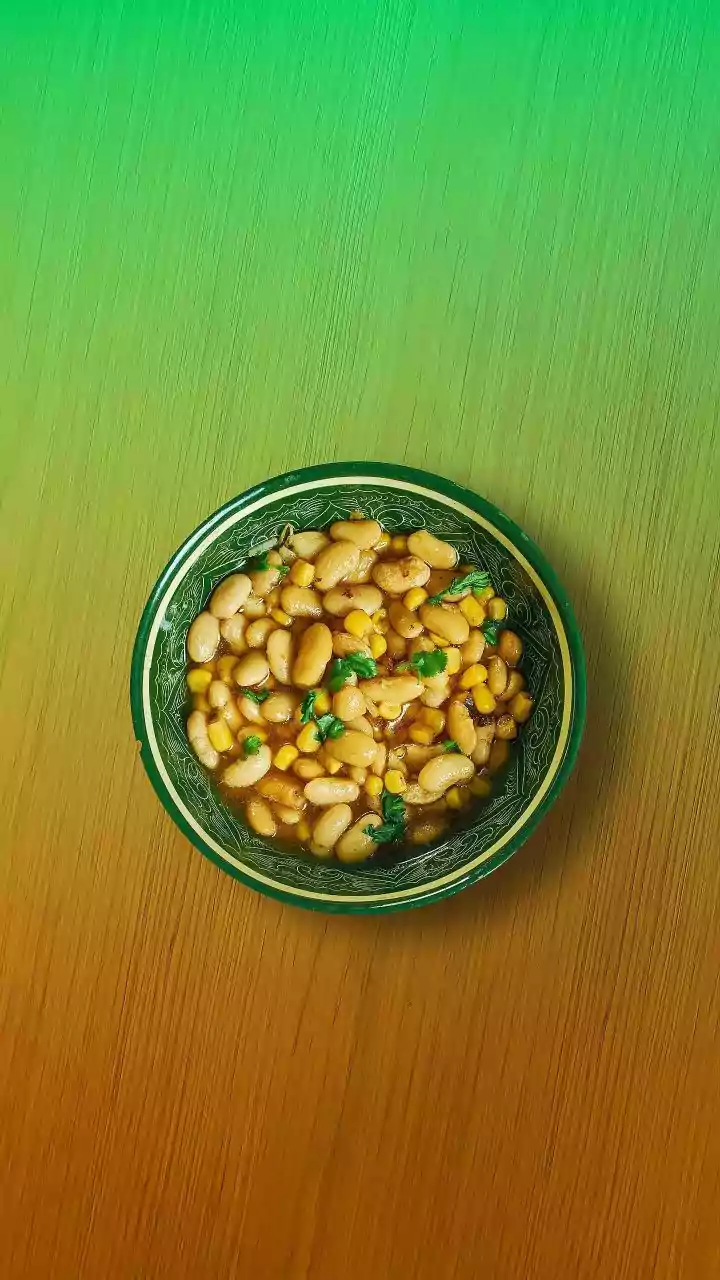
Effective portioning relies on smart storage. Using clear containers is a game-changer, as it allows you to see exactly what you have at a glance, preventing items from getting lost in the back of the fridge. Labelling is your other best friend. Always write the contents and the date on your portioned containers. This helps you use older items first, following a “first in, first out” system that is crucial for minimising spoilage. For freezing, use freezer-safe bags or containers and try to remove as much air as possible to prevent freezer burn. Dividing items like soups, dals, or curries into single-serving containers makes for quick and easy meals later on. You only need to thaw what you plan to eat, preserving the quality of the rest.
Portioning Cooked Food and Leftovers
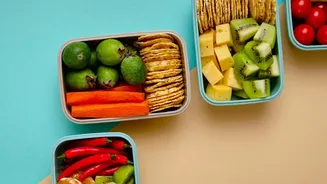
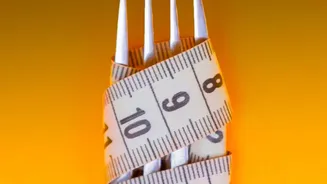
The portion-first principle extends beyond raw ingredients to cooked food. When you batch cook for the week, divide the final dishes into ready-to-eat meal containers right away. This is not only great for meal prep but also helps control serving sizes, which can support health and wellness goals. Instead of letting leftovers linger in a large pot in the fridge, immediately pack them into single-serving containers. This makes them an easy choice for the next day's lunch and prevents them from becoming a forgotten science experiment. If you know you won't eat the leftovers within a day or two, freeze them. Properly stored, a portioned leftover can become a lifesaver on a busy night when you don't have the energy to cook from scratch.