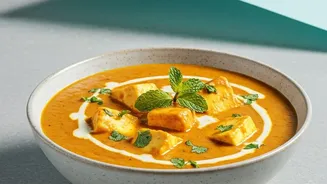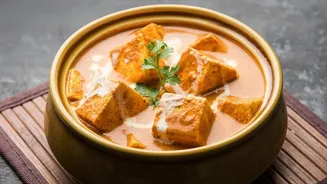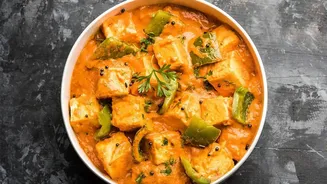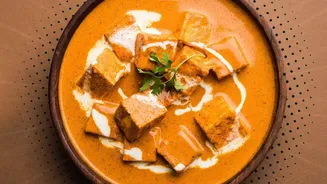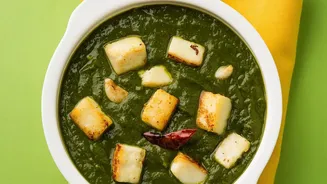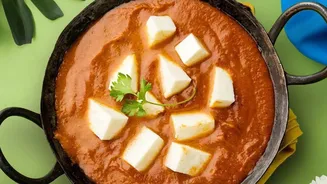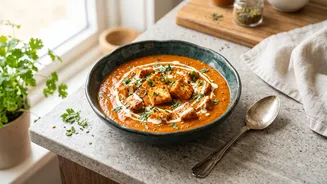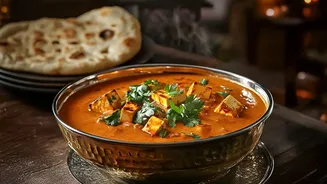


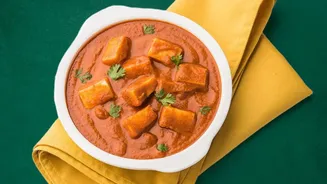
Ever wonder why the paneer gravy at your favourite restaurant is so rich and creamy, a feat seemingly impossible to replicate at home? The secret isn't magic, but a few simple techniques. Let’s unlock those kitchen doors and reveal the hacks.
Master the Gravy Base
The soul
of any great paneer dish is its gravy, and restaurants perfect this by creating a flavourful base. This often involves slowly sautéing a paste of onions, ginger, and garlic until it turns golden brown. To this, a tomato and cashew paste is added. The key is patience; this mixture is cooked on low heat until it thickens and you can see oil separating at the edges. This slow cooking process, or 'bhuna,' is crucial for developing a deep, complex flavour that can't be rushed. Some chefs also use a blend of whole spices like bay leaves, cinnamon, and cloves to infuse the oil with aroma before anything else is added.
The Secret to a Silky, Smooth Texture
A grainy gravy is a common homemade disappointment. Restaurants achieve that signature velvety texture by using a powerful blender and then straining the puree. After cooking the onion-tomato mixture, let it cool completely before blending it into a fine paste. For an even smoother finish, pass this paste through a fine-mesh sieve to remove any remaining fibres from tomatoes or whole spices. Another trick is to use nuts; soaking cashews in warm water for about 15-20 minutes before blending them with the tomatoes creates a natural, creamy thickener without making the gravy heavy.
Treat Your Paneer Right
The paneer itself is the star, and its texture can make or break the dish. Often, paneer becomes hard or rubbery when cooked. To avoid this, a simple hack is to soak the paneer cubes in warm water for 10-15 minutes before adding them to the gravy. This ensures the paneer stays soft and succulent. Most importantly, never overcook it. The paneer should be added at the very end, simmered gently for only two to three minutes just to warm it through. This allows it to absorb the flavours of the gravy without tightening up and becoming chewy.
Balancing Flavours Like a Pro
A great paneer gravy is a perfect balance of tangy, sweet, and savoury notes. The tang often comes from ripe tomatoes. If your tomatoes are too sour, a pinch of sugar can help balance the taste. Many restaurant recipes use both butter and cream, not just for richness, but to round out the flavours of the spices and tomatoes. Don't be afraid to be generous with fats like butter and ghee, as they are essential carriers of flavour.
The Irreplaceable Finishing Touch
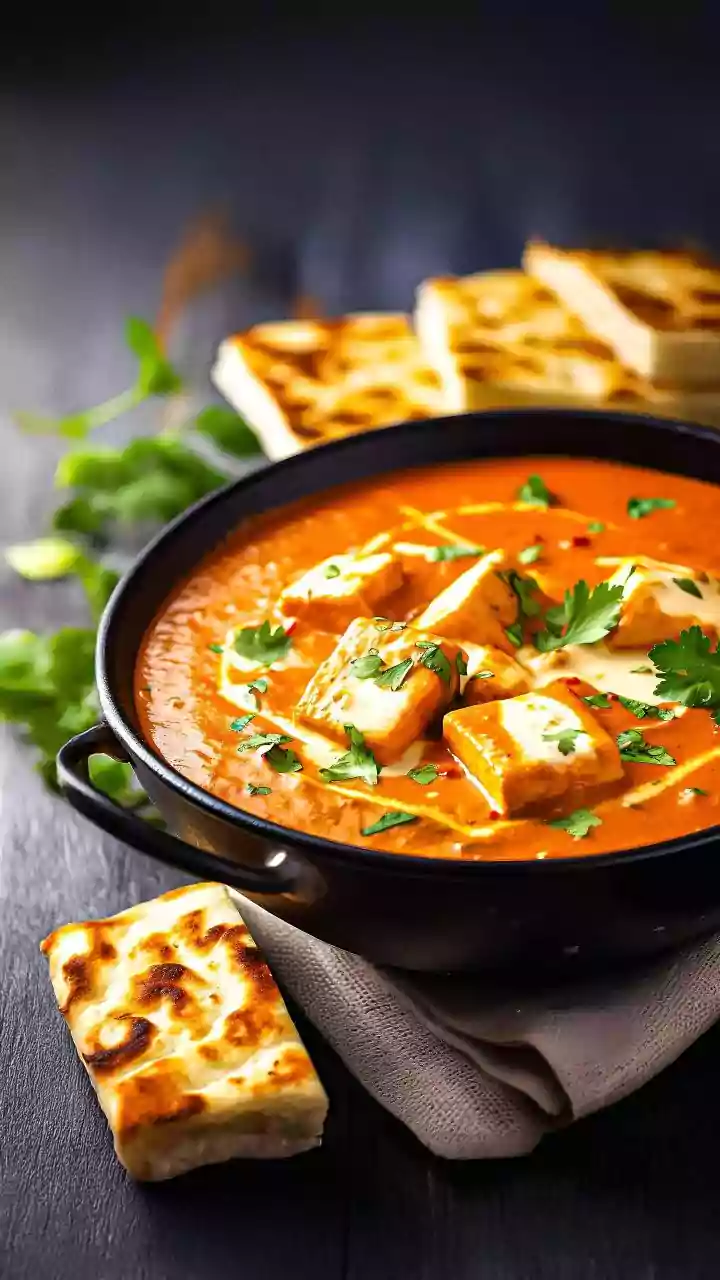
There are two ingredients that signal a dish is truly restaurant-'style': kasuri methi (dried fenugreek leaves) and a final swirl of cream. Kasuri methi provides a unique, aromatic, and slightly bitter note that elevates the entire dish. To get the most flavour, crush the dried leaves between your palms right before sprinkling them into the gravy during the last minute of cooking. Finally, a drizzle of fresh cream after turning off the heat adds a final layer of richness and a beautiful presentation. Some chefs even add a small cube of processed cheese for an extra creamy finish.
Achieving That Smoky 'Dhaba' Flavour
For a truly authentic touch, especially for dishes like Paneer Makhani, restaurants sometimes use a smoking technique called the 'Dungar method'. This involves heating a small piece of charcoal until it's red hot, placing it in a small steel bowl, and setting that bowl inside the pot of gravy. A little ghee or oil is poured over the hot coal, and as it starts to smoke, the pot is covered for a couple of minutes. This infuses the gravy with a subtle, smoky aroma that is difficult to achieve otherwise and is often the missing element in home-'cooked versions.