
Mark Your Calendar: Key Dates for 2026
Krishna Janmashtami will be celebrated on Friday, September 4, 2026. This is the main day of fasting and celebration, culminating in the midnight birth rituals at the Shri Krishna Janmabhoomi Temple. The Ashtami Tithi (the eighth day of the lunar calendar)
begins in the early hours of September 4th and concludes just after midnight on September 5th. The following day, September 5th, is celebrated as Nandotsav, marking the festivities at the home of Krishna's foster father, Nanda. For planning purposes, treat the 4th and 5th of September as one extended period of celebration and travel disruption.
Strategic Travel and Accommodation
Booking your travel and stay well in advance is non-negotiable. Accommodation in Mathura and nearby Vrindavan, from budget-friendly dharamshalas to hotels, gets fully booked weeks, if not months, ahead of the festival. For a slightly more peaceful base, consider staying in Mathura and traveling to Vrindavan for specific events. The nearest major airport is in Delhi (around 160 km away), with another in Agra (around 70 km away). Mathura Junction is a major railway station with excellent connectivity. However, expect all trains and roads, especially the Yamuna Expressway, to be exceptionally busy. To avoid the worst of the traffic, plan to arrive at least a day or two before September 4th.
Navigating the Main Temple Zones
The epicenters of the celebration are the Shri Krishna Janmabhoomi Temple in Mathura and the Banke Bihari Temple in Vrindavan. Local authorities implement significant traffic diversions and crowd control measures, including vehicle restrictions in the core temple zones. Be prepared to walk the final stretch to the temples or use designated e-rickshaws from outer parking areas. To manage the crowds, avoid visiting the main temples during peak evening hours (6 PM to 1 AM). A better strategy is to visit during the relatively calmer morning or afternoon for darshan. Trying to visit multiple major temples on Janmashtami night itself is nearly impossible due to the sheer volume of people.
The Midnight Celebration: A Test of Patience
The midnight 'abhishek' (ritual bathing of the idol) at the Krishna Janmabhoomi is the spiritual pinnacle of the festival. However, this is also when the crowds are at their absolute densest. If you are determined to witness it, arrive in the early evening to secure a spot, but be prepared for long waits in tightly packed conditions. For families with children or elderly members, a safer and more comfortable option might be to watch the proceedings on local television or visit the temple on Nandotsav, the following day, when the crowds are more manageable. Many temples, like ISKCON in Vrindavan, also hold their own beautiful midnight celebrations that can be a powerful alternative.
Essential Safety and Practical Tips
Your safety is paramount. Keep your belongings secure and be wary of pickpockets, which are common in such large gatherings. It's advisable not to carry valuables or large bags into the temples. Stay hydrated, as the weather in September can still be warm and humid. If traveling in a group, establish a meeting point in case you get separated. Dress modestly in comfortable, traditional attire out of respect for the religious setting. Finally, follow the instructions of police and temple authorities; their guidance is crucial for maintaining order and safety.
Beyond the Temples: Embrace the Festive Spirit
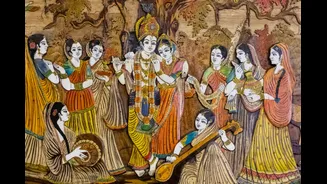
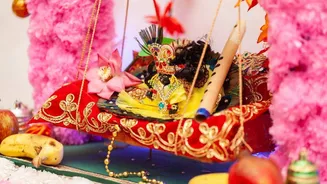
Janmashtami is more than just temple queues. The streets of Mathura and Vrindavan come alive with 'jhankis' (tableaus depicting Krishna's life), 'Raas Leela' performances (dramatic enactments of his stories), and devotional singing. In the days leading up to the main festival, you can witness the 'Jhulan Yatra' at temples like Banke Bihari, where deities are placed on beautifully decorated swings. Events like 'Dahi Handi,' where teams form human pyramids to break a pot of curd, add a burst of playful energy to the proceedings. Soaking in this vibrant atmosphere is as much a part of the experience as the temple darshan itself.