



The Strain of the Modern Desk Job
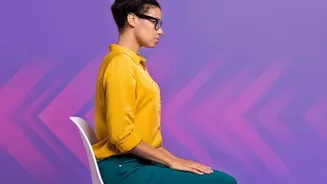
In today's fast-paced professional world, spending eight or more hours tethered to a desk is common. This prolonged sitting, often in less-than-ideal postures, wreaks havoc on our bodies. We slump over keyboards and crane our necks to look at screens,
leading to a condition commonly called 'tech neck'. This forward head posture can add significant strain to your cervical spine. Over time, this contributes to rounded shoulders, a weakened core, tight hip flexors, and persistent lower back pain. It's not just about discomfort; poor posture can impact circulation, energy levels, and even your mood. The body adapts to these static positions, creating muscular imbalances that can have long-term health consequences.
Enter Chair Yoga: Accessible Wellness
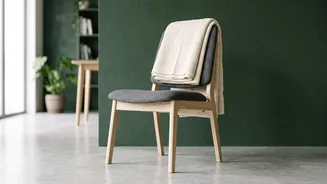
Chair yoga is a modified form of yoga that adapts traditional poses so they can be done while seated. Its greatest advantage is accessibility. You don't need a yoga mat, special clothing, or a large, empty room. All you need is your office chair, making it one of the most practical and easy ways to integrate movement into a busy workday. The chair provides stability and support, which helps reduce strain on muscles and joints, allowing you to focus on proper alignment and breathing. This makes it a safe and effective practice for nearly everyone, regardless of age, fitness level, or yoga experience.
How It Realigns Your Posture
Chair yoga directly counteracts the postural damage of sitting. Poses like seated twists and gentle backbends encourage spinal mobility and help realign the vertebrae. By strengthening the core and back muscles that support the spine, you are actively training your body to sit taller and maintain a more natural curve. Many poses focus on opening the chest and pulling the shoulders back and down, reversing the slump that comes from typing and screen time. This not only alleviates immediate tension in the neck and shoulders but also fosters better body awareness, helping you self-correct your posture throughout the day.
A Simple Routine to Start Today
Integrating chair yoga is about consistency, not intensity. Try these simple poses, holding each for 3-5 deep breaths. You can do them one at a time or as a short sequence during a five-minute break.
Seated Cat-Cow Stretch
This pose is excellent for spinal flexibility. Sit on the edge of your chair with your feet flat on the floor and hands on your knees. On an inhale, arch your back, lift your chest, and look up (Cow Pose). On an exhale, round your spine, tuck your chin to your chest, and draw your navel inwards (Cat Pose). Repeat this fluid movement five times to warm up your back.
Chair Eagle Arms
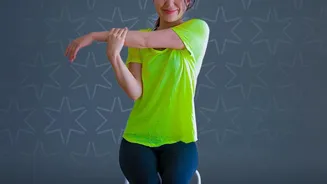
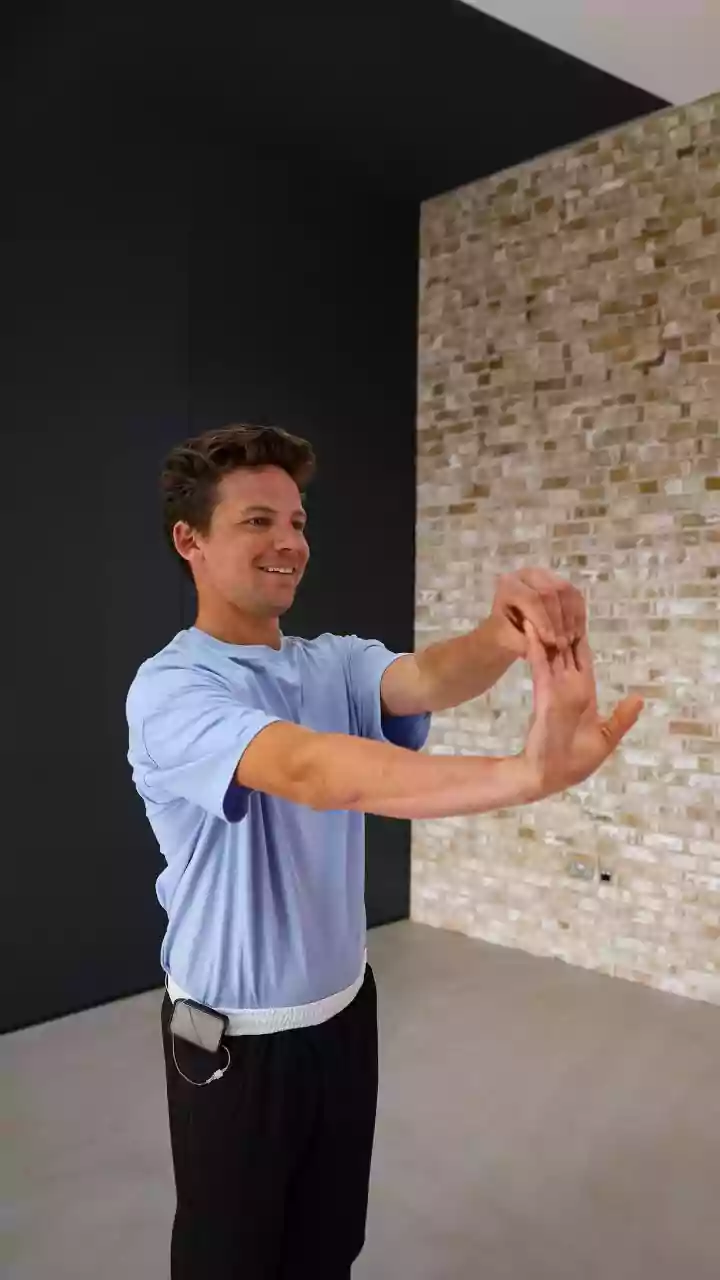
To release upper back and shoulder tension, extend your arms forward. Cross your right arm over your left, bend your elbows, and try to bring your palms together. Lift your elbows to shoulder height and gently press your forearms away from your face. You should feel a deep stretch between your shoulder blades. Hold for a few breaths, then switch sides.
Seated Spinal Twist
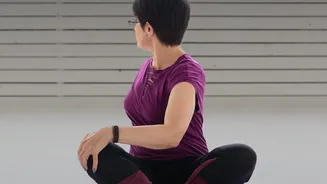
Twists are fantastic for relieving back tension and improving digestion. Sit tall and turn your torso to the right, using your right hand on the back of the chair for a gentle lever. Keep both hips grounded in the seat. This movement helps to gently massage the internal organs and increase mobility in your spine. Breathe here, then slowly unwind and repeat on the left side.
Seated Forward Fold
To release the lower back and stretch the hamstrings, sit on the edge of your seat. Hinge forward from your hips, keeping your back straight for as long as possible before allowing your spine to round. Let your head and arms hang heavy towards the floor. This simple pose helps decompress the spine and calm the nervous system. Roll back up to a seated position slowly, one vertebra at a time.