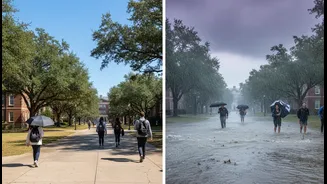









Assemble Your Monsoon Armour
Showing up to class looking like you swam there is not a good look. Your first line of defence is solid gear. Invest in a sturdy, wind-resistant umbrella and a full-length raincoat; a poncho is a great option as it can cover you and your backpack. Speaking
of which, a waterproof backpack or at least a rain cover for your existing one is non-negotiable to protect your laptop and notes. For footwear, ditch the sneakers that will get soggy and smelly. Opt for rubber sandals, floaters, or gumboots that dry quickly and offer a good grip on slippery surfaces. Keep a small, quick-dry towel in your bag for emergencies.
Master the Commute
Navigating waterlogged streets is an extreme sport. If you rely on public transport, leave earlier than usual to account for traffic jams and delays. Keep your phone in a waterproof pouch and your wallet and ID cards in a separate plastic folder. Try to avoid walking through puddles and stagnant water, as they are breeding grounds for diseases like dengue and malaria. It’s not just about staying dry but also staying safe from water-borne infections. If you do get your feet wet in dirty water, make sure to wash them thoroughly with soap as soon as you get home.
Keep Monsoon Illnesses at Bay
The rainy season often brings a spike in illnesses like the flu, stomach infections, and vector-borne diseases. Boost your immunity by eating healthy, home-cooked meals. It's best to avoid street food, especially raw or pre-cut items, which can be easily contaminated. Instead, opt for warm soups, steamed vegetables, and immunity-boosting foods rich in Vitamin C. Always drink boiled or filtered water and carry your own water bottle. Proper hygiene is critical: wash your hands frequently and take a bath if you get drenched in the rain to prevent fungal infections.
Don’t Let the Study Grind Stop
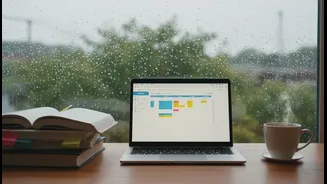
The gloomy weather can make you feel sleepy, and frequent power cuts are a student’s worst enemy. Be prepared for outages by keeping a rechargeable study lamp or LED lantern handy. Make sure your laptop and power bank are always fully charged. It's also a good idea to download important notes and lectures so you have offline access. If the power is out during the day, find a spot near a window to take advantage of natural light. Creating a study schedule that works around potential disruptions can help you stay on track with your assignments and exam prep.
Beat the Indoor Blues
Being stuck indoors can get boring, but it doesn’t have to be. Use this time to catch up on hobbies you’ve been neglecting. You can read a book, watch that series everyone is talking about, or learn a new skill online. Plan a movie marathon or a board game session with your roommates or family. If you're feeling isolated, schedule video calls with friends. A little indoor exercise, like yoga or a home workout, can also do wonders for your mood and help you stay active when you can't go out.