




Why Airflow is Your Best Friend
In the tight quarters of urban Indian apartments, we often focus on making a space look good, but we forget to consider how it feels. Stagnant, trapped air doesn't just make a room feel hotter; it can contribute to a host of issues. Poor ventilation can lead
to stuffiness, increased indoor pollutants, and even moisture buildup or mould, especially during monsoon season. Good airflow, on the other hand, is a game-changer. It helps regulate temperature naturally, flushes out stale air, reduces humidity, and can even lower your reliance on expensive air conditioning. Thinking of airflow as a fundamental utility, just like water or electricity, is the first step toward a more comfortable and healthier home.
Mastering Cross-Ventilation
The single most effective principle for natural cooling is cross-ventilation. This simply means creating a clear path for air to move through your home, entering from one side and exiting from another. In a typical flat, this pathway is between windows or a window and a balcony door on opposite walls. Even openings on adjacent walls can work. The challenge is that our furniture often stands directly in the way, acting like a dam that blocks this natural breeze. The goal is to identify your flat's primary air channels and then arrange your furniture to keep those channels as open as possible, transforming them into invisible highways for fresh air.
Avoid Blocking the Flow
The most common mistake is placing large, solid furniture directly against windows, balcony doors, or even internal doorways that are part of your ventilation path. A bulky sofa, a tall cabinet, or a heavy bookshelf can completely obstruct airflow. Before arranging a room, identify your key air inlets and outlets. Make it a rule to never place your largest furniture pieces where they will block these openings. Even pulling furniture a few inches away from the wall can make a surprising difference, allowing air to circulate behind it instead of being stopped dead. Think of creating clear pathways for air just as you would for walking.
Go Low and Leggy with Furniture
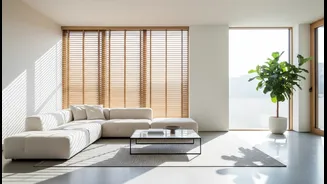
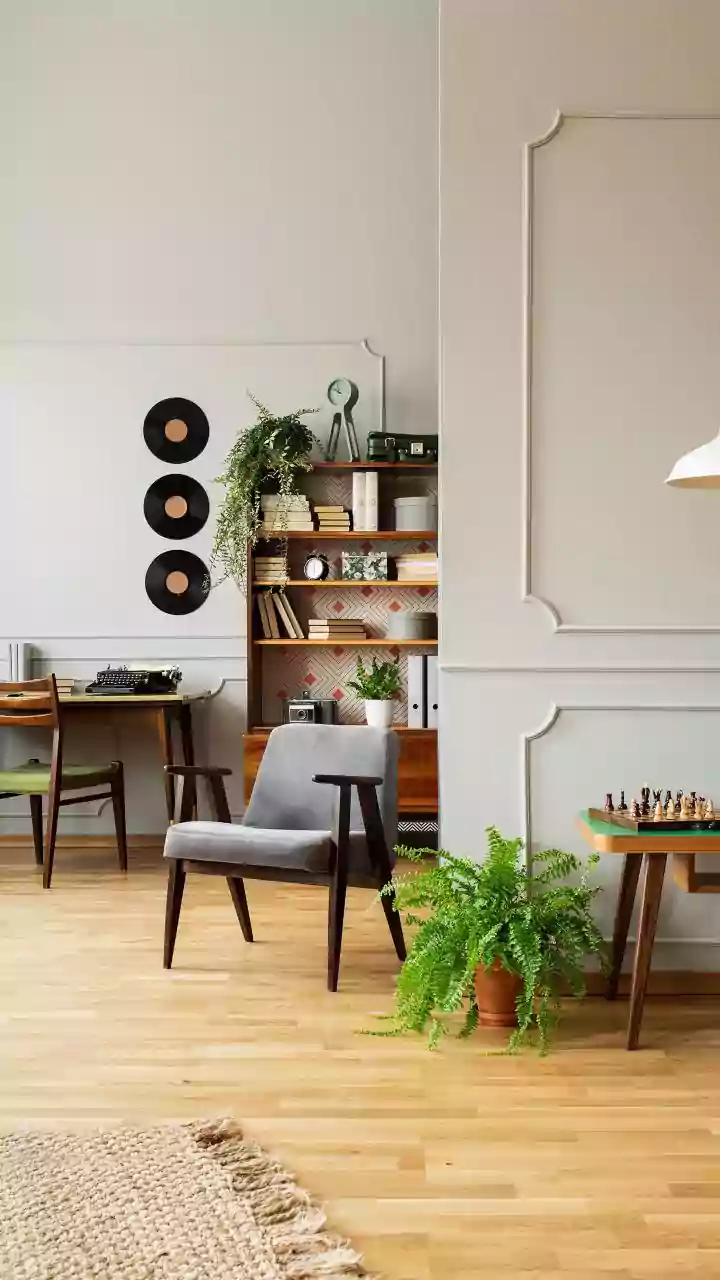
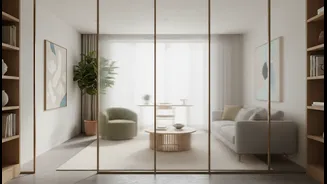
The profile of your furniture matters immensely. Heavy, solid pieces that sit flat on the floor not only block breezes but also trap heat. In contrast, furniture that is elevated on legs—often called 'leggy' furniture—is an airflow champion. Sofas, beds, and consoles on legs allow air to circulate freely underneath them, preventing pockets of stagnant, warm air from forming near the floor. Similarly, low-profile furniture, like low-back sofas or short media units, keeps the upper portion of the room open, allowing breezes to pass over them without obstruction. When choosing new pieces, consider their impact on air circulation as much as their style.
Use Furniture to Guide the Breeze
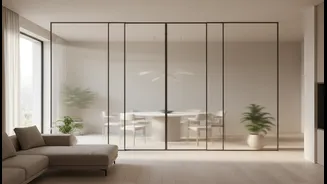
Instead of just getting furniture out of the way, you can use it strategically to guide and even accelerate airflow. Placing furniture parallel to the flow of air can create a channel, speeding up the breeze through a principle known as the Venturi effect, where air moves faster through a narrower space. For instance, a long bookshelf placed along a wall parallel to the cross-ventilation path can help direct the air more effectively through the room. You can also use open-backed shelving units or slatted room dividers, which create separation without completely blocking the flow of air, unlike a solid wall or a large cabinet.
Apply Principles Beyond the Living Room
These airflow principles are just as important in the bedroom for a comfortable night's sleep. Ensure your bed doesn't block the path between a window and a door. Opting for a bed frame with legs allows cool air to circulate underneath you. Keep wardrobes and dressers on walls that don't have windows or vents. In the kitchen, ensure that heat-generating appliances are not placed where they will warm up the incoming breeze. By applying this logic throughout your flat, you create a holistic system that works together to keep your entire home feeling fresher and more pleasant.