




Understanding Indian Wheat Flours
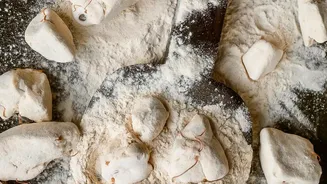
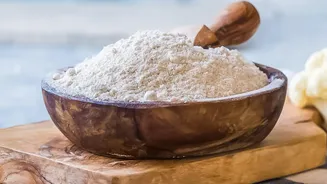
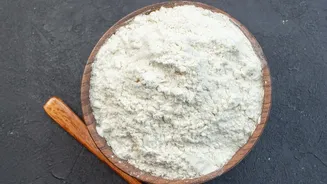
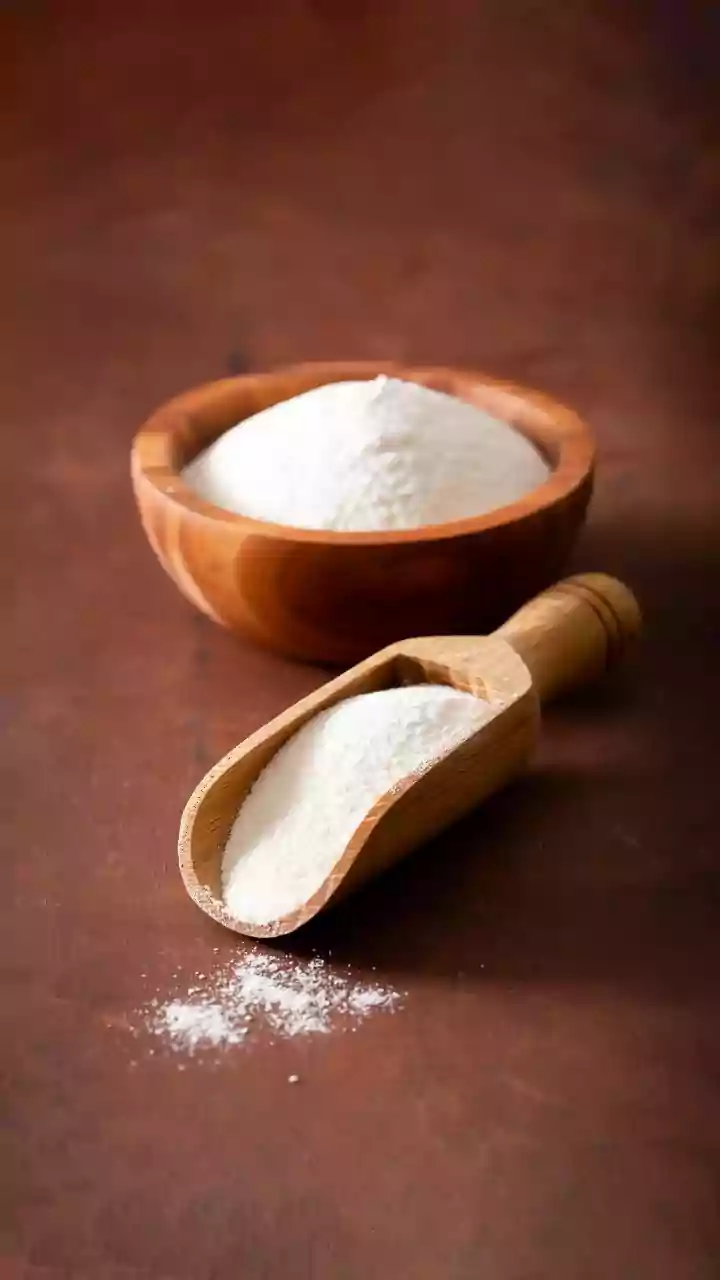
Before you begin, it's crucial to understand that not all flours are created equal. The whole wheat atta used for rotis is different from the flour typically used for sourdough in other parts of the world. Atta is traditionally stone-ground using a chakki,
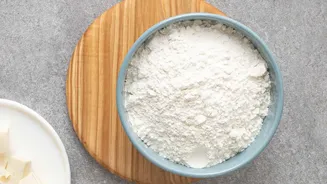
a process that grinds the entire wheat kernel slowly. This method retains the bran and germ, resulting in a flour that is highly nutritious, flavourful, and has a slightly coarser texture. It also absorbs more water. Maida, or all-purpose flour, is a refined wheat flour where the bran and germ have been removed. While whole wheat atta is generally recommended for starting a sourdough journey due to its rich nutrient profile that feeds wild yeast, a combination with maida can also be effective.
Creating Your Starter: A 7-Day Guide
Patience is the key ingredient here. Your goal is to cultivate the wild yeast and bacteria naturally present in the flour. You'll need a clean glass jar, a kitchen scale for accuracy, and filtered water, as the chlorine in tap water can inhibit yeast activity.Day 1: In your jar, combine 50 grams of whole wheat atta with 50 grams of lukewarm filtered water. Mix thoroughly until no dry flour remains, cover loosely (a coffee filter or a loose lid works well), and let it sit in a warm spot for 24 hours.Day 2: You may or may not see bubbles, which is normal. Discard about half of the mixture. To the remaining starter, add 50g of atta and 50g of water. Mix well, cover, and wait another 24 hours.Day 3: You should start to see more activity and notice a slightly tangy or fruity aroma. Repeat the process: discard half, then feed with 50g atta and 50g water.Day 4-6: From this point, you need to feed your starter twice a day, roughly 12 hours apart. Each time, discard all but about 50 grams of starter and feed it with 50g of atta and 50g of water (this is a 1:1:1 ratio). The mixture should become visibly bubbly and rise and fall predictably between feedings. The warmer your climate, the faster this will happen.Day 7: By now, your starter should be active, doubling in volume within 4-6 hours of feeding, and have a pleasant, sour smell. It is likely ready for baking.
Feeding and Maintaining Your Starter
Once your starter is established, you need to maintain it. If you bake frequently, you can keep it on your counter and continue the twice-daily feedings. If you bake less often, you can store it in the refrigerator. For fridge storage, feed the starter, let it sit at room temperature for an hour or two, and then place it in the fridge. You'll only need to feed it once a week. When you want to bake, take it out of the fridge, give it a couple of feedings at room temperature over 12-24 hours to wake it up fully. You can continue using 100% atta, or switch to a blend of 50% atta and 50% maida for a lighter texture in your final bakes.
Troubleshooting in the Indian Climate
India's warm and often humid climate can present unique challenges. Heat accelerates fermentation significantly. If your starter seems sluggish or flat, it's possible that it rose and collapsed before you checked it. To manage this, you can try a few things. First, use cooler water for feedings. Second, find the coolest spot in your home for your starter. Third, you can adjust the feeding ratio. Instead of 1:1:1, try a 1:2:2 or even a 1:4:4 ratio (starter:flour:water). A higher ratio gives the yeast more food, slowing down the fermentation process and giving you a larger window to use it at its peak. If you see a dark, alcoholic-smelling liquid (hooch) on top, it's a sign your starter is hungry. Just stir it back in or pour it off and feed your starter as usual. If you notice any mould (pink, orange, or fuzzy spots), you must discard the starter and begin again.
Is It Ready to Bake With?
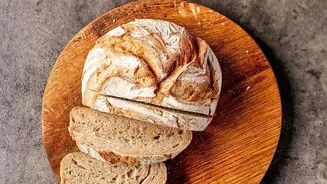
The ultimate test of a mature starter is its ability to leaven bread. A healthy, active starter will be full of bubbles and have a spongy texture. The most common way to check for readiness is the 'float test'. Drop a small spoonful of your active, recently-fed starter into a glass of water. If it floats, it is filled with carbon dioxide gas and is ready to be used in your dough. If it sinks, it needs another feeding or more time to mature. Over time, you'll learn your starter's unique rhythm and aromas, becoming more attuned to its cycles of rising and falling.