

The New Corner Office: A Mountain View
The post-pandemic work landscape has permanently shifted, with remote and hybrid models becoming the norm for many Indian professionals. This newfound flexibility has untethered them from urban centres, leading to an exodus not just from the office, but
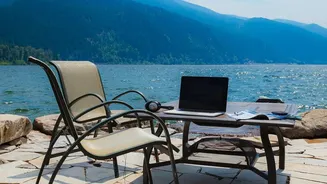
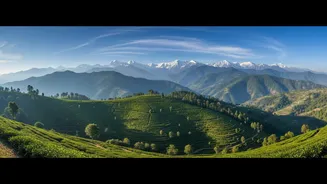
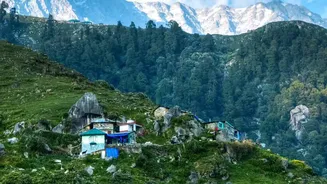
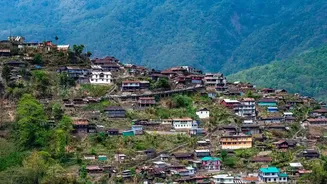
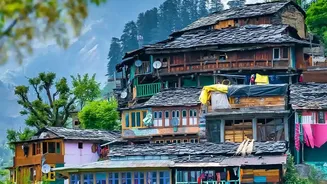
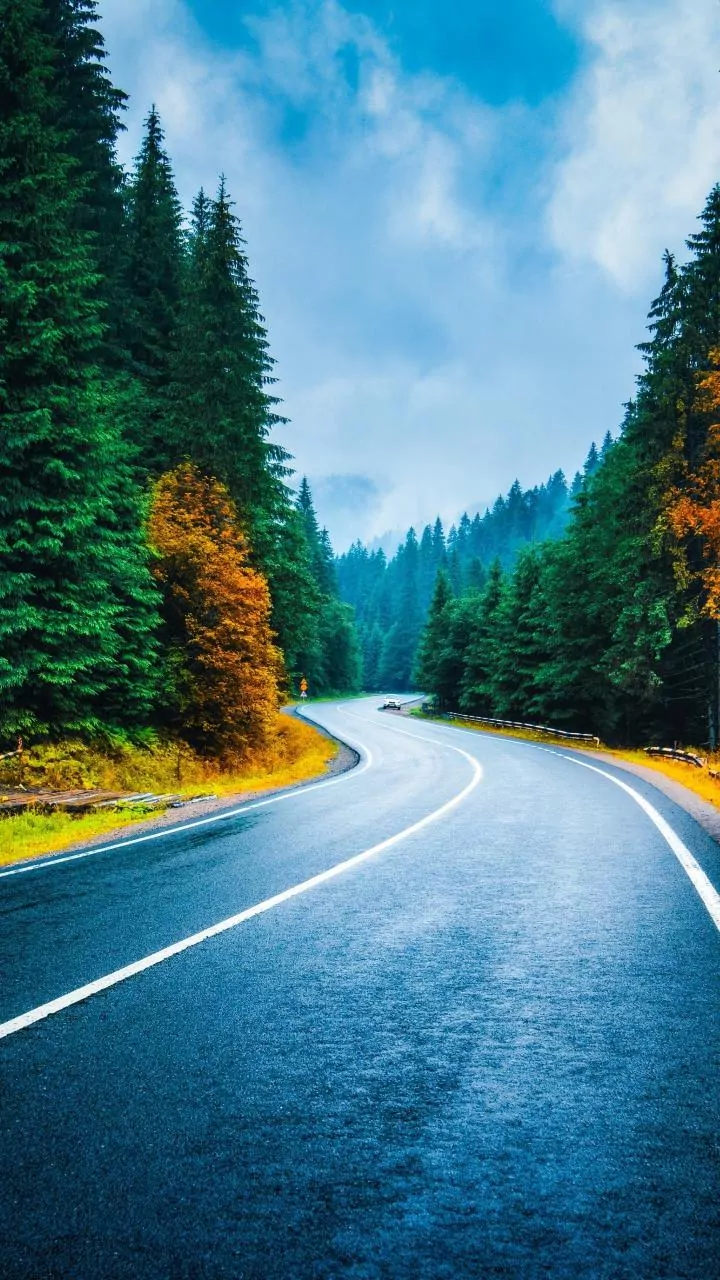
from the city itself. The destination of choice for many is the serene, pine-scented landscape of Himachal Pradesh. Villages in valleys like Tirthan, Kangra, and Sainj, once just dots on a trekker's map, are now buzzing with the quiet energy of coders, writers, and marketing managers. This isn't a vacation; it's a 'workation'—a lifestyle that blends productivity with the peace and quiet of the mountains.
Affordability Unlocks the Dream
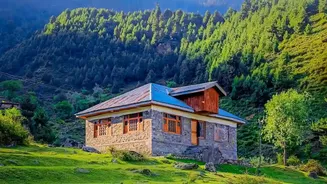
What makes this mountain migration possible is a simple economic equation: it's incredibly affordable. Homestay owners and local entrepreneurs have responded to the demand by creating all-inclusive monthly packages that are often cheaper than the cost of living in a metro city. For a monthly tariff ranging from ₹15,000 to ₹30,000 per person, a professional can get a comfortable room, home-cooked meals, and, most importantly, a reliable high-speed Wi-Fi connection. Some homestays offer self-cooking options for as low as ₹10,000-₹15,000 a month. When compared to the high rents, commuting costs, and daily expenses of urban life, a workation in Himachal becomes not a luxury, but a financially savvy choice.
A Lifeline for Local Economies
This trend has proven to be a significant economic driver for rural communities. Traditionally, tourism in Himachal has been seasonal, leading to unstable income for locals. However, the rise of long-stay workationers provides a steady, year-round revenue stream. This influx supports not just the homestay owners but creates a ripple effect, boosting business for local cafes, taxi drivers, and small shops. It's a more sustainable model of tourism that fosters a deeper connection between the visitors and the host community, moving beyond transient tourism to a more integrated, long-term relationship. Many homestays are family-run, meaning the money flows directly into the local economy.
The Daily Grind, Reimagined
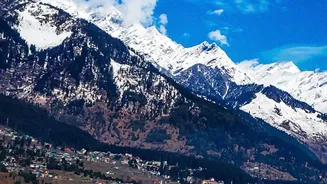
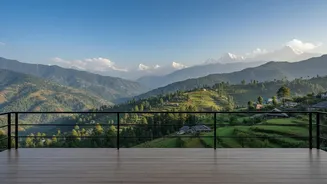
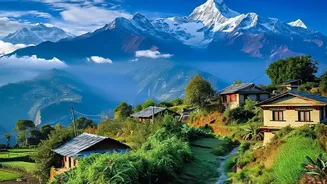
So, what does a typical workday look like? It might start with a cup of tea on a balcony overlooking the snow-capped Dhauladhar range. The workday is punctuated by the sounds of nature rather than traffic horns. Reliable fibre optic internet, now available in many formerly remote villages like Bir and Jibhi, ensures that work commitments are met without a hitch. After logging off, evenings are free for hikes along forest trails, exploring local monasteries, or simply enjoying the quietude. Weekends transform into mini-adventures, with opportunities for trekking, paragliding, or discovering hidden waterfalls. It’s a holistic approach to work-life balance that urban environments struggle to offer.