




Why Good Drainage is Crucial
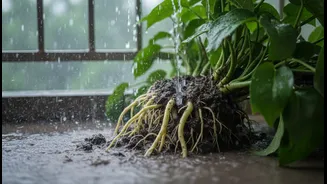
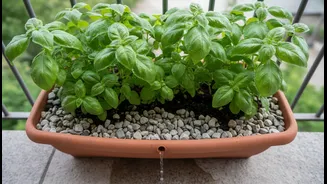
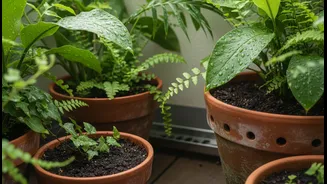
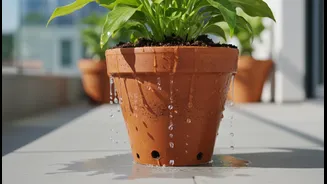
Before we get to the hacks, let’s understand the problem. When excess water has nowhere to go, it pools at the bottom of the pot, saturating the soil. This drowns the plant's roots, cutting off their oxygen supply. This leads to root rot, fungal growth,
yellowing leaves, and ultimately, a dead plant. On a balcony, poor drainage also means stained floors and potentially dripping water onto your neighbours below, a common issue for apartment gardeners.
Hack 1: Elevate Your Pots
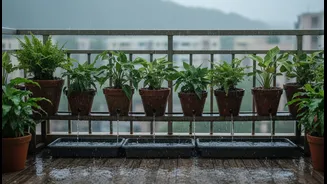
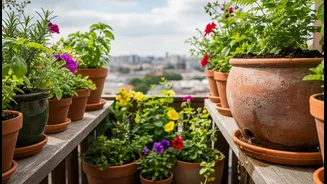
One of the simplest and most effective hacks is to lift your pots off the ground. When a pot sits flat on a hard surface, its drainage holes are easily blocked, and water can get trapped underneath. By elevating the pot, you allow air to circulate freely and ensure water can escape. You don’t need fancy pot feet; get creative with affordable alternatives like bottle caps, flat stones, or even recycled plastic pieces to create a small gap. This tiny lift makes a huge difference.
Hack 2: The Double-Potting Method
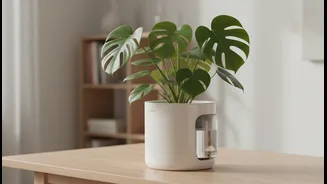
Fallen in love with a beautiful decorative pot that has no drainage holes? Don't despair. Use it as a 'cachepot'—a decorative outer container. Keep your plant in its simple plastic nursery pot (which has plenty of holes) and place it inside the prettier one. After watering, let the nursery pot drain completely in a sink or bucket before placing it back. This gives you the best of both worlds: great aesthetics and perfect drainage.
Hack 3: Amend Your Soil Mix
Sometimes the problem isn't the pot, but the soil itself. Heavy garden soil becomes compacted in pots and holds too much water. Always use a potting mix specifically designed for containers. To further boost drainage, create your own custom blend. Mixing in materials like perlite, coco coir (shredded coconut husks), or coarse sand makes the soil lighter and more porous, allowing water to flow through more easily. This prevents the soil from becoming a dense, waterlogged brick.
Hack 4: Rethink the Bottom Layer
For years, the common wisdom was to add a layer of gravel or broken pot pieces to the bottom of planters. However, studies and experts now suggest this can actually worsen drainage by creating a 'perched water table' where water sits on top of the gravel layer. Instead of rocks, consider lightweight fillers for very large pots, such as empty plastic bottles (with caps on) or polystyrene packing peanuts. These materials reduce the amount of soil needed, make the pot lighter, and won't impede drainage as a dense layer of gravel might. To prevent soil from washing out, you can place a coffee filter or a piece of newspaper over the drainage holes before adding soil.
Hack 5: The DIY Drilling Option
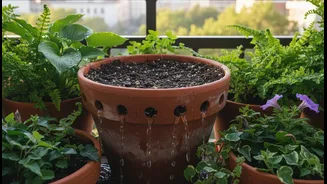
If a pot simply must have a hole, you can often make one yourself. For plastic pots, a standard drill bit or even a heated nail can work. For ceramic or terracotta pots, it’s a bit trickier but doable. You'll need a special masonry or diamond-tipped drill bit. The key is to go slowly, apply steady pressure, and keep the area wet with a spray bottle to prevent the bit from overheating and the pot from cracking. While it requires a specific tool, learning to add your own drainage holes opens up a world of container possibilities.