



Understanding the Ladakh Night
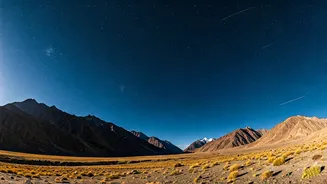
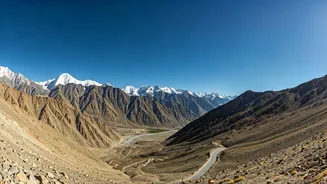
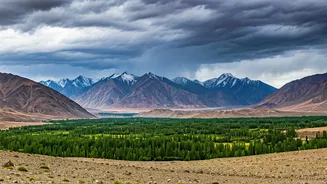
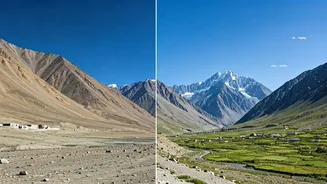
Ladakh is a high-altitude cold desert, and this unique geography dictates its climate. Even during the peak tourist season of summer (June to August), when daytime temperatures can be a pleasant 20-25°C, the nights are a different story. Once the sun
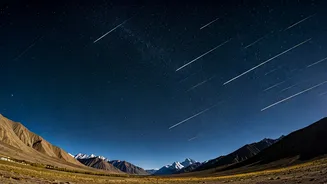
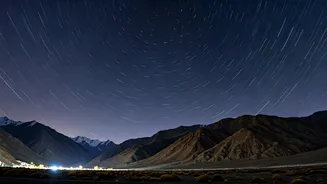
disappears, temperatures can plummet dramatically, often falling below freezing, especially at popular stargazing spots like Pangong Lake and Tso Moriri which are above 14,000 feet. The thin, dry air at this altitude doesn't retain heat, leading to a rapid drop in temperature. This extreme cold is the single biggest challenge you need to prepare for. Without the right gear, you won't be able to stay outside for long, missing the best part of the celestial show which often happens after midnight.
The Golden Rule: Layering Your Clothing
The most effective way to combat Ladakh's cold is not by wearing one bulky jacket, but by dressing in multiple layers. This approach allows you to trap air between the layers, creating insulation, and gives you the flexibility to add or remove clothing as conditions change. A three-layer system is considered ideal. Start with a moisture-wicking base layer, such as thermal underwear made from merino wool or a synthetic blend; avoid cotton as it retains sweat and will make you feel cold. The second layer is your insulating mid-layer, which should be a fleece jacket or a light woollen sweater. The final, and most critical, is the outer layer: a windproof and preferably waterproof or down-filled parka or heavy jacket. This shell protects you from the biting winds that are common at high altitudes.
Protecting Your Head, Hands, and Feet
Your extremities are the first to feel the cold and are most vulnerable to the effects of dropping temperatures. A significant amount of body heat is lost through your head, so a warm woollen cap or beanie is non-negotiable. For maximum protection, a balaclava or monkey cap that covers your face and neck is even better, especially during the colder months. Insulated, windproof gloves are essential to keep your hands warm, particularly if you're operating a camera. For your feet, choose thick woollen socks over cotton ones. It's a good idea to wear a pair of sturdy, comfortable, and preferably insulated trekking shoes that will keep your feet warm and provide good grip on uneven terrain in the dark.
Beyond Clothing: Comfort and Safety Essentials
A few extra items can make a huge difference in your comfort. A flask of a hot beverage like tea or soup can be a welcome source of warmth in the middle of a cold night. Packing a small, portable seat or an insulated mat will save you from having to sit on the cold, hard ground. One of the most important tools for a stargazer is a headlamp, but make sure it has a red-light mode. White light ruins your night vision, which takes about 20-30 minutes to fully adapt to the dark, whereas red light allows you to see your immediate surroundings without compromising your view of the stars.
Gear for the Aspiring Astrophotographer
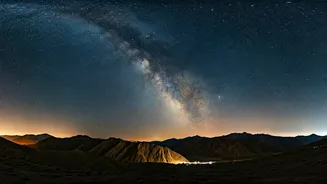
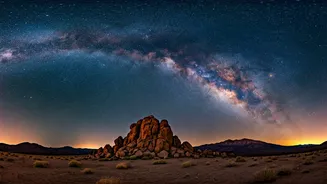
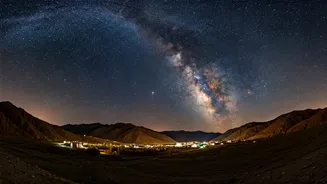
Ladakh's clear, dark skies are a dream for astrophotography. If you plan to capture the Milky Way, a sturdy tripod is non-negotiable to keep your camera steady for long exposures. You'll also need a DSLR or mirrorless camera with a wide-angle lens. The most crucial thing to remember is that cold weather drains batteries exceptionally fast. Always carry fully charged spare batteries and keep them in a warm pocket inside your jacket to preserve their power. Stargazing apps like SkyView or Stellarium can help you identify constellations and plan your shots.
Health at High Altitude
Finally, remember that stargazing in Ladakh happens at very high altitudes, often above 11,000 feet. The risk of Acute Mountain Sickness (AMS) is real and can include symptoms like headaches, nausea, and shortness of breath. The most important preventive measure is acclimatization. Plan to spend at least one to two full days resting in Leh (around 11,500 feet) before ascending to higher altitudes like Pangong Lake. Stay well-hydrated by drinking 3-4 litres of water daily, avoid alcohol, and keep your movements slow and deliberate for the first few days. It's also wise to carry a basic medical kit, and consult a doctor about preventative medication like Diamox before your trip.