

The Rise of a Humble Grain
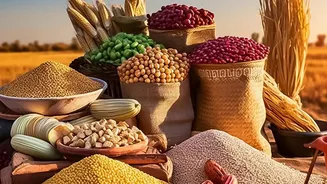
There's no denying the impressive resume of millets like jowar, bajra, and ragi. They are nutritional powerhouses, often outperforming refined white rice and wheat flour. Millets generally contain more fibre, protein, and essential minerals like iron
and calcium. For instance, finger millet (ragi) is famously rich in calcium, providing multiples of what rice or wheat offer. Their lower glycaemic index is a significant advantage for managing blood sugar levels, and their high fibre content aids digestion and promotes a feeling of fullness, which can help with weight management. Being naturally gluten-free, they are also a blessing for those with celiac disease or gluten sensitivity. This strong nutritional profile is a key reason why they have been catapulted into the health spotlight.
The Case for Keeping Your Rice and Wheat
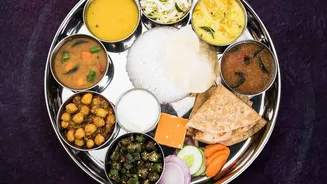
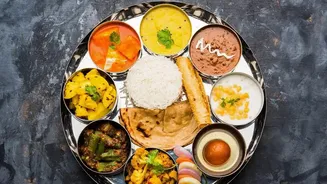
While the benefits of millets are clear, it doesn't mean other grains are villains. Traditional Indian diets have long been built on a principle of balance and variety. White rice, for example, is easy to digest and provides quick energy. Whole wheat is a fantastic source of energy, protein, and fibre. The idea isn't to create a nutritional hierarchy where one grain must vanquish all others. The traditional Indian 'thali' is a perfect example of this philosophy. It's a balanced plate that combines a primary grain (like rice or roti) with lentils (dal), vegetables (sabzi), yoghurt (dahi), and more, ensuring a mix of macro and micronutrients in one meal. Each grain brings something different to the table, and eliminating some in favour of one 'superfood' can unintentionally narrow your nutritional intake.
Too Much of a Good Thing?
Going all-in on millets can have some surprising downsides. The very high fibre content, while beneficial, can cause digestive issues like bloating, gas, or constipation if your system isn't used to it, especially without adequate water intake. Moreover, some millets contain 'anti-nutrients' like phytates, which can bind to minerals such as iron and zinc, potentially reducing their absorption. This is generally not a concern in a varied diet but can become an issue if millets are the sole dietary staple. The most discussed concern involves goitrogens, compounds found in some millets, particularly pearl millet (bajra). These can interfere with thyroid function, but this risk is mainly for those with pre-existing thyroid conditions or iodine deficiency and when millets are consumed in very large quantities. Thankfully, cooking significantly reduces the activity of these compounds.
Finding Your Grain Balance
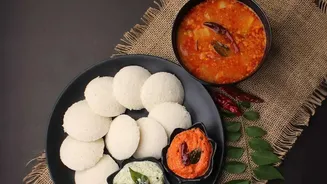
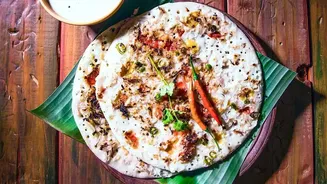
The smartest approach is integration, not replacement. You don't have to choose between a bajra roti and a wheat chapati forever. Enjoy both. Start by incorporating millets into your diet gradually to allow your digestive system to adapt. Try having one millet-based meal a day—perhaps a jowar roti for lunch or a foxtail millet pulao for dinner. You can make millet idlis, dosas, or upma for breakfast. Another easy trick is to mix millet flour with your regular whole wheat atta to make rotis. This boosts the nutritional value of your chapati without a drastic change in taste or texture. The goal is dietary diversity. Rotating through different grains—including various millets, whole wheat, and different types of rice—ensures you get a broader spectrum of nutrients.