






1. The Deal Is Too Good To Be True
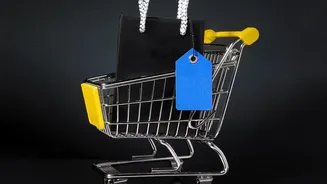
Everyone loves a bargain, but scammers prey on this excitement. If you see a brand-new smartphone for 80% off or a luxury item at a fraction of its market price, you should be suspicious. These unbelievable offers are a classic tactic used to lure shoppers
into fraudulent websites. Scammers know that the fear of missing out on a flash sale can cause people to overlook obvious red flags. While festive sales do bring genuine discounts, offers that seem impossibly generous are almost always a setup to steal your money or payment information.
2. The Website URL Looks Suspicious
Always inspect the website's address in your browser bar. Scammers often create sites that mimic legitimate retailers by using slightly altered URLs. Look for common tricks like deliberate misspellings (e.g., 'Flipcart' instead of 'Flipkart'), extra hyphens, or unusual domain extensions like '.net' or '.shop' instead of the expected '.com' or '.in'. Another crucial check is for 'https://' at the start of the URL, indicated by a padlock icon. While many scam sites now use this to appear legitimate, the absence of a padlock is a definite warning sign that the connection is not secure.
3. The Website Is Poorly Designed
Legitimate companies invest in creating a professional, user-friendly online store. A scam website, on the other hand, often looks rushed and unprofessional. Watch out for low-quality or stolen product images, spelling mistakes, and awkward grammar. Sentences that are readable but feel unnatural can be a sign that the text was created with poor translation tools. Broken links, slow loading pages, and clumsy navigation are other indicators that you may be on a fraudulent site built to disappear quickly.
4. Unusual or Limited Payment Methods
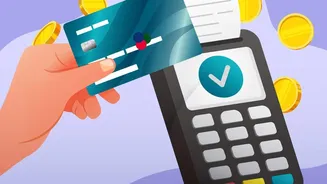
Be extremely cautious if a website restricts your payment options. Reputable online stores offer secure methods like credit cards, official payment gateways, and Cash on Delivery. Scammers, however, often demand payment through methods that are difficult to trace and impossible to reverse. Red flags include insisting on direct bank transfers, wire transfers, cryptocurrency, or gift cards. In India, a common tactic is asking for a UPI payment to a personal number instead of a verified merchant account. Another trick involves sending a fake UPI 'collect request,' which tricks you into sending money instead of receiving it. Remember, you never need to enter your UPI PIN to receive money.
5. High-Pressure Sales Tactics
Fraudulent websites often create a false sense of urgency to rush you into making a decision. You might see aggressive countdown timers, claims like "Only 2 left in stock!" on every item, or pop-ups that pressure you to buy immediately. This is a psychological trick designed to make you act on emotion rather than logic, preventing you from taking the time to verify the seller's legitimacy. Legitimate retailers may use similar marketing, but scam sites tend to overdo it to an extreme degree. If you feel cornered into making a purchase, it's best to pause and investigate further.
6. No Contact Information or Vague Policies
A trustworthy business makes it easy for you to contact them. Check for a clear 'About Us' page, a physical address, a working customer service phone number, and a professional email address. Scam sites often have no contact details at all or provide only a generic web form. Similarly, their return and privacy policies may be missing, copied from another site with grammatical errors, or intentionally vague. If you can't find clear information on how to return a product or contact support, it's a strong sign the seller has no intention of helping you after they have your money.
7. Fake or Non-Existent Customer Reviews
Reviews can offer insight into a seller's reputation, but scammers have learned to fake them. Be wary of sites that have no reviews at all, or only a handful of overly generic, five-star ratings that were all posted around the same time. A quick search for the store's name along with terms like "scam" or "complaint" can often reveal experiences from other shoppers. Also, check for a social media presence. While a new profile isn't automatically a red flag, a complete lack of social media or a page with very few followers and no genuine engagement can be a sign of a fraudulent operation.